



What's Happening?
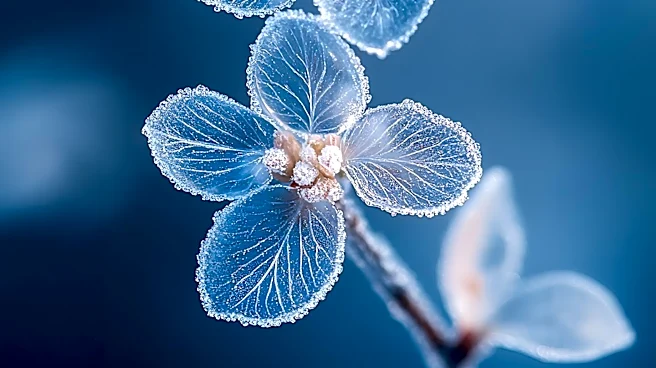
As temperatures drop and winter approaches, gardeners are being advised on crucial steps to protect container plants from frost damage. Unlike plants in the ground, potted plants lack the insulating warmth of surrounding soil, making them particularly
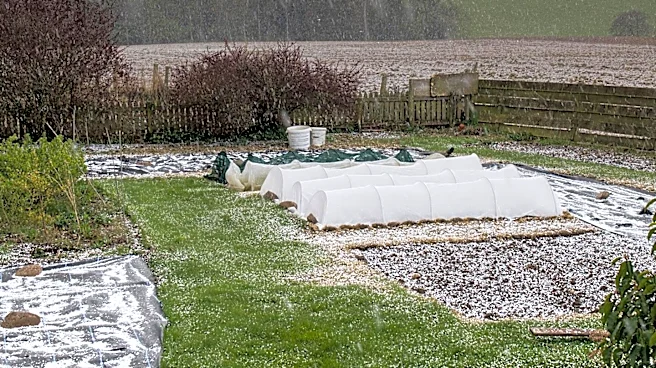
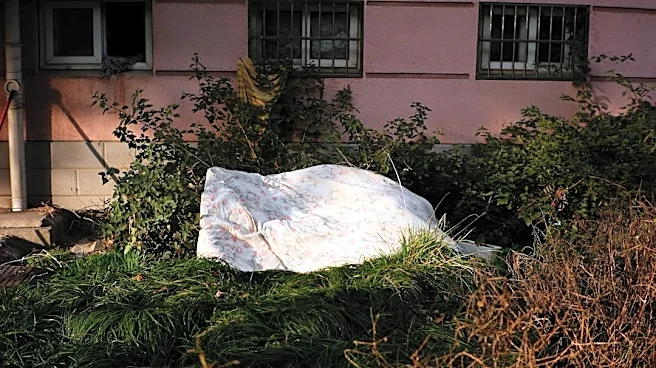
vulnerable to cold. Experts recommend several strategies, including bringing lighter pots indoors to garages, sheds, or basements. For heavier or numerous containers, grouping them closely together in a sunny spot and wrapping them with insulating materials like sheets, plastic, burlap, or cardboard is suggested. It's also advised to add a layer of mulch to the soil surface in containers that must remain outdoors to help insulate roots. Additionally, proper watering before a light freeze can help soil retain heat and prevent damage, according to horticulture experts at Mississippi State University’s extension. Removing plastic coverings in the morning is critical to prevent heat trapping, which can harm plants. These measures are essential for ensuring the survival of container plants through colder months.
Why It's Important?
The proper protection of container plants during winter is vital for home gardeners and the broader horticultural community. Without adequate measures, plants can suffer irreversible frost damage, leading to significant financial losses for individuals who invest in ornamental or edible container gardens. For nurseries and garden centers, providing clear guidance on winter plant care can enhance customer satisfaction and reduce post-purchase plant mortality, fostering repeat business. Environmentally, preserving existing plants reduces the need for replacements, contributing to sustainable gardening practices. Furthermore, successful overwintering of plants allows for earlier spring growth and continued enjoyment of greenery, which can have positive impacts on mental well-being and local aesthetics. The advice also highlights the importance of understanding plant physiology and local climate conditions to adapt care strategies effectively, promoting a more informed gardening public.
What's Next?
Gardeners are encouraged to assess their container plants and local weather forecasts immediately to implement protective measures before the first hard freeze. Upcoming events, such as a 'Container Gardening for Holidays' workshop scheduled for November 3, will likely offer further practical advice and demonstrations on winterizing plants and preparing for seasonal displays. As winter progresses, ongoing monitoring of plant health and weather conditions will be necessary, with adjustments to coverings and watering schedules as needed. Horticultural extension services and gardening clubs will continue to disseminate information and host workshops to support gardeners through the colder months. The focus will shift from immediate protection to sustained care, ensuring plants remain viable until spring, when they can be reintroduced to warmer conditions or replanted.
Beyond the Headlines
The emphasis on winterizing container plants reflects a broader trend in urban and small-space gardening, where containers are increasingly popular. This practice allows individuals in apartments or homes with limited yard space to engage in gardening, contributing to urban greening and local food movements. The need for specific winter care also underscores the challenges of adapting traditional gardening practices to container environments, which require more active management of soil temperature and moisture. This highlights a growing market for specialized gardening products, such as insulating pot covers and frost-resistant containers. Furthermore, the advice promotes a deeper connection between gardeners and their local ecosystems, encouraging observation of microclimates and seasonal changes. It also subtly advocates for resourcefulness, utilizing common household items like old sheets and cardboard for plant protection, aligning with principles of sustainability and waste reduction in gardening.