





What's Happening?
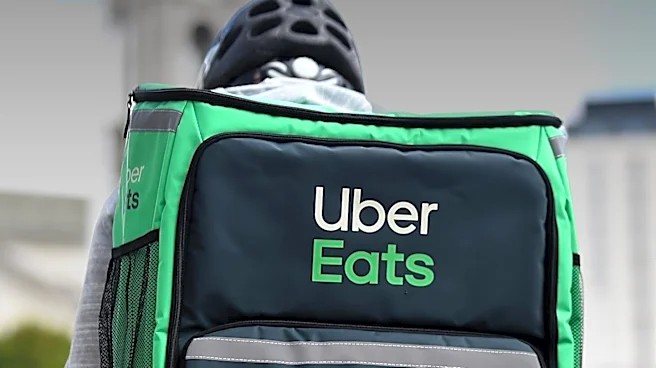
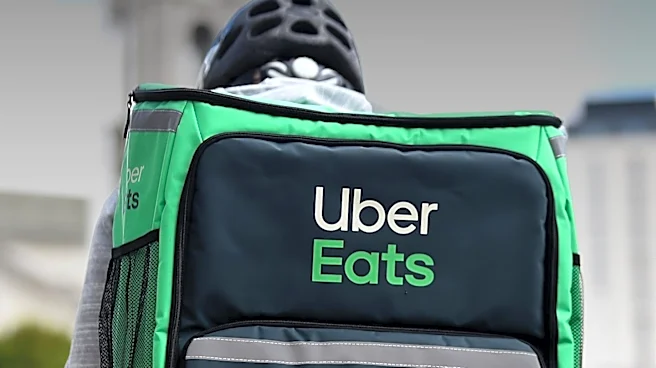
Uber CEO Dara Khosrowshahi recently disclosed that nearly 50% of Uber's gross bookings, encompassing both ride-sharing and other services, originate from Uber One subscribers. These subscribers pay a monthly fee of $9.99 in exchange for benefits such
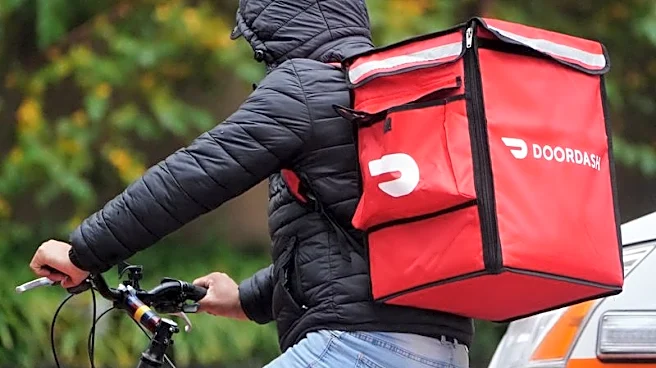
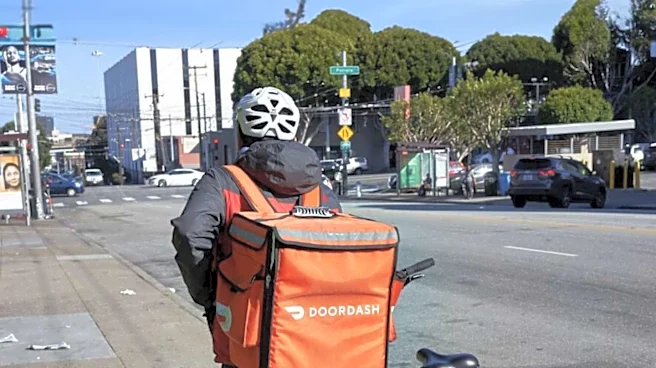
as free delivery and discounts. This revelation underscores the effectiveness of subscription models in fostering customer loyalty within the third-party delivery and ride-sharing sectors. The broader landscape of third-party delivery is experiencing increased competition, with new entrants like Walmart, Olo, Bites, and Google entering the restaurant delivery market, offering more affordable options. Despite these challengers, dominant players like DoorDash and Uber Eats continue to maintain significant market share, with DoorDash leading in brand consideration and both companies showing substantial year-over-year growth in gross order volume and bookings, respectively. The strategy of offering subscription perks is a key factor in retaining customers amidst rising delivery prices and expanding service offerings beyond just restaurant food.
Why It's Important?
The high percentage of gross bookings from Uber One subscribers highlights the critical role of loyalty programs in the competitive third-party delivery and ride-sharing industries. This strategy allows companies like Uber to secure a consistent revenue stream and maintain customer engagement, even as new competitors emerge. For consumers, these subscription models offer perceived value through discounts and free deliveries, potentially offsetting concerns about overall delivery costs. For the industry, it signifies a shift towards a more entrenched ecosystem where loyalty programs are essential for market dominance. This trend could lead to further consolidation, as smaller players may struggle to compete with the extensive benefits offered by established subscription services. The focus on subscriber loyalty also indicates that the battle for market share is not just about acquiring new customers but also about retaining existing ones through value-added services, making it harder for new entrants to disrupt the market simply by offering lower prices.
What's Next?
The emphasis on subscriber loyalty suggests that Uber and other major third-party delivery platforms will likely continue to invest heavily in and expand their subscription programs. This could involve offering more exclusive perks, integrating additional services, or exploring tiered membership options to cater to different customer segments. As competition intensifies, these loyalty programs will become even more crucial for retaining market share and driving consistent revenue. New entrants to the delivery market will face the challenge of developing compelling loyalty strategies to attract and retain customers who are already entrenched in existing subscription ecosystems. The ongoing evolution of these programs will shape consumer behavior and influence the long-term sustainability and profitability of companies in the gig economy, potentially leading to a landscape where subscription-based models are the norm rather than the exception for frequent users.
Beyond the Headlines
The success of subscription models like Uber One points to a broader psychological and economic shift in consumer behavior. In an era of increasing digital services, consumers are becoming accustomed to paying a recurring fee for convenience and perceived value, even if the cumulative cost might be higher than individual transactions. This 'subscription fatigue' could eventually set in, but for now, it allows companies to create a sticky customer base and predict revenue more reliably. Ethically, it raises questions about accessibility for those who cannot afford subscription fees, potentially creating a two-tiered service system where premium users receive better service or lower costs. Economically, it reinforces the power of network effects and scale, making it increasingly difficult for smaller businesses or startups to compete without significant capital to invest in similar loyalty-building initiatives. This trend could further entrench the dominance of a few large players in the gig economy, shaping the future of urban logistics and consumer spending habits.