





What's Happening?
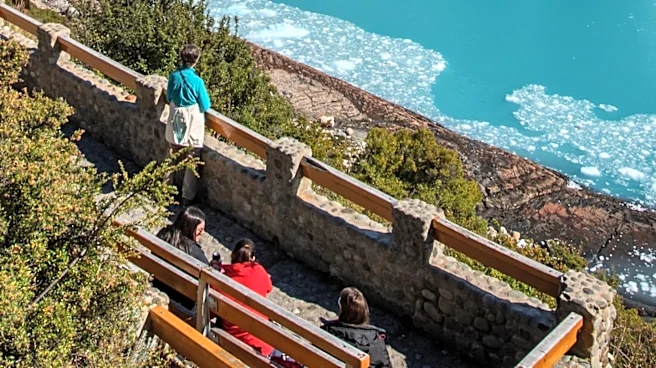
Patagonia, a region in Argentina, is offering accessible travel options for senior travelers, particularly for viewing the Perito Moreno Glacier. The region provides a walkway circuit with wide boardwalks, ramps, and accessible viewing platforms, allowing
visitors to experience spectacular glacier views without needing to walk directly on the ice. This contrasts with more physically demanding excursions like 'Mini Trekking' or 'Big Ice,' which involve boat crossings, crampons, and walking on the glacier itself, and have strict upper age limits (65 for Mini Trekking and 50 for Big Ice) along with additional health restrictions. The distinction between these experiences is crucial as they are often marketed under similar names. The company emphasizes that while the weather in Patagonia can be variable, the accessibility of the walkway circuit makes it a suitable option for many senior travelers.
Why It's Important?
This initiative is important for the tourism industry, particularly for senior travel, as it broadens the demographic that can experience natural wonders like the Perito Moreno Glacier. By providing accessible options, Patagonia is catering to a growing segment of the population that seeks comfortable and less physically strenuous travel experiences. This approach can lead to increased tourism revenue from senior travelers, who often have more disposable income and time for travel. It also highlights a shift in the travel industry towards more inclusive offerings, recognizing diverse physical capabilities. For senior travelers, it means the opportunity to engage with breathtaking natural landscapes that might otherwise be inaccessible due to physical limitations, promoting active and fulfilling lifestyles in retirement.
What's Next?
The success of these accessible tours in Patagonia could encourage other tourist destinations, both within Argentina and globally, to develop similar inclusive travel options. Tour operators may further refine their offerings to cater to specific needs of senior travelers, such as providing more detailed information on physical demands, offering specialized guides, and ensuring accessible transportation. There could also be an increase in demand for customized tours that allow for flexible pacing and incorporate rest stops, as highlighted by the source. This trend could lead to a more diverse and accommodating global tourism landscape, benefiting a wider range of travelers and potentially boosting local economies through increased visitation.
Beyond the Headlines
The focus on accessible tourism in Patagonia reflects a broader societal recognition of the importance of inclusivity and the value of experiences for all age groups. Beyond the economic benefits, providing accessible options for natural attractions can contribute to mental and physical well-being for seniors, allowing them to maintain an active engagement with the world. It also raises ethical considerations for the tourism industry to ensure that marketing accurately represents the physical demands of tours, preventing mismatches between traveler expectations and actual experiences. This move towards transparency and tailored experiences could foster greater trust between travelers and tour providers, ultimately enhancing the overall travel experience for a diverse clientele.