






What's Happening?
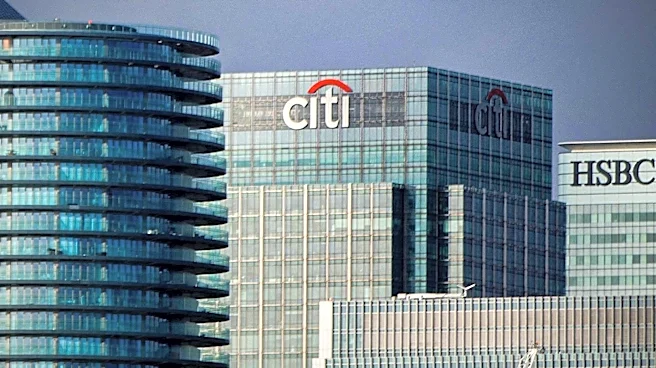
Citigroup has removed at least two managing directors responsible for regulatory financial reporting in its London operations. This action follows a significant understatement of risk-weighted assets (RWA) by approximately $35 billion at a major U.K.
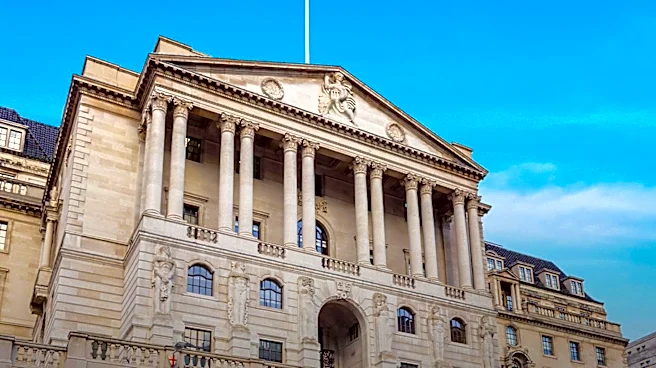
subsidiary. The error, identified as an 'internal capital modeling issue,' arose from the unauthorized application of a proprietary capital model to a European trading desk without the necessary approval from the Bank of England. This miscalculation led to an understatement of the subsidiary's RWA by about 20% of its reported total. Citigroup injected approximately $3 billion into the unit after an employee flagged the discrepancy. The bank has stated that it has completed remedial measures, restored the subsidiary's capital buffers, and that the unit never fell below minimum regulatory capital requirements. The issue reportedly had no impact on Citigroup's overall capital levels or financial performance. The bank has initiated an internal investigation and discussed the matter with Federal Reserve officials.
Why It's Important?
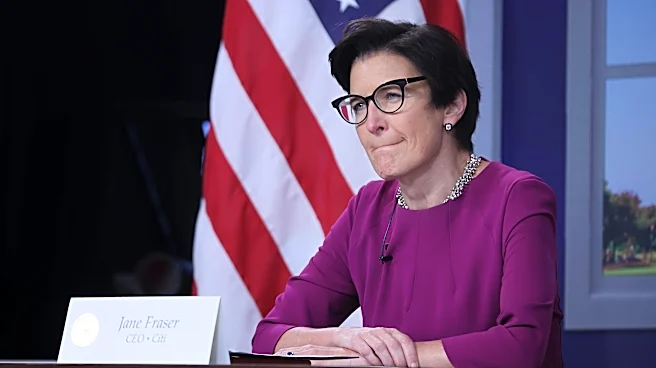
This incident represents a significant setback for Citigroup CEO Jane Fraser's ongoing efforts to strengthen internal controls and address long-standing operational issues. Citigroup has been under scrutiny from U.S. regulators, including the Federal Reserve and the Office of the Comptroller of the Currency (OCC), due to consent orders issued in 2020 concerning risk management and data governance. The bank was fined $136 million in 2024 for insufficient progress in rectifying these internal control deficiencies. Such missteps, even if not catastrophic, can complicate the bank's ability to demonstrate 'sustained effectiveness' in its remediation efforts, potentially delaying its exit from regulatory penalties. The turnover in key leadership roles, including the departure of the U.K. unit's chief risk officer, highlights the seriousness with which the bank is addressing the control failures and the pressure to meet regulatory expectations.
What's Next?
Citigroup will likely face continued intense scrutiny from both U.S. and U.K. financial regulators regarding its internal controls and risk management frameworks. The bank's ongoing efforts to exit the 2020 U.S. consent orders will be closely watched, and any further operational lapses could lead to additional penalties or extended remediation periods. The relocation of Citigroup's chief risk officer, Zdenek Turek, to London underscores the bank's commitment to directly addressing the reporting problems in its U.K. operations. While Citigroup asserts that the issue had no impact on its overall financial performance, the incident could influence investor confidence and potentially lead to more stringent oversight requirements from regulatory bodies, impacting the bank's operational flexibility and cost of compliance in the future.
Beyond the Headlines
This event highlights the persistent challenges large, complex financial institutions face in maintaining robust internal controls across their global operations, especially when dealing with intricate capital modeling and diverse regulatory environments. The reliance on internal models for risk-weighted asset calculations, while often efficient, carries inherent risks if not properly validated and approved by regulators. The incident also underscores the critical role of internal whistleblowers in identifying and escalating significant financial discrepancies. For Citigroup, this misstep adds to a history of operational control failures, including a notable incident in 2020 where the bank accidentally wired $900 million. These recurring issues raise broader questions about the effectiveness of the bank's corporate culture in fostering a strong control environment and its ability to implement lasting systemic changes required by regulators.