








What's Happening?
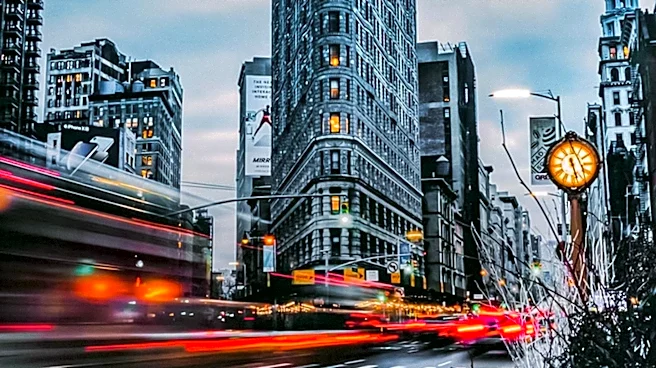
New York City's iconic Flatiron Building has officially opened its doors to residents for the first time in its 124-year history, following a comprehensive residential conversion. The landmark, located at the intersection of Fifth Avenue, Broadway, and 23rd
Street, has been transformed from its former commercial use into 36 ultra-luxury condominium units. The project was spearheaded by The Brodsky Organization and Sorgente Group. Originally completed in 1902 and designed by Daniel Burnham, the steel-framed building was initially known as the Fuller Building and served strictly commercial purposes for over a century, housing various businesses including Macmillan Publishers until 2019. The conversion involved a multi-year restoration that meticulously preserved the structure's historical integrity, including hand-replicating terra-cotta fixtures, upgrading windows, and restoring the iconic cornice. Residences, which include three- and four-bedroom units, start at $14.85 million, with a full-floor unit listed for $53.5 million.
Why It's Important?
The residential conversion of the Flatiron Building marks a significant moment in New York City's real estate and architectural history. It signifies a trend of repurposing historic commercial landmarks into high-end residential spaces, driven by evolving urban needs and the prestige associated with such iconic properties. This project not only preserves a globally recognized architectural marvel but also injects new life into a building that had been vacant since 2019. The creation of ultra-luxury condos in such a prominent location further solidifies the Flatiron District as a premier residential destination, attracting affluent buyers. The meticulous restoration process also sets a high standard for future adaptive reuse projects, demonstrating how historical integrity can be maintained while modernizing a structure for contemporary living. This development could influence how other historic commercial buildings in major cities are viewed and potentially redeveloped.
What's Next?
With residents now moving into the Flatiron Building, the focus will shift to the integration of these new luxury homes into the vibrant Flatiron District. The ground floor of the building is slated to welcome a new outpost of Bar Pisellino in 2027, led by James Beard Award-winning chefs Rita Sodi and Jody Williams, which will further enhance the building's role as a destination for both living and dining. The successful sale and occupancy of the remaining high-priced units will be a key indicator of the market's appetite for such exclusive properties. The project's completion may also inspire other developers to pursue similar high-profile conversions of historic commercial properties in New York City and beyond, potentially leading to a broader trend of luxury residential redevelopment in iconic urban structures.
Beyond the Headlines
The transformation of the Flatiron Building into luxury residences transcends a mere real estate transaction; it represents a cultural and architectural reinterpretation of a landmark. For over a century, the building symbolized New York's commercial prowess and architectural innovation. Its conversion into homes reflects a broader societal shift towards valuing urban living experiences, even at ultra-premium price points. This project also highlights the complex interplay between preservation and modernization, showcasing how historical structures can be adapted to meet contemporary demands without sacrificing their heritage. The Flatiron Building's new chapter as a residential address underscores the enduring allure of iconic architecture and its potential to evolve, offering a unique blend of history, luxury, and prime urban location. It also raises questions about the future of other historic commercial buildings in an era of changing work patterns and increasing demand for unique residential offerings.