


What's Happening?
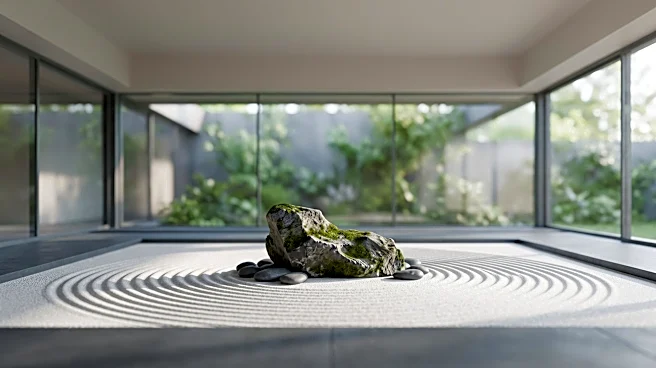
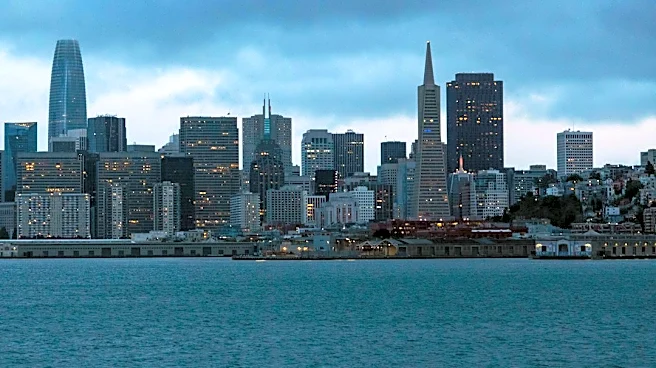
A new trend is emerging in San Francisco's luxury real estate market, where young, affluent buyers, many under 40, are investing significantly in homes designed for longevity and wellness. These buyers are willing to pay millions over asking prices for properties
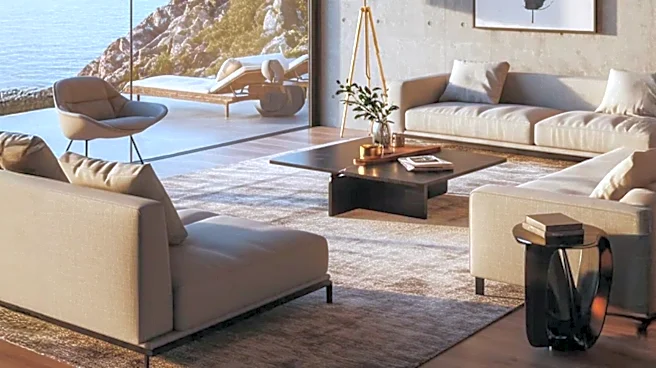
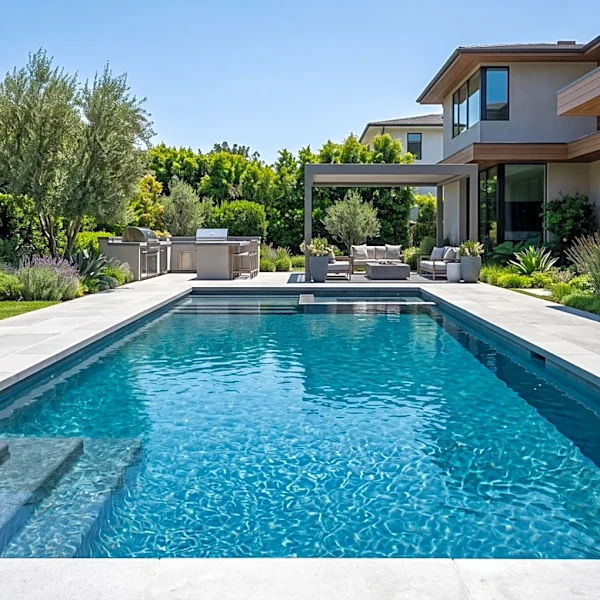
that offer bespoke amenities such as meticulously landscaped Zen gardens, full-home filtration systems, and advanced air conditioning to mitigate concerns about climate change and air quality. Luxury home developers are adapting to this demand by incorporating features like meditation rooms, in-home red-light therapy devices, and spaces that can accommodate future family expansion, including ADUs and elevators for aging parents. This shift reflects a desire for 'forever homes' that support a health-optimized lifestyle, moving away from traditional luxury features like wine cellars towards wellness-centric amenities. The focus is on long-term living and health optimization, with some buyers even seeking to expand existing wellness areas in multi-million dollar properties.
Why It's Important?
This trend signifies a significant shift in the luxury real estate market, driven by a generation with substantial wealth, particularly from the AI sector, who are prioritizing health and long-term well-being in their investments. The willingness to overpay for homes with specific wellness features indicates a strong market demand for properties that support a 'healthmaxxing' economy. This could lead to a broader transformation in residential development, with a greater emphasis on health-conscious design and sustainable living solutions. For the real estate industry, it means a new segment of buyers with distinct preferences, pushing developers to innovate beyond conventional luxury. It also highlights a growing societal focus on healthspan over lifespan, where environmental factors and personal wellness are integrated into daily living choices, influencing everything from home design to social activities, such as replacing traditional gatherings with cold plunge parties.
What's Next?
The continued demand from this demographic is likely to further influence luxury home development, leading to more widespread adoption of wellness-focused amenities and sustainable building practices. Developers will likely continue to invest in and market homes with advanced air and water filtration, dedicated wellness spaces, and adaptable layouts for multi-generational living. This could also spur innovation in smart home technology integrated with health monitoring and environmental controls. The trend may also spread beyond San Francisco to other affluent areas, as the concept of a 'longevity sanctuary' becomes a more desirable standard for high-net-worth individuals. Real estate agents and developers will need to stay attuned to these evolving preferences to remain competitive in the luxury market.
Beyond the Headlines
This phenomenon reflects a deeper cultural shift where extreme wealth is increasingly being channeled into optimizing personal health and extending life, often termed 'healthmaxxing.' It raises questions about equity and access to such advanced wellness infrastructure, as these amenities remain largely exclusive to the ultra-wealthy. The focus on mitigating environmental concerns within private residences, such as 'orange sky' days, also points to a growing anxiety about climate change among the affluent, leading to personalized solutions rather than broader systemic changes. Furthermore, the shift from 'work hard, play hard' to 'work hard, recover, work hard again' suggests a redefinition of success and leisure, where recovery and self-optimization are paramount, potentially influencing workplace culture and societal values around productivity and well-being.