





What's Happening?
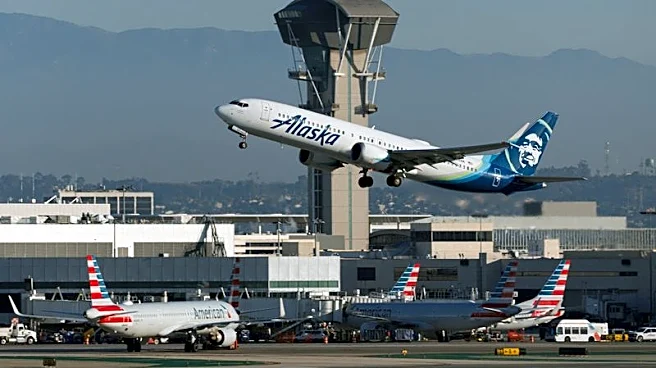
American Airlines has announced a potential for significant losses this year as rising fuel costs, exacerbated by geopolitical tensions, impact its financial outlook. The airline now anticipates an adjusted loss of 65 cents per share to a potential profit
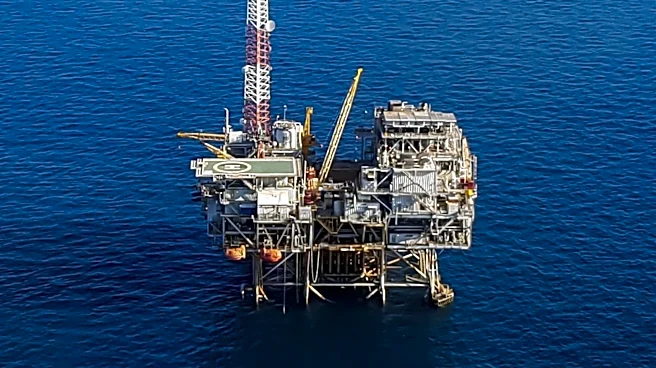
of 65 cents per share, a revision from its earlier forecast of a loss of 40 cents to a profit of $1.10 per share. This adjustment comes as the airline grapples with increased fuel expenses due to renewed U.S.-Iran tensions affecting oil prices. The volatility in fuel markets has complicated earnings forecasts for airlines, with American Airlines joining Southwest in narrowing its full-year profit expectations.
Why It's Important?
The rising fuel costs present a significant challenge for the airline industry, which is already operating on thin margins. For American Airlines, which has been working on a turnaround strategy under CEO Robert Isom, the increased fuel expenses could hinder its efforts to improve profitability. The situation underscores the vulnerability of airlines to external economic and geopolitical factors, particularly those affecting oil prices. As fuel costs constitute a major portion of airline expenses, sustained high prices could lead to increased ticket prices, affecting consumer demand and potentially slowing the recovery of the travel industry post-pandemic.
What's Next?
American Airlines and other carriers may need to explore strategies to mitigate the impact of rising fuel costs, such as hedging fuel prices or increasing operational efficiencies. The airline's ability to pass on these costs to consumers through higher ticket prices will be crucial in maintaining profitability. Additionally, the industry will be closely monitoring geopolitical developments that could further influence oil prices. Stakeholders, including investors and unions, will likely pressure airline management to address these challenges effectively to ensure financial stability.