






What's Happening?
Hotels are increasingly adopting 'scent zoning,' a strategic approach to fragrance management that involves dividing a property into distinct areas, each receiving a tailored scent treatment. This method considers the function of each space, airflow dynamics,
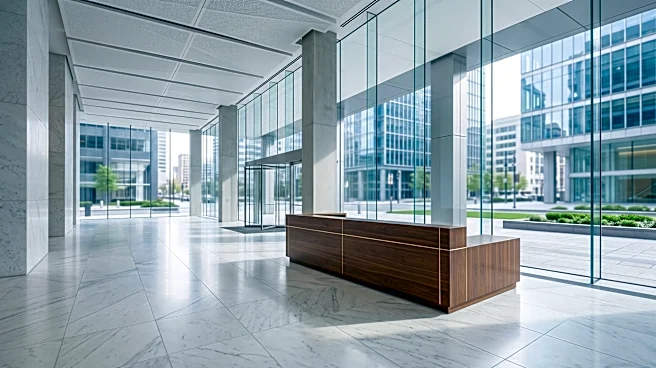
guest behavior, and overall brand purpose. For instance, a hotel's main signature scent might be prominent in the reception area, while a spa might feature a related, calming fragrance. Restaurants, however, often require a more cautious approach, with some areas remaining unscented to avoid interfering with food aromas. This detailed planning ensures that fragrance enhances the guest experience without creating scent overlap, dining conflicts, or an inconsistent brand perception. The process involves mapping guest journeys, identifying airflow and odor boundaries, assigning specific fragrance roles to each zone, and selecting appropriate diffusion methods, such as standalone diffusers or HVAC-connected systems.
Why It's Important?
The implementation of scent zoning in hotels reflects a broader trend in the hospitality industry towards experience-led, high-quality properties, as highlighted by JLL's 2026 Global Hotel Investment Outlook. In mixed-use developments, where hotels are integrated with retail, restaurants, and wellness facilities, sensory consistency becomes crucial. While integration is key, scent zoning acknowledges that different areas within a property serve different emotional and operational contexts. A successful scent system recognizes these differences, providing a coherent brand identity while allowing for varied sensory experiences. This strategy aims to optimize guest satisfaction, potentially leading to increased loyalty and positive brand association. By carefully managing scent, hotels can create a more immersive and memorable environment, differentiating themselves in a competitive market and catering to the evolving expectations of modern travelers who prioritize holistic experiences.
What's Next?
Hotels are expected to continue refining their scent zoning strategies, with an emphasis on data-driven adjustments and personalized guest experiences. This will involve ongoing monitoring of guest feedback, seasonal adjustments to scent profiles, and coordination with building personnel to ensure seamless integration with HVAC systems. The industry may see further advancements in scent diffusion technology, offering more precise control over intensity, scheduling, and scent delivery in various zones. As mixed-use developments become more prevalent, the complexity of scent zoning will increase, requiring sophisticated planning to maintain sensory consistency across diverse environments. Hotels will likely invest in specialized consultants and technologies to optimize their scent programs, ensuring they align with evolving brand strategies and guest preferences.
Beyond the Headlines
The adoption of scent zoning extends beyond mere aesthetics, touching upon the psychological and physiological impacts of olfaction. Scent has a powerful ability to evoke memories, influence mood, and shape perceptions, making it a potent tool for brand building and customer engagement. Ethically, hotels must consider potential sensitivities or allergies guests may have to certain fragrances, necessitating careful selection and transparent communication. Legally, there may be future considerations regarding indoor air quality regulations and the use of synthetic versus natural scents. Culturally, the choice of fragrance can subtly communicate a brand's identity and values, appealing to specific demographics or regional preferences. This strategic use of scent represents a long-term shift towards a more holistic and sensory-rich approach to hospitality, where every detail, including the air guests breathe, contributes to the overall brand narrative and customer experience.