




What's Happening?
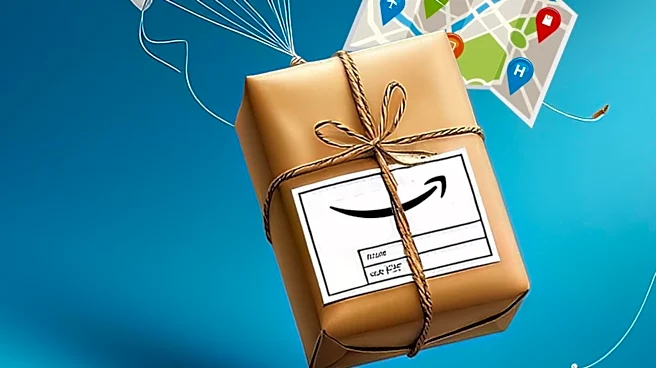
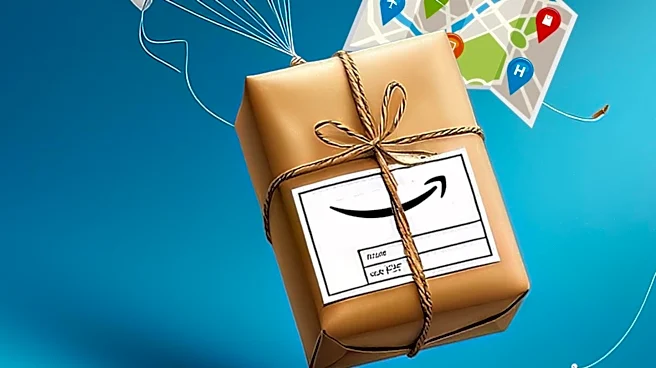
Amazon is now inviting third-party sellers utilizing its Fulfillment by Amazon (FBA) service to bid for inclusion in its 'Sub-Same Day' (SSD) delivery program. This program offers delivery as quickly as two hours after an order is placed and is currently
available in 2,300 metropolitan areas. Previously, Amazon automatically selected eligible products for SSD based on customer demand and supply signals, without an additional charge to sellers. The new initiative allows sellers to proactively select additional products for the SSD network by paying a per-unit price they bid, only for units that actually ship through the service. Amazon has indicated that products in the SSD network have seen a 12% higher average sales increase compared to standard FBA delivery in areas where the program operates. This move aims to expand the selection of products available for ultra-fast delivery, giving sellers more control over their participation in this expedited service.
Why It's Important?
This development is significant for U.S. e-commerce and the competitive landscape of online retail. For third-party sellers, the opportunity to pay for inclusion in Amazon's 'Sub-Same Day' delivery program could lead to increased sales and market visibility, especially given the reported 12% sales increase for products in the SSD network. However, it also introduces a new cost factor that sellers must weigh against potential revenue gains, potentially impacting their profit margins. For Amazon, this strategy could further solidify its dominance in fast delivery, enhancing customer satisfaction and loyalty by offering an even wider array of products with rapid shipping options. It also represents a shift in how Amazon monetizes its advanced logistics infrastructure, potentially generating new revenue streams from sellers. The move could also pressure other e-commerce platforms to accelerate their delivery capabilities to remain competitive, ultimately benefiting consumers with faster shipping options across the industry.
What's Next?
Sellers will need to evaluate the cost-benefit of bidding for the 'Sub-Same Day' delivery program, carefully analyzing whether the potential increase in sales justifies the additional per-unit fee. Consultants are already advising sellers to ensure they receive incremental sales and that the fees do not erode their margins. It is possible that as more sellers opt to pay for inclusion, Amazon might reduce the number of products it places in the SSD network for free, potentially making paid participation a more critical factor for sellers seeking ultra-fast delivery. The success of this bidding model could influence Amazon's future strategies for other premium services. Consumers can expect an expanded selection of products available for rapid delivery, further raising expectations for e-commerce shipping speeds. The broader e-commerce market will likely observe Amazon's results closely, potentially leading to similar expedited delivery initiatives from competitors.
Beyond the Headlines
This initiative highlights a deeper trend in the e-commerce industry: the increasing premium placed on speed and convenience. While beneficial for consumers, it also raises questions about the sustainability and cost implications for sellers, particularly smaller businesses that might struggle to absorb additional fees. The move could inadvertently create a two-tiered system where sellers who can afford to pay for faster delivery gain a significant competitive advantage, potentially marginalizing those who cannot. This could lead to a concentration of sales among larger, better-resourced sellers. Furthermore, the continuous push for faster delivery raises environmental concerns regarding increased logistics, packaging, and transportation emissions. The ethical implications of Amazon charging sellers for a service that customers already pay for (e.g., through Prime membership) also warrant consideration, as it could be perceived as double-dipping, placing an additional burden on the supply chain participants.