







What's Happening?
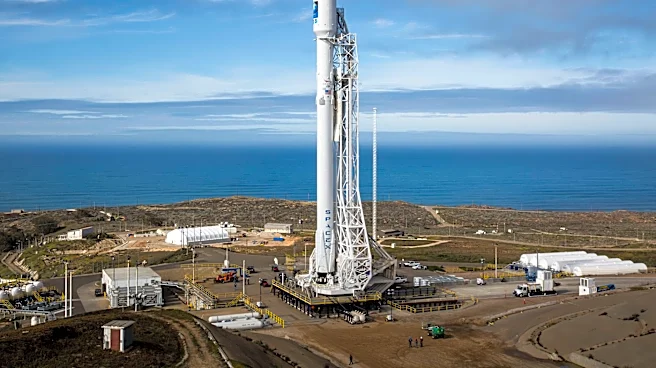
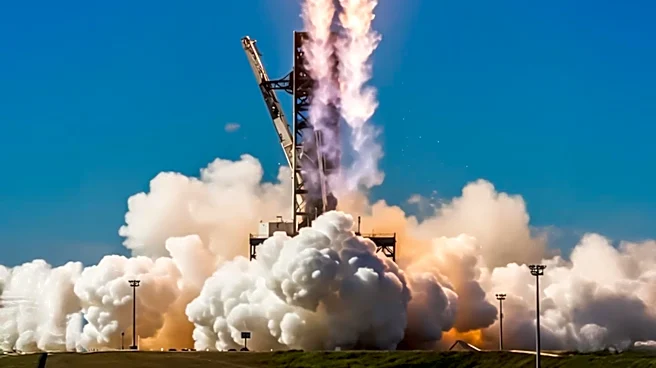
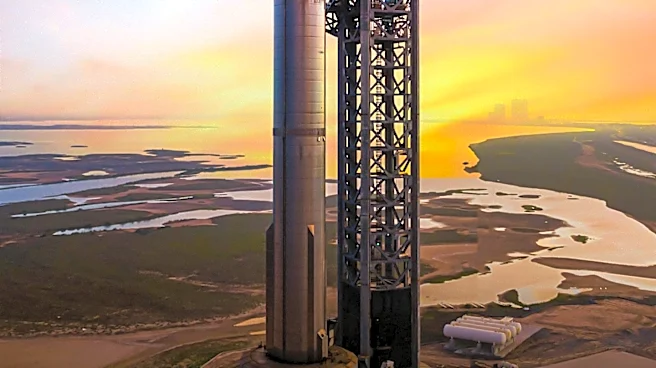
SpaceX's Transporter-17 mission has successfully launched the world's first commercially developed nuclear-powered satellite, the BOHR CubeSat. This satellite, part of a rideshare mission, represents a significant technological milestone in the commercial space
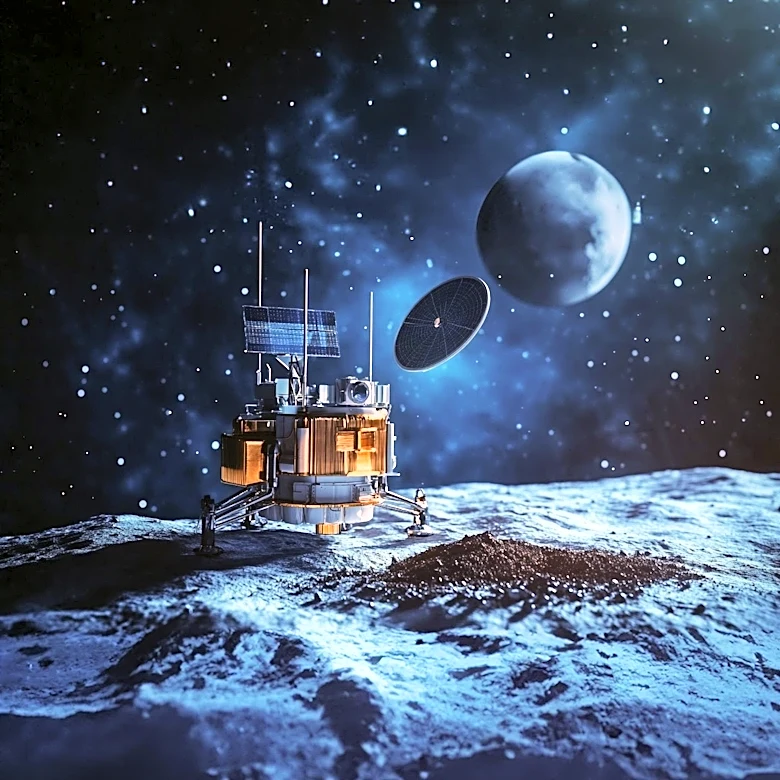
industry. The BOHR CubeSat is designed to operate independently of sunlight, using a betavoltaic nuclear power source. This technology allows the satellite to function in environments where solar power is insufficient, such as deep-space missions or shadowed lunar craters. The mission highlights the potential for nuclear power technologies to support future space exploration and infrastructure, marking a shift towards more sustainable and long-duration energy solutions in space.
Why It's Important?
The launch of the BOHR CubeSat signifies a major advancement in space technology, particularly in the use of nuclear power for commercial applications. This development could revolutionize how spacecraft are powered, enabling longer missions and operations in previously inaccessible environments. For the commercial space industry, this represents a new frontier in energy solutions, potentially reducing reliance on solar power and expanding the possibilities for deep-space exploration. The successful integration of nuclear power in a commercial satellite also sets a precedent for future regulatory approvals, encouraging further innovation and investment in this area. As space exploration becomes more ambitious, reliable and long-duration power sources will be crucial for sustaining operations beyond Earth's orbit.
What's Next?
Following the successful launch of the BOHR CubeSat, the commercial space industry may see increased interest in nuclear-powered technologies. Future missions could leverage this technology for a variety of applications, including lunar infrastructure, deep-space exploration, and autonomous sensor networks. Regulatory frameworks will likely evolve to accommodate the growing use of nuclear power in space, providing clearer guidelines for safety and licensing. As more companies explore these technologies, the space industry could witness a surge in innovation and collaboration, driving advancements in both commercial and scientific missions.