





What's Happening?
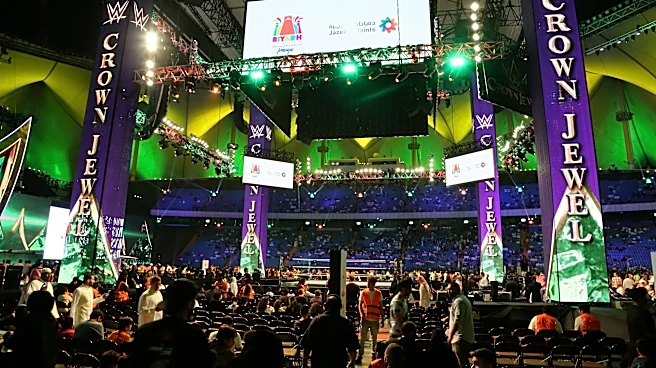
Trainer Robert García confirmed that his boxer, Lindolfo Delgado, did not travel to Saudi Arabia for a scheduled fight on the October 31 card. Delgado was slated to fight Arthur Biyarslanov for the vacant International Boxing Federation super-lightweight
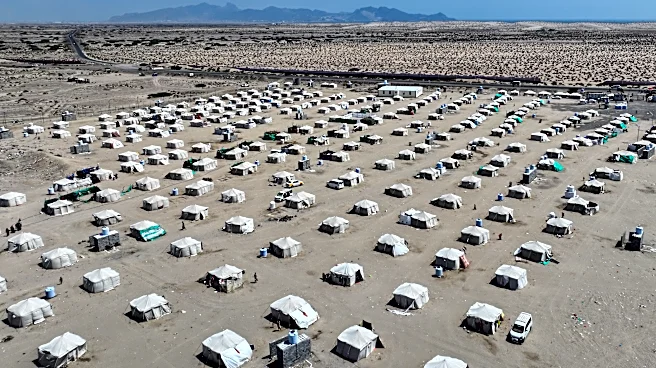
title. According to García, the decision stemmed from logistical issues, including a lack of flight information, and daily alerts regarding potential missile attacks in the region. García expressed concerns about the safety of traveling to Bahrain and then driving several hours to the fight location without security guarantees. This incident occurred amidst ongoing missile and drone attacks attributed to Houthi rebels in Saudi Arabia, which have led to casualties and the temporary closure of King Khalid International Airport. The U.S. State Department had also ordered the evacuation of non-essential government personnel and their families from the country due to instability.
Why It's Important?
This situation highlights the significant risks and challenges faced by international sporting events held in regions experiencing geopolitical instability. The withdrawal of a boxer due to security concerns underscores the potential impact of conflict on athletes' safety and the integrity of competitions. For the boxing industry, such incidents can lead to financial losses, reputational damage, and difficulties in attracting participants and audiences to events in affected areas. Promoters and organizers face increased scrutiny regarding their duty of care to athletes and staff. The U.S. State Department's evacuation order further emphasizes the severity of the security environment, influencing travel decisions for individuals and organizations with ties to the region. This event could prompt a reevaluation of venue selections for future international sporting events, prioritizing athlete safety over other considerations.
What's Next?
It remains unannounced whether Arthur Biyarslanov will fight a replacement boxer on the card following Lindolfo Delgado's withdrawal. The incident may lead to further discussions within the boxing community regarding the safety protocols and ethical considerations of holding high-profile events in conflict zones. Promoters like Turki Alalshikh and organizations like the WBC, whose president Mauricio Sulaimán is in Riyadh, may face increased pressure to address security concerns more transparently. The broader implications could include a shift in how international sporting bodies assess and mitigate risks for events in politically volatile regions, potentially leading to stricter guidelines or relocation of events to more secure venues. This could also influence future decisions by individual athletes and their teams when considering participation in events in such areas.
Beyond the Headlines
The decision by Robert García and Lindolfo Delgado to prioritize safety over participation in a major boxing event reflects a growing awareness of the human cost of geopolitical conflicts. Beyond the immediate impact on the fight card, this incident raises ethical questions about the responsibility of sports organizations to protect athletes, especially when significant financial incentives are involved. The criticism from figures like promoter Oscar De La Hoya, who argued for moving the fight to a safer venue, underscores a moral dilemma within the sports industry: balancing commercial interests with the well-being of participants. This event could contribute to a broader cultural shift where athletes and their teams are more empowered to decline participation in events deemed unsafe, potentially setting a precedent for other sports and industries operating in high-risk environments.