


What's Happening?
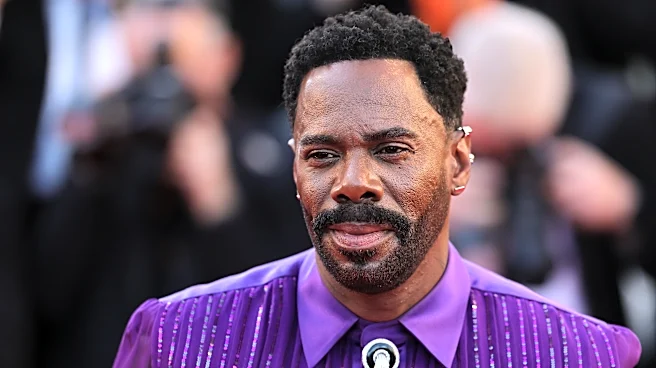
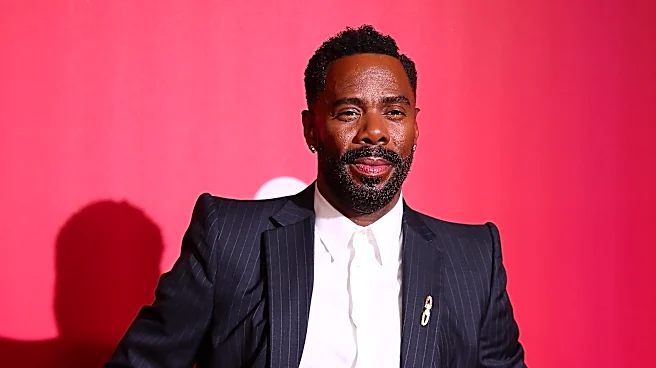
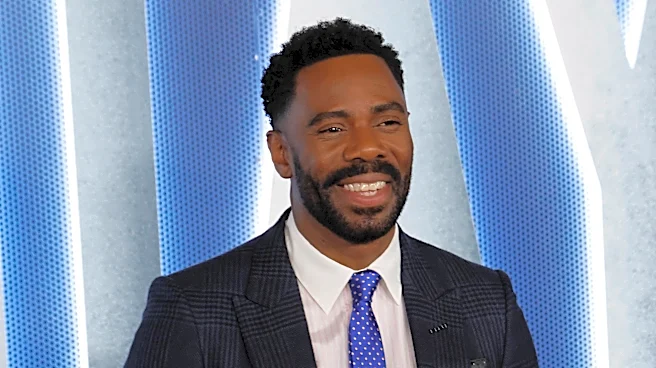
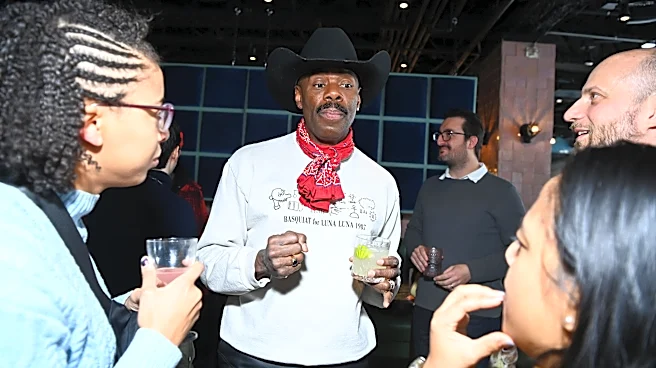
Actor Colman Domingo has publicly responded to a critic who questioned his performance as Joe Jackson in the biographical film 'Michael' and challenged his inclusion in Oscar predictions. The exchange occurred on November 25, when an X user, identified
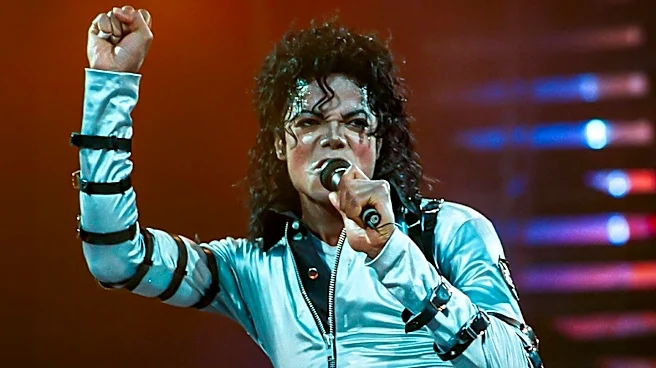
as Wilfred Okiche (a member of the Critics' Choice Association), posted a negative assessment of Domingo's portrayal and the film itself, stating, 'Awards prognosticators adding Colman Domingo for Michael, you really don't need to add a mid performance/bad movie. You really don't.' Domingo replied directly to the post with the question, 'Who hurt you?' This brief response quickly garnered attention, fueling ongoing discussions about the film's artistic quality and Domingo's performance. 'Michael,' released in April 2026, features Jaafar Jackson as Michael Jackson and explores Joe Jackson's demanding parenting style and influence on his children's careers. Domingo had previously discussed his approach to the role, emphasizing his desire to understand Joe Jackson's humanity and motivations rather than simply imitating him.
Why It's Important?
This public exchange highlights the increasing direct interaction between actors and critics on social media platforms, blurring the lines between professional critique and personal response. For the U.S. film industry, it underscores the intense scrutiny and debate surrounding awards season predictions, particularly for high-profile biopics like 'Michael.' The critic's comments reflect a broader division in opinion regarding the film's quality, with mixed reviews from critics (a 38% Rotten Tomatoes score) contrasting with significant commercial success (over $1 billion worldwide). Domingo's response, while brief, draws further attention to his performance and the film, potentially influencing public perception and awards discussions. It also raises questions about the impact of social media on critical discourse and how actors choose to engage with negative feedback. For Domingo, a two-time Oscar nominee, this interaction adds another layer to his awards season narrative, as he is being considered for a supporting actor nomination for this role.
What's Next?
The immediate aftermath of this exchange will likely see continued discussion on social media and in entertainment circles regarding Domingo's performance and the overall merits of 'Michael.' As the 2027 awards season progresses, industry publications and awards experts will continue to update their Oscar predictions, taking into account critical reception, box office performance, and industry buzz. Domingo's potential nomination for Best Supporting Actor will depend on the Academy's voting decisions, which are influenced by a multitude of factors beyond individual predictions or social media debates. The film's mixed critical reception, despite its commercial success, will remain a key talking point. It remains to be seen whether Domingo will issue any further statements regarding the criticism or if this brief interaction will be his sole public response. The debate surrounding 'Michael' and its awards prospects is expected to intensify as official nominations for various awards ceremonies approach.
Beyond the Headlines
This incident touches upon deeper implications concerning the evolving landscape of film criticism and celebrity engagement in the digital age. The direct, public confrontation between an actor and a critic on a platform like X blurs the traditional boundaries of critical discourse, potentially shifting the power dynamics. It raises questions about the nature of critique: whether it should be purely objective or if personal opinions, as implied by Domingo's 'Who hurt you?' question, are perceived to influence it. Ethically, it prompts a discussion on the responsibility of critics in their public commentary and the right of artists to respond to perceived unfairness. Culturally, it reflects a broader trend where public figures are increasingly expected to engage directly with their audience and critics, sometimes leading to more polarized discussions. This dynamic could influence how future film reviews are received and how actors choose to navigate their public image during awards campaigns, potentially leading to more guarded or more confrontational interactions.