


What's Happening?
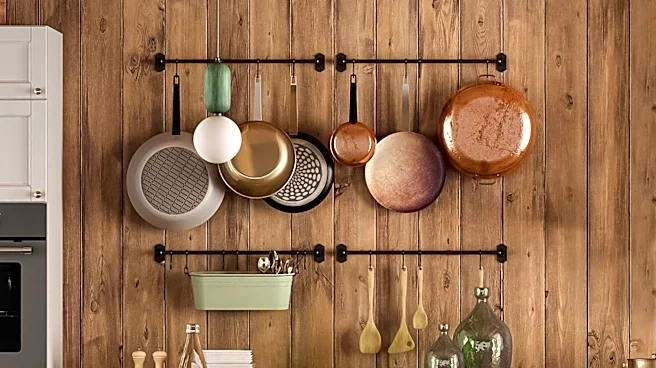
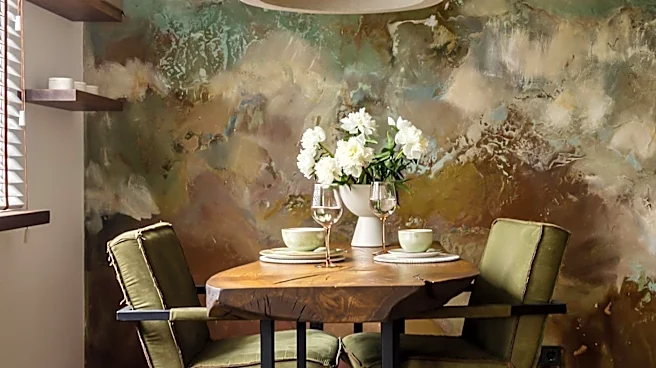
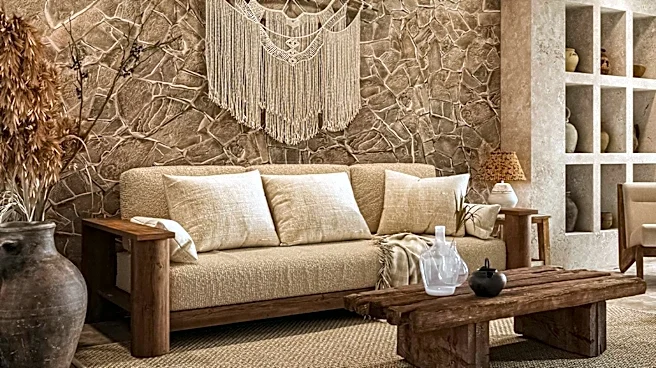
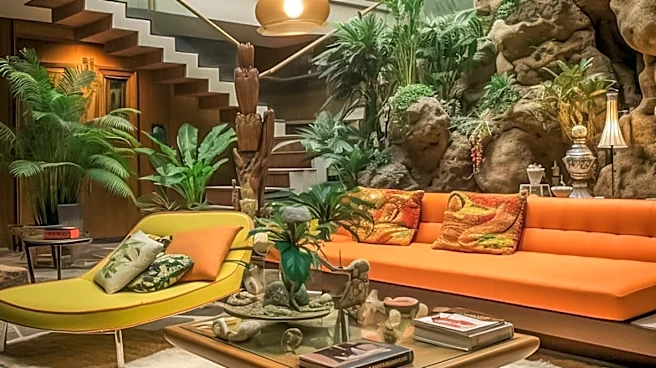
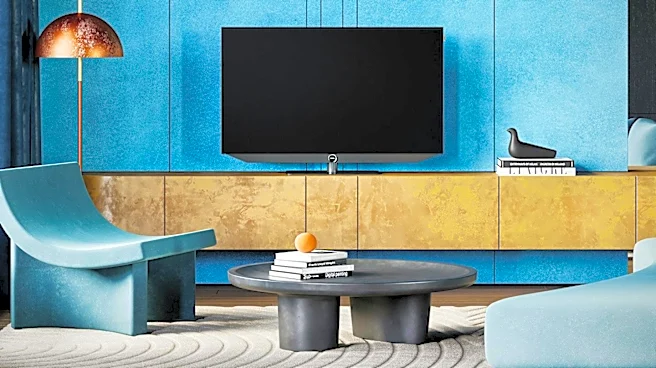
Maximalism, a design philosophy, is characterized by its rich, opulent, and extravagant approach, prioritizing the expression of personality through various design elements. This style incorporates sculptural furniture, vibrant colors, intricate layered
patterns, and vintage accents, alongside distinctive statement pieces. It celebrates abundance by utilizing saturated color palettes, mixing diverse patterns, and layering textures. Objects within a maximalist space are chosen to tell stories, with an emphasis on scale and contrast to create an intentional, rather than random, aesthetic. This design trend allows for bold choices that reflect individual tastes and narratives, moving away from minimalist principles to embrace a more decorative and personal environment.
Why It's Important?
The resurgence and popularity of maximalism in design reflect a broader cultural shift towards personalization and self-expression within living spaces. This trend impacts the interior design industry by encouraging the use of diverse materials, bespoke furnishings, and unique art pieces, potentially boosting markets for antique dealers, custom furniture makers, and textile artists. For consumers, it offers an alternative to more subdued design trends, allowing for greater creativity and the integration of personal histories and collections into their homes. This approach can foster a sense of individuality and comfort, transforming living spaces into reflections of their inhabitants' lives and interests. The emphasis on storytelling through objects also highlights a growing appreciation for craftsmanship and the narrative value of possessions.
What's Next?
The continued embrace of maximalism suggests a potential for further innovation in interior design, with designers exploring new ways to combine disparate elements and create cohesive yet eclectic spaces. This could lead to increased demand for unique, handcrafted, and vintage items, influencing production and retail trends in home decor. We may see more collaborations between artists and designers to create bespoke pieces that fit the maximalist aesthetic. Additionally, as more individuals adopt this style, there could be a greater focus on sustainable practices within design, with an emphasis on repurposing and collecting rather than mass-produced items, aligning with growing environmental consciousness.
Beyond the Headlines
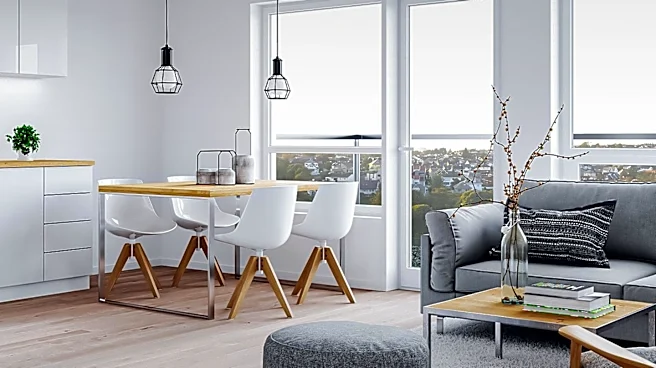
Beyond its aesthetic appeal, maximalism can be seen as a counter-cultural movement against the uniformity often associated with modern design. It challenges the notion that less is more, instead advocating for a 'more is more' philosophy that celebrates complexity and sensory richness. This approach can have psychological benefits, as surrounding oneself with meaningful objects and vibrant colors can enhance mood and foster a sense of belonging. Ethically, maximalism encourages a more conscious consumption of goods, favoring items with history and character over disposable trends, potentially reducing waste and promoting a circular economy in design. Culturally, it allows for a richer tapestry of influences, blending different eras, styles, and global aesthetics into a harmonious whole.