






What's Happening?
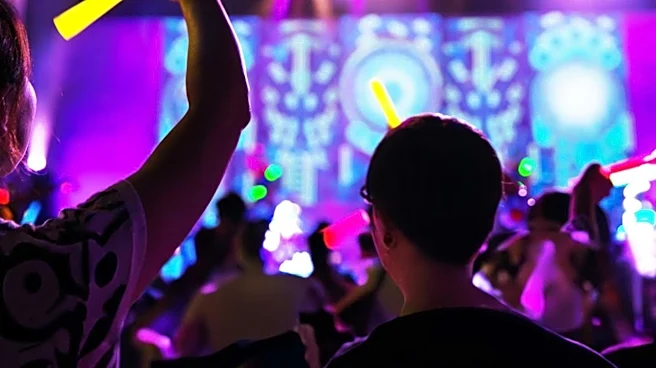
As the 11th season of Netflix's reality dating show 'Love is Blind' concluded with its wedding ceremonies, Boston locals gathered at watch parties across the city to discuss the show and their experiences with dating in Boston. Fans viewed the final episodes,
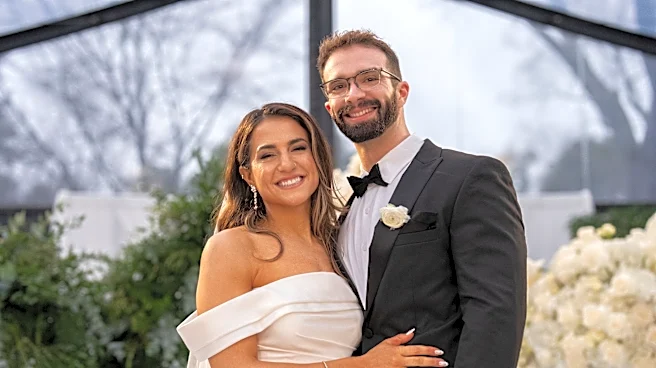
which revealed which couples chose to marry after meeting sight-unseen. Cast members, including Aneha Singh and Morrey Eglin, made appearances at some of these events. WBUR interviewed attendees at Bill’s Bar and passersby near the Lansdowne Pub, a location featured in the show, to gather their opinions on the season's cast and the challenges and opportunities of finding love in 'Beantown.'
Why It's Important?
This local commentary provides a unique perspective on the intersection of reality television and real-world dating experiences in a specific U.S. city. The popularity of 'Love is Blind' highlights a broader cultural fascination with unconventional dating methods and the search for genuine connection. For Boston residents, the show serves as a talking point to reflect on their own dating landscape, which some describe as challenging due to the city's transient population and perceived communication barriers among men. The discussions reveal diverse opinions on where and how to find love, ranging from neighborhood bars and shared interest groups to dating apps and sports events, offering insights into contemporary urban dating dynamics.
What's Next?
With only the reunion episode of 'Love is Blind' Season 11 left to air, public discussion will likely shift to the long-term outcomes of the couples and the cast members' post-show lives. For Boston's dating scene, the conversations sparked by the show may encourage individuals to re-evaluate their approaches to finding partners, potentially leading to more engagement in local community events or a re-assessment of dating app strategies. The ongoing dialogue about the difficulties and successes of dating in Boston could also influence local businesses and social organizers to create more opportunities for connection, catering to the expressed needs of the city's singles.
Beyond the Headlines
The commentary from Boston locals extends beyond mere reality TV critique, touching upon deeper societal observations about modern relationships and urban living. The perception of Boston as a 'transient city' where 'men don't talk' speaks to broader challenges in forming lasting connections in fast-paced environments. The advice offered, such as seeking out shared interests and exploring neighborhood spots, suggests a yearning for more authentic and organic interactions in an era dominated by digital connections. This reflects a cultural tension between the curated, high-stakes drama of reality dating shows and the often mundane, yet deeply personal, quest for companionship in everyday life, highlighting the enduring human need for connection despite evolving social landscapes.