




What's Happening?
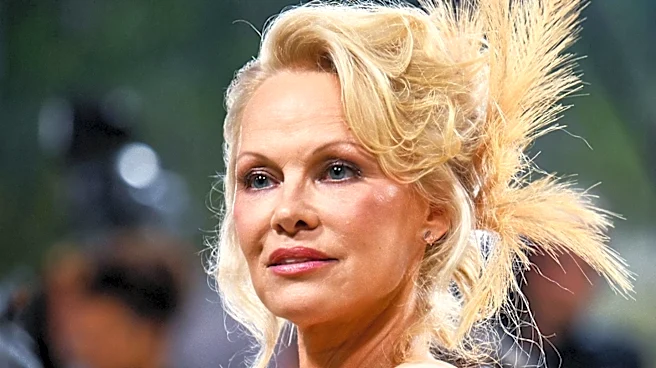
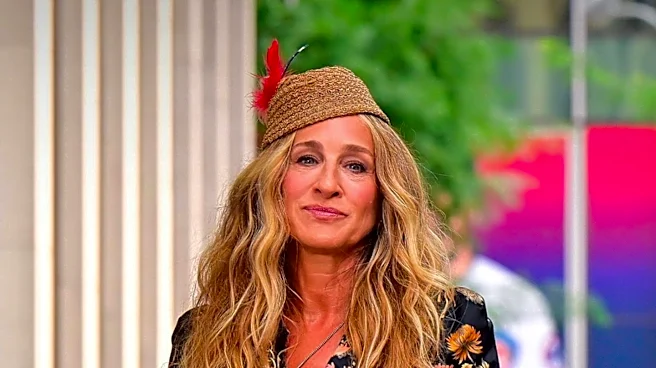
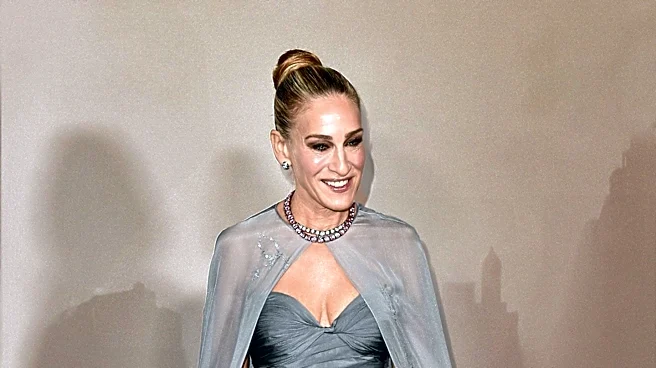
Sarah Jessica Parker recently attended the New York City Ballet Fall Fashion Gala, where her appearance garnered attention for embracing natural aging. The actress, known for her iconic fashion sense, wore a Simone Rocha creation inspired by balletcore,
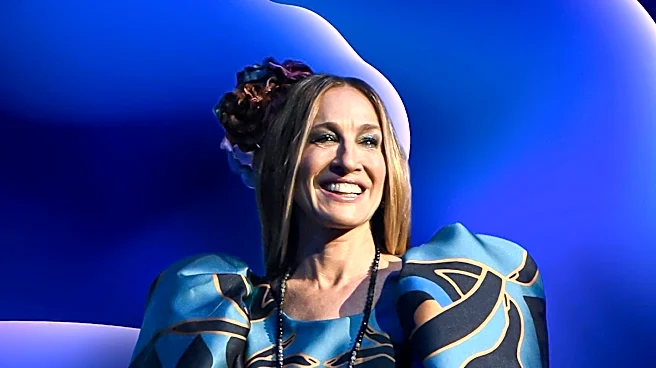
featuring romantic details, floral embroidery, and pink ribbons. While her outfit maintained the theatricality expected of her, it was her natural look, including visible wrinkles and gray hair, that stood out. This approach contrasts with prevalent beauty industry trends that often promote the erasure of signs of aging through cosmetic procedures and filters. Parker's choice to present herself authentically at a high-profile event highlights a growing conversation about age acceptance in the entertainment industry and broader society.
Why It's Important?
Sarah Jessica Parker's public embrace of natural aging is significant as it challenges the often-unrealistic beauty standards perpetuated by media and the beauty industry. In a society where youthfulness is frequently equated with beauty and success, her stance offers a refreshing counter-narrative. This can empower women, particularly those in the public eye, to feel less pressured to conform to conventional anti-aging ideals. Her influence, stemming from her long-standing career and fashion icon status, can help normalize the aging process and encourage a more inclusive definition of beauty. This shift could potentially impact consumer behavior in the beauty and fashion industries, leading to a greater demand for products and narratives that celebrate natural beauty rather than solely focusing on anti-aging solutions.
What's Next?
This public display of embracing natural aging by a prominent figure like Sarah Jessica Parker could inspire more celebrities and public figures to follow suit, potentially leading to a broader cultural shift. We might see an increase in discussions around ageism in Hollywood and the fashion industry, prompting changes in how older women are represented. Brands in the beauty and fashion sectors may adapt their marketing strategies to be more inclusive of diverse age groups and natural appearances. Furthermore, this could encourage individuals to re-evaluate their own perceptions of aging and beauty, fostering a more accepting and less critical environment regarding physical appearance as people age. The ongoing conversation will likely continue to evolve as more voices join in advocating for age positivity.
Beyond the Headlines
Beyond the immediate impact on beauty standards, Sarah Jessica Parker's approach touches upon deeper ethical and cultural dimensions. It raises questions about the societal pressure on women to maintain a youthful appearance and the psychological toll this can take. Her choice can be seen as an act of defiance against the commercialization of anti-aging and a push towards authenticity. This could contribute to a long-term shift in cultural values, where wisdom and experience associated with age are celebrated rather than hidden. It also highlights the personal agency individuals have in defining their own beauty, irrespective of external expectations. This movement towards age acceptance could foster a more compassionate and realistic view of human development and appearance.