





What's Happening?
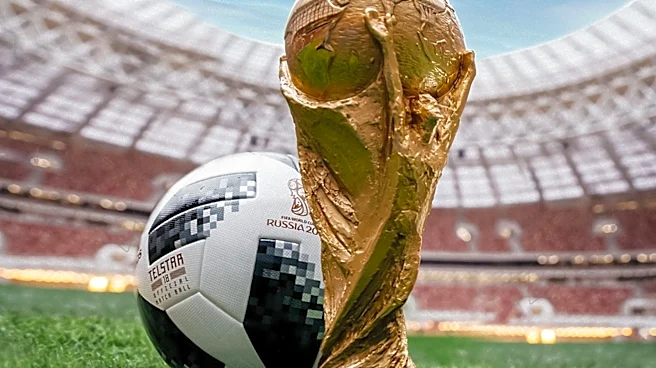
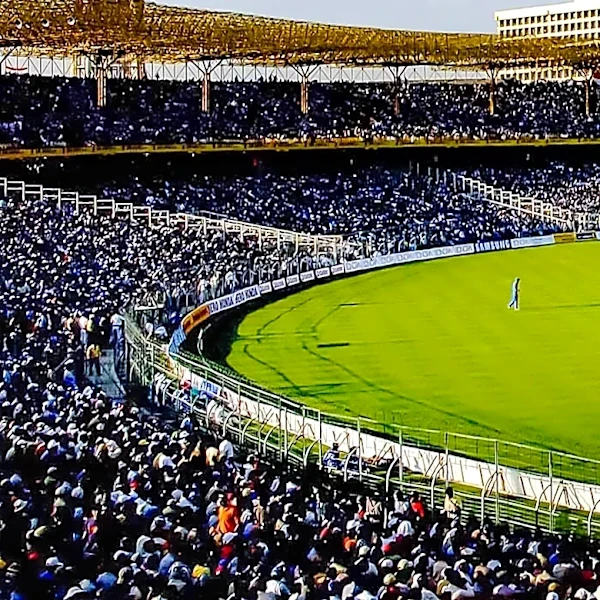
The 2026 World Cup, hosted across North America, has set new benchmarks for the sports industry, with 6.8 million fans attending and 104 matches played at near-full capacity. The event showcased the capabilities of U.S. facilities, event operations, and corporate
partnerships. It also provided a platform for professionals to gain experience in managing large-scale events. The success of the World Cup is expected to attract more international sports events to the U.S., reinforcing its position as a lucrative market for sports business.
Why It's Important?
The World Cup's success underscores the U.S.'s ability to host major international events, highlighting its infrastructure, consumer demand, and corporate support. This achievement is crucial as the country prepares for future events like the 2028 Los Angeles Olympics and the 2031 Women's World Cup. The event's success also demonstrates the potential for economic growth and increased global visibility for host cities. The lessons learned from the World Cup will inform future event planning and execution, ensuring continued excellence in hosting international sports competitions.
What's Next?
With the World Cup concluded, attention shifts to the upcoming 2028 Olympics in Los Angeles and the potential hosting of the 2031 Women's World Cup. The experience gained from the World Cup will be invaluable in planning these events. Host cities will continue to evaluate the economic and social impacts of the World Cup, using this data to enhance future event strategies. The U.S. sports industry is poised for growth as it leverages the success of the World Cup to attract more international events.