




What's Happening?
A recent article from By Design and Viz emphasizes the importance of creating a cohesive lighting scheme that extends from indoor living spaces to outdoor patios. The core idea is to establish a unified mood and layered lighting approach throughout the home,
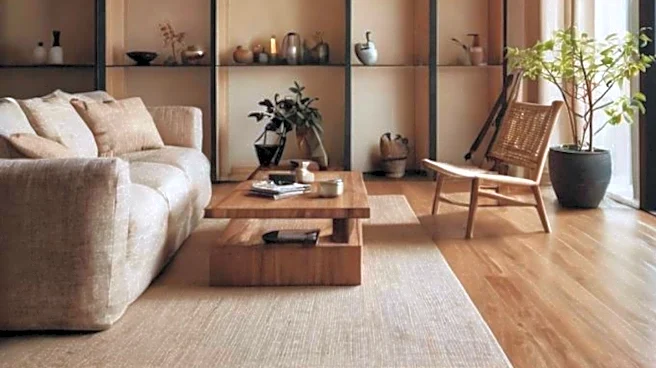
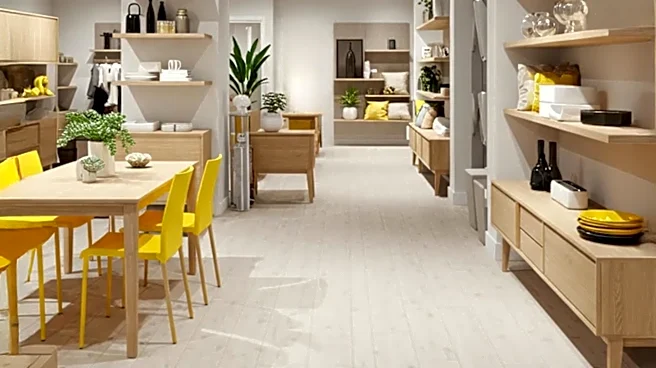
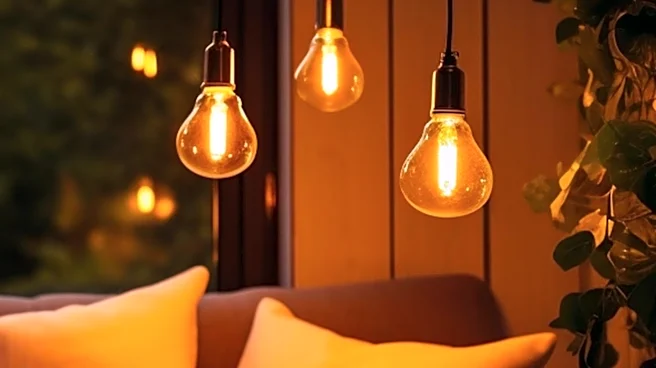
rather than treating each area in isolation. This involves setting a decor theme first, then selecting lighting that supports that theme, whether it's a warm family home or a modern retreat. The strategy focuses on highlighting specific areas and creating a sense of light and shade, rather than uniformly flooding spaces with light. Key recommendations include keeping outdoor lighting soft and low, ensuring indoor working areas are brighter, and avoiding direct eye-level light sources, especially near windows and glass doors. The article also suggests using consistent light color temperatures, typically a warm white between 2700K and 3000K, to ensure a smooth transition between spaces and enhance the richness of materials like wooden floors. Lamomo LED strip lights are mentioned as an option for achieving a warm glow in various settings.
Why It's Important?
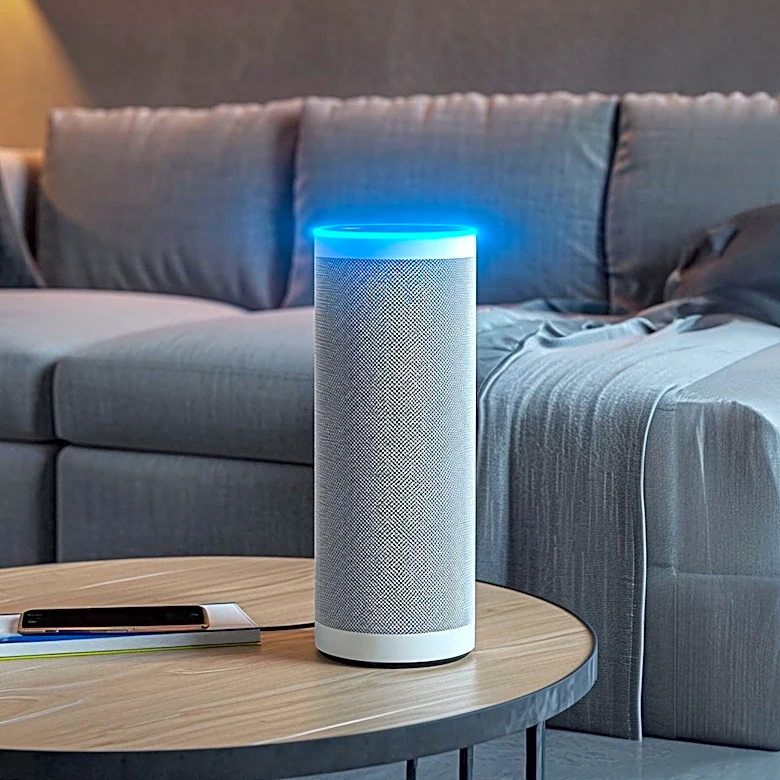
This approach to home lighting is important for U.S. homeowners and the interior design industry as it shifts focus from purely functional illumination to creating an integrated and emotionally resonant living environment. By emphasizing a cohesive scheme, the article promotes a more thoughtful and sophisticated design process, potentially increasing demand for smart lighting solutions, dimmers, and layered lighting products. Consumers stand to gain more comfortable and aesthetically pleasing homes, which can positively impact well-being and property value. The emphasis on controlling indoor and outdoor lights together, possibly with timers or smart switches, highlights a growing trend towards home automation and integrated smart home systems. This could drive innovation and sales in the smart home technology sector, benefiting manufacturers and retailers. Furthermore, the advice on balancing brightness and keeping light sources discreet contributes to energy efficiency and reduces light pollution, aligning with broader environmental considerations.
What's Next?
The trend towards cohesive and layered lighting schemes is likely to continue influencing interior design practices and consumer choices in the U.S. We can expect to see increased adoption of smart lighting systems that allow for synchronized control and dimming across different areas of a home. Manufacturers of LED strip lights, smart bulbs, and home automation platforms may experience higher demand as homeowners seek to implement these integrated lighting strategies. Interior designers and architects will likely incorporate these principles more routinely into their projects, offering clients comprehensive lighting plans that consider both aesthetics and functionality. Educational content and product offerings in the home improvement sector will probably emphasize the benefits of layered and mood-centric lighting, moving away from single, bright overhead fixtures. The market may also see more products designed for seamless indoor-outdoor lighting integration, such as weather-resistant LED strips and smart outdoor lighting solutions.
Beyond the Headlines
Beyond the immediate aesthetic and functional benefits, the emphasis on mood lighting and cohesive schemes reflects a deeper cultural shift towards prioritizing comfort, well-being, and personalized environments within the home. The rejection of harsh, uniform lighting in favor of soft, layered illumination speaks to a desire for spaces that promote relaxation and a sense of sanctuary. This trend also touches upon the psychological impact of light on human mood and behavior, suggesting a growing awareness among consumers about how their physical surroundings affect their mental state. The integration of indoor and outdoor lighting blurs the lines between these spaces, encouraging a more holistic view of the home environment and potentially fostering a greater connection with nature, even in urban settings. This evolution in lighting design signifies a move towards more human-centric design principles, where technology and aesthetics converge to create living spaces that are not only beautiful but also supportive of a desired lifestyle.