
What's Happening?
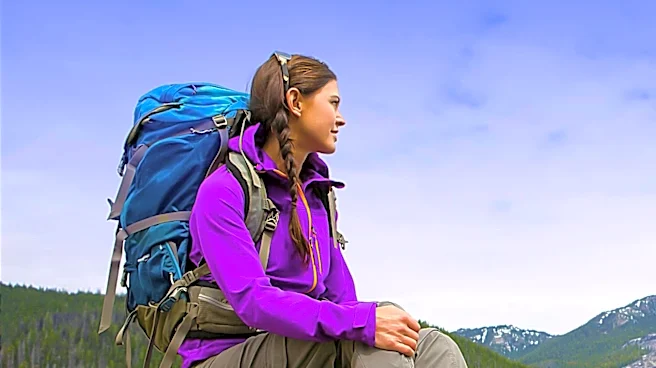
Adventure travel for women is gaining traction, with a focus on impactful, active, and slightly challenging experiences that are accessible across various age groups. This type of travel is defined by
personal effort, pushing comfort zones, and earning scenic views, rather than extreme sports. Options range from 'soft adventure' like guided hikes, sailing, kayaking, and safaris, to more challenging multi-day treks. The trend highlights the importance of choosing reputable operators with outdoor certifications, especially given higher safety risks and permitting requirements. Travelers are encouraged to invest in their own gear for comfort and safety. Popular destinations for women's adventure travel include national parks like Yosemite and the Grand Canyon for grand landscapes, and international locations like the Galapagos Islands for wildlife encounters. The planning process involves selecting an adventure style, destination, and 'anchor experience,' while considering seasons, permits, and operator reputations, particularly those with small group sizes and strong conservation records.
Why It's Important?
This growing segment of the travel industry signifies a shift towards more experiential and empowering vacation choices for women. It underscores the increasing demand for travel that combines physical activity with cultural immersion and personal growth. The emphasis on safety and quality operators highlights a maturing market where travelers prioritize expertise and responsible tourism. For the U.S. travel industry, this trend presents opportunities for specialized tour operators, gear manufacturers, and destinations offering diverse outdoor activities. National parks and other natural attractions stand to benefit from increased visitation, potentially boosting local economies. Furthermore, the focus on 'soft adventure' broadens the appeal of active travel, making it accessible to a wider demographic beyond extreme sports enthusiasts, thereby expanding the market for adventure tourism services and products.
What's Next?
The adventure travel sector is likely to see continued growth in offerings tailored specifically for women, including more diverse itineraries and specialized guides. Tour operators may further refine their safety protocols and certification requirements to meet the demands of this discerning market. There could be an increase in partnerships between travel companies and outdoor gear brands to offer comprehensive packages. Destinations, particularly those with significant natural landscapes like U.S. national parks, may develop more targeted marketing campaigns and infrastructure to accommodate this demographic. Additionally, the trend may lead to more resources and communities dedicated to helping women plan and execute adventure trips, fostering a supportive environment for female travelers seeking active and meaningful experiences.
Beyond the Headlines
The rise of women-focused adventure travel reflects broader societal shifts towards female empowerment and self-discovery. It challenges traditional notions of leisure travel, promoting physical and mental resilience. This movement also has ethical implications, as travelers are increasingly seeking operators committed to sustainability, wildlife conservation, and community engagement. The emphasis on small group travel and responsible tourism can foster deeper connections with local cultures and environments, moving beyond superficial tourism. Legally, the increased focus on safety and certifications may lead to more stringent regulations for adventure tour operators, ensuring higher standards across the industry. Culturally, it promotes a narrative of women as capable, adventurous, and independent explorers, inspiring others to step out of their comfort zones and engage with the natural world.