



What's Happening?
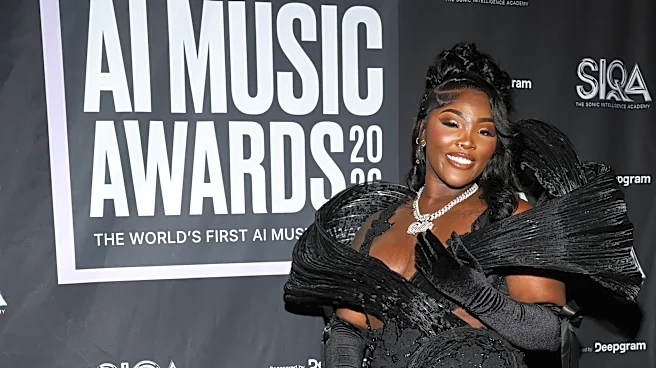
The first AI Music Awards ceremony in the U.S. took place in Los Angeles on November 13, specifically recognizing artists who create songs at least partly with AI. The Sonic Intelligence Academy (SIQA) organized the event to highlight AI music as a legitimate
art form. Artists registered tracks in SIQA’s Verified Registry, classifying them as fully AI-generated, AI-assisted, or human-and-AI hybrid. Xania Monet, an AI-generated R&B artist, secured three top honors: AI Artist of the Year, AI Song of the Year for 'How Was I Supposed to Know?', and AI Album of the Year. Telisha “Nikki” Jones wrote the lyrics for Monet, which were then set to music using AI. DJ Shawn Q was named Producer of the Year. The ceremony, despite facing technical issues like teleprompter failures and AI voice malfunctions, featured human hosts, live musicians, and a mix of AI-generated and human vocal performances. This event follows a 2022 incident where an AI-generated painting won an arts prize, sparking debate on AI's role in creative competitions.
Why It's Important?
The emergence of dedicated AI Music Awards signifies a pivotal moment in the music industry, challenging traditional notions of artistry and authorship. This development is important for U.S. industries as it could reshape how music is produced, distributed, and consumed. Record labels and human musicians have expressed concerns about AI-generated music potentially reducing opportunities for human creators and raising copyright issues, with major labels suing AI companies over alleged unauthorized use of copyrighted works for training models. Conversely, proponents argue that AI democratizes music creation, allowing individuals without traditional musical training to transform their ideas into songs. The awards establish a precedent for recognizing AI's creative contributions, potentially influencing future intellectual property laws and industry standards. The debate over whether AI-generated content 'counts' as real art will continue to evolve, impacting artists, legal frameworks, and the economic landscape of creative industries.
What's Next?
The recognition of AI-generated music through awards will likely accelerate the integration of AI into music production and performance. This could lead to increased investment in AI music technologies and the development of more sophisticated AI tools for artists. The ongoing legal battles concerning copyright infringement and the use of existing works to train AI models will continue to shape the regulatory environment for AI music. Industry stakeholders, including record labels, artists' unions, and technology companies, will need to collaborate to establish clear guidelines for AI's role in music creation, compensation, and intellectual property. Future music competitions and awards may increasingly incorporate categories for AI-assisted or fully AI-generated works, further legitimizing the art form. The technical challenges experienced during the inaugural ceremony also highlight the need for continued development and refinement of AI performance technologies.
Beyond the Headlines
The rise of AI-generated music and its formal recognition through awards touches upon deeper ethical and philosophical questions about creativity, authenticity, and the definition of art. If AI can produce award-winning music, it prompts a re-evaluation of the human element in artistic expression. This development could lead to a shift in how audiences perceive music, potentially valuing the creative concept or emotional impact over the traditional human performance aspect. It also raises questions about the future of human musicians and composers, who may need to adapt by integrating AI tools into their creative processes or focusing on unique human-centric aspects that AI cannot replicate. The ethical implications extend to the potential for AI to mimic or even surpass human creativity, leading to a redefinition of what it means to be an 'artist' in the digital age. This cultural shift could have long-term effects on education, employment, and the very fabric of creative industries.