






What's Happening?
A proposed class-action lawsuit has been filed in Quebec Superior Court against Driscoll's, a U.S. berry company. The lawsuit alleges that some of Driscoll's berries sold in Canada contained chemical residues exceeding permitted levels. The legal action claims
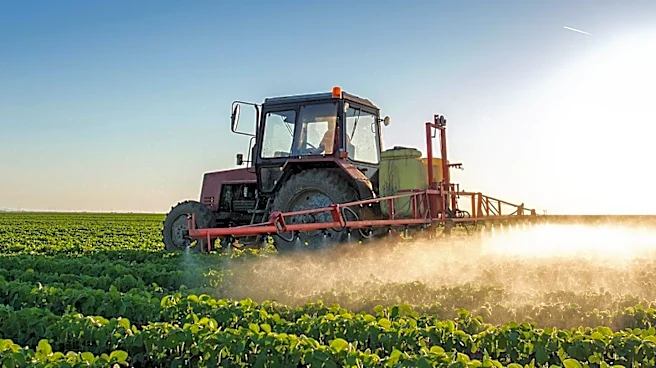
that Driscoll's failed to inform consumers about these pesticide residues or other chemicals in strawberries, raspberries, blackberries, and blueberries purchased in Quebec since January 1, 2022. The lawsuit suggests that millions of class members could be involved, with compensatory and punitive damages yet to be determined. The allegations are supported by claims from a former Driscoll's employee, David Harada, who stated that approximately half of the company's berry exports to Canada between 2022 and 2024 contained chemicals like bifenthrin, iprodione, and captan above Canadian limits. Furthermore, Canadian Food Inspection Agency (CFIA) inspections between 2022 and 2024 reportedly found fruit with chemical levels above thresholds, and the agency received reports of potential illnesses and chemical tastes associated with Driscoll's blueberries. The lawsuit also alleges that Driscoll's discontinued a product safety monitoring system in 2022 despite being notified of irregularities by regulatory bodies and buyers.
Why It's Important?
This class-action lawsuit against Driscoll's carries significant implications for the U.S. agricultural export industry, particularly for companies involved in fresh produce. If the allegations are proven, it could lead to substantial financial penalties for Driscoll's, including potentially millions in damages. Beyond the immediate financial impact, the lawsuit could damage the company's brand reputation and consumer trust, not only in Canada but also in the U.S. and other international markets. For U.S. consumers, while the lawsuit is filed in Canada, it raises questions about the consistency of food safety standards and monitoring practices for produce that is exported and domestically consumed. The case highlights the critical importance of stringent quality control and transparency regarding pesticide use in agricultural products, especially for widely consumed items like berries. It could also prompt increased scrutiny from regulatory bodies in other countries and potentially lead to stricter import regulations for U.S. produce, affecting the broader U.S. agricultural economy.
What's Next?
Driscoll's has publicly disputed the allegations, stating that its berries are safe to eat and that it employs testing, monitoring, and compliance procedures designed to meet Canadian regulatory requirements. The company has indicated its willingness to address these claims through the legal process, where underlying facts, data, and expert analysis can be thoroughly examined. The next step will involve the Quebec Superior Court deciding whether to authorize the proposed class action. If authorized, the legal proceedings will move forward, potentially involving extensive discovery and expert testimony. The outcome of this lawsuit could set precedents for how U.S. agricultural companies are held accountable for product safety in international markets. Consumers in Canada and potentially the U.S. may become more vigilant about the origin and safety of their produce, possibly influencing purchasing decisions and increasing demand for certified organic or pesticide-free options. Regulatory bodies in both countries may also review and potentially strengthen their oversight of imported and domestically produced fresh produce.
Beyond the Headlines
This lawsuit delves into the complex ethical and legal dimensions of food safety in a globalized market. It underscores the challenge for multinational food companies to navigate varying regulatory standards across different countries and the potential consequences of perceived non-compliance. The allegations of discontinuing a product safety monitoring system, if true, raise serious questions about corporate responsibility and the prioritization of profit over public health. The case also highlights the growing consumer demand for transparency regarding food production practices, particularly concerning pesticide use. In an era of heightened awareness about health and environmental impacts, such lawsuits can significantly influence consumer behavior and drive industry-wide changes towards more sustainable and safer agricultural practices. The long-term shift could be towards greater harmonization of international food safety standards and increased corporate accountability for the entire supply chain, from farm to consumer.