






What's Happening?
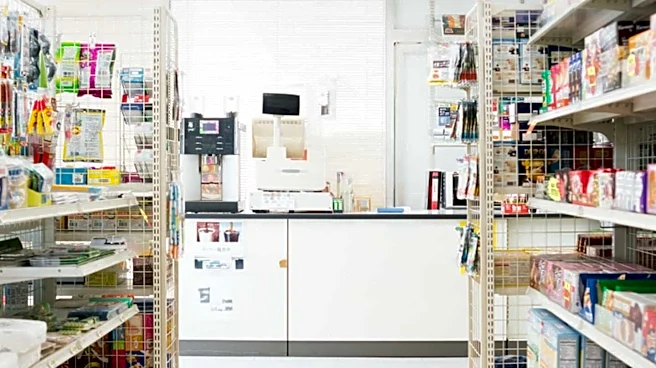
The growing use of GLP-1 weight-loss drugs is significantly altering consumer purchasing habits, prompting convenience stores in the U.S. to adapt their product offerings. Industry leaders, including Faheem Jamal of Chestnut Market, Tina May of CrossAmerica
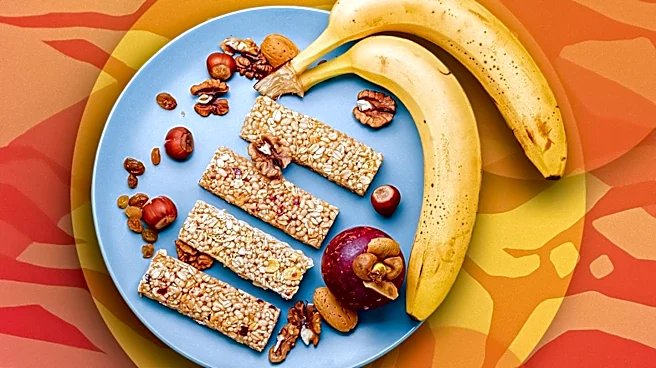
Partners, and Adam Sparks of G&M Oil Co., discussed these shifts at the CSP and Informa Connect’s Outlook Leadership event. In regions like the New York metro area, where health trends often emerge earlier, stores are already seeing a decline in traditional categories like carbonated soft drinks and candy bars. Conversely, sales of high-protein items, water, and no-sugar energy drinks are on the rise. While consumers are opting for healthier choices, this shift is proving more profitable for convenience stores, as protein bars and energy drinks often carry higher gross margins than their traditional counterparts. Retailers are monitoring sales trends and experimenting with new, healthier products, recognizing the need to offer appealing, smaller portions.
Why It's Important?
This trend is highly significant for the U.S. retail and food industries, particularly the convenience store sector. The widespread adoption of GLP-1 drugs is creating a substantial market shift, forcing businesses to re-evaluate their inventory and marketing strategies. This change impacts not only product selection but also profitability, as healthier items often yield better margins. It highlights a broader consumer movement towards health and wellness, accelerated by medical advancements. For manufacturers, it signals a need to innovate and produce more protein-rich, low-sugar, and smaller-portion options. Businesses that fail to adapt risk losing market share, while those that embrace these changes stand to gain a more profitable customer base. This also has implications for public health, as the availability of healthier options in convenience stores could support healthier eating habits among the general population, beyond just GLP-1 users.
What's Next?
Convenience stores are expected to continue monitoring sales data and consumer preferences to refine their product assortments. This will likely involve further expansion of high-protein snacks, healthier beverage options, and smaller-portioned items. Retailers may also increase their focus on fresh food offerings and deli cases to cater to the demand for more substantial, healthier meals. The industry will likely see more trial-and-error with limited-time offers (LTOs) to identify successful new products. Manufacturers will need to respond by developing innovative, palatable healthier alternatives that meet evolving consumer tastes. This trend could also lead to changes in store layouts and merchandising strategies, with greater prominence given to health-focused sections. The long-term impact could be a permanent transformation of the convenience store model, moving beyond its traditional image as a purveyor of indulgent snacks to a more health-conscious retail environment.
Beyond the Headlines
The impact of GLP-1 drugs on consumer behavior extends beyond convenience stores, potentially influencing the entire food ecosystem. This medical intervention is creating a 'health halo' effect, where even non-users may be inspired to make healthier choices. This could lead to a broader societal re-evaluation of dietary norms and portion sizes. Ethically, it raises questions about equitable access to both GLP-1 drugs and affordable healthy food options. The shift also highlights the dynamic interplay between medical science, consumer behavior, and economic markets. It could accelerate the decline of certain legacy food and beverage categories, while fostering innovation in functional foods and nutritional science. The long-term cultural implications might include a greater emphasis on mindful eating and a redefinition of 'treats' to include smaller, higher-quality indulgences, even for those on weight-loss medications.