
What's Happening?
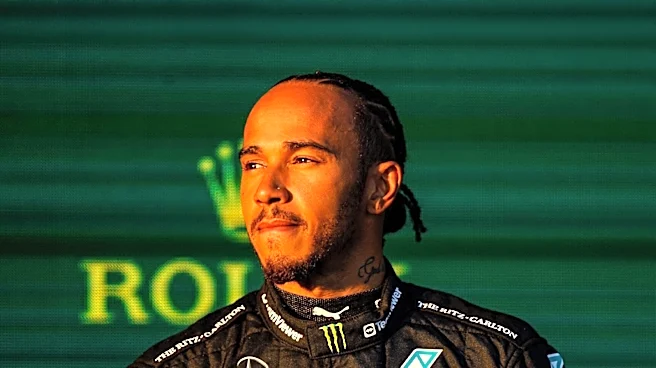
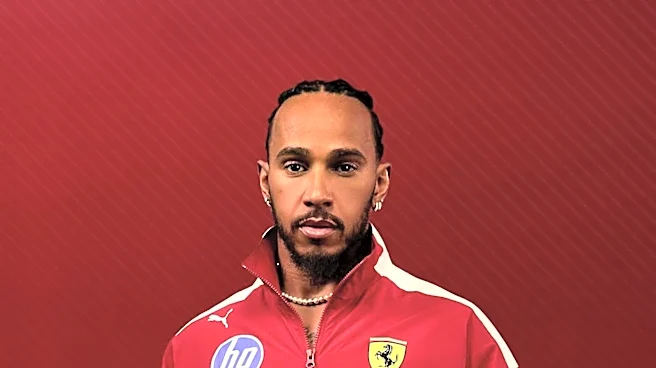
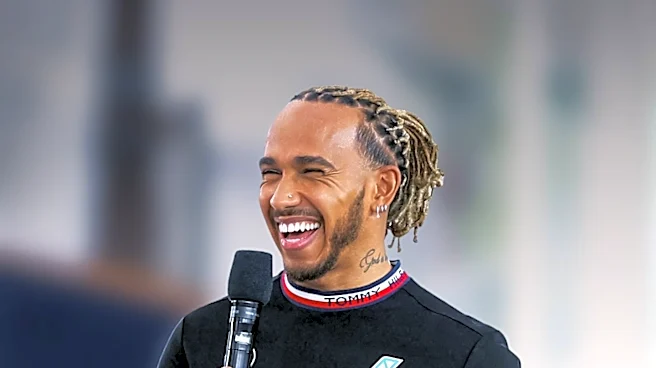
Seven-time world champion Lewis Hamilton has publicly criticized former Formula 1 drivers for their harsh commentary and lack of empathy towards younger drivers entering the sport. Hamilton's remarks follow
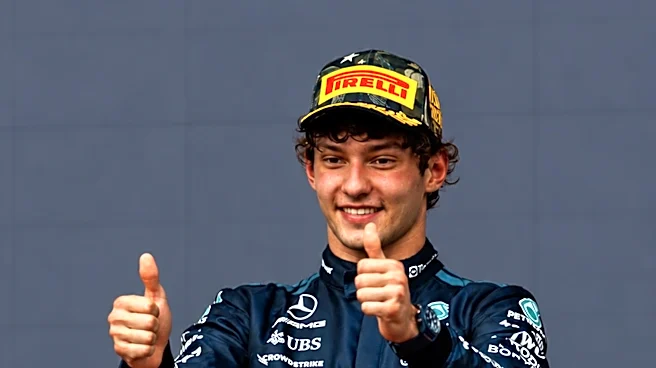
Kimi Antonelli's achievement of becoming the youngest Formula 1 champion, alongside other talented young drivers like Isack Hadjar, Gabriel Bortoleto, Oliver Bearman, and Arvid Lindblad. Hamilton expressed pride in the new generation of F1 drivers, while simultaneously condemning ex-drivers for 'talking smack' and seemingly forgetting the challenges they themselves faced early in their careers. He emphasized his desire not to become that type of driver and praised the resilience, humility, and grace with which young drivers navigate the pressures and setbacks inherent in the sport. Hamilton highlighted the significant challenges involved in reaching and maintaining a position in Formula 1, including dealing with failures and continuously striving to improve.
Why It's Important?
Hamilton's comments shed light on a recurring issue within competitive sports, particularly Formula 1, where established figures often critique newcomers. This dynamic can significantly impact the mental well-being and development of young athletes. His stance, coming from a highly respected and successful figure in the sport, could encourage a more supportive environment for emerging talent. A more empathetic approach from former drivers and commentators could foster healthier competition and allow young drivers to develop without undue pressure, potentially leading to a stronger and more diverse talent pool in the future. Conversely, continued harsh criticism could deter promising individuals, affecting the sport's long-term vitality and appeal. The debate also touches upon the responsibility of veteran athletes to mentor and inspire, rather than simply criticize, the next generation.
What's Next?
It remains to be seen whether Hamilton's public criticism will lead to a shift in how former Formula 1 drivers and media personalities approach their commentary on rookies. His remarks might spark further discussion within the F1 community regarding the role of veteran drivers and the tone of sports analysis. Younger drivers may feel more validated and supported by Hamilton's words, potentially boosting their confidence. Conversely, some former drivers might defend their critical approach, arguing it's part of the competitive nature of the sport. The ongoing dialogue could influence future media coverage and internal team dynamics, potentially leading to a more constructive environment for driver development. The focus on empathy could also extend to broader discussions about mental health in high-pressure sports.
Beyond the Headlines
This situation extends beyond mere sports commentary, touching upon broader themes of mentorship, intergenerational dynamics, and the psychological pressures of high-stakes professions. Hamilton's call for empathy highlights the often-overlooked human element in elite sports, where athletes are not just performers but individuals facing immense scrutiny and pressure. The 'talking smack' phenomenon can be seen as a form of gatekeeping or a lack of understanding of evolving challenges in a rapidly changing sport. This discussion could prompt a re-evaluation of how success is defined and how experienced professionals can best contribute to the growth of their field, fostering a culture of support rather than one of constant critique. It also underscores the importance of resilience and mental fortitude for young individuals entering highly competitive fields.