









What's Happening?
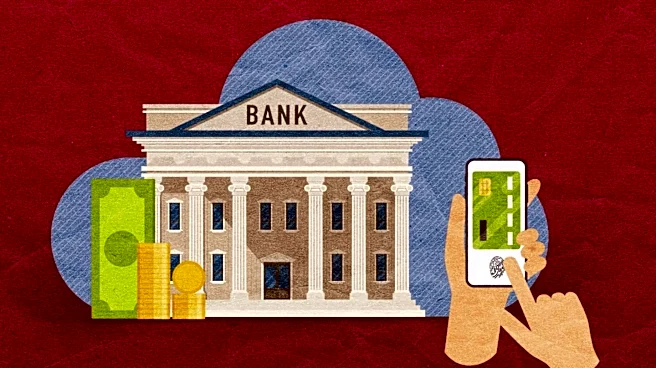
A recent report, 'Kids & Money,' based on a YouGov survey of nearly 4,000 children across the U.S., UK, and Hong Kong, reveals that 72% of American children aged 8 to 15 keep their money outside traditional banking institutions. This amounts to approximately
23 million children holding an estimated $28-$30 billion. Their money is often stored in shoeboxes, piggy banks, or increasingly, in apps developed by fintech companies. The report indicates that by age 15, over half of American children still do not use a bank for their savings. This trend suggests that the first money habits of these future customers are forming outside the traditional banking ecosystem, with fintechs actively engaging this demographic. British banks, such as Barclays and NatWest, have already responded by acquiring youth-focused financial apps to secure these relationships early.
Why It's Important?
This shift in children's money habits presents a significant long-term challenge for U.S. traditional banks. The 'cheapest customer a bank will ever acquire is the child of a customer it already has,' yet banks are failing to capture this demographic. If children's initial financial experiences are with fintechs, they may have no reason to transition to traditional banks as adults, leading to a loss of future checking customers, student loan applicants, and other financial service users. Traditional institutions possess inherent advantages like trust, security, and FDIC insurance, which parents prioritize. However, they are currently underselling these benefits and losing out on valuable data and relationship-building opportunities that fintechs are capitalizing on through their apps.
What's Next?
U.S. banks face a critical juncture where they must actively engage with younger demographics to secure future customer relationships. Strategies could involve either acquiring existing youth-focused fintech apps, similar to actions taken by British banks, or developing their own youth-centric products. The goal is to own the brand, the customer relationship, and the data from an early age, enabling cross-selling opportunities as these individuals mature. Banks need to leverage their existing trust and security advantages to attract parents to open accounts for their children, emphasizing the long-term benefits of traditional banking. Failure to adapt could result in a continued erosion of their future customer base to agile fintech competitors.
Beyond the Headlines
The trend of children using fintechs for their money management highlights a broader societal shift towards digital-first financial interactions. This development not only impacts the banking industry but also influences financial literacy and consumer expectations from a young age. As children grow up accustomed to seamless app-based financial services, their demands on traditional banks will likely increase, pushing for more intuitive and integrated digital experiences. This also raises questions about data privacy and financial education within these new digital platforms, as fintechs gain access to valuable spending data. The long-term implications could reshape the entire financial services landscape, emphasizing the need for banks to innovate beyond traditional offerings and embrace a household-centric approach to banking.