







What's Happening?
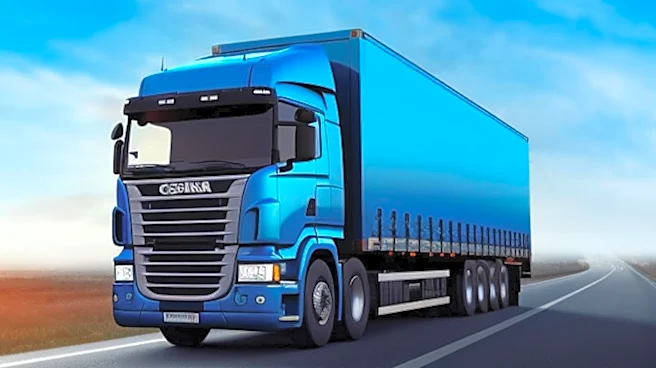
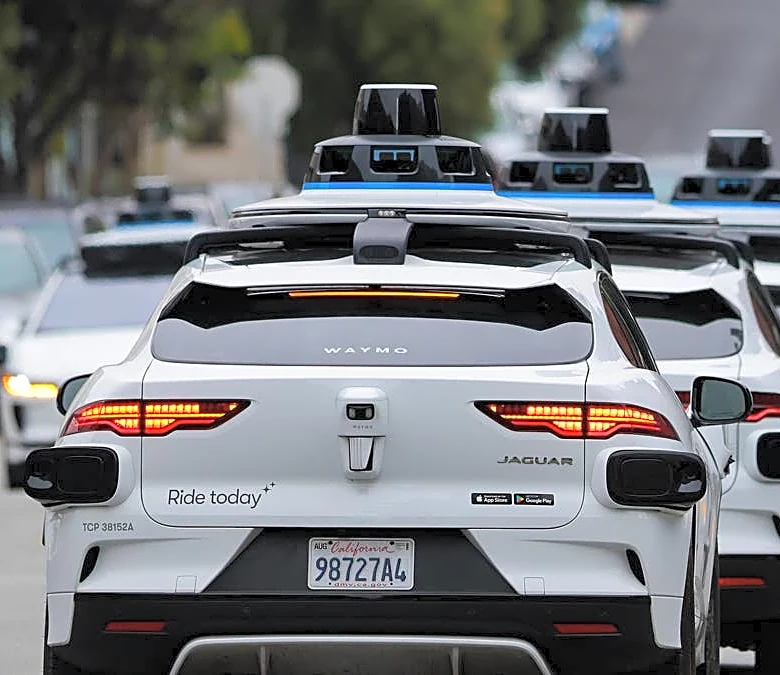
Singapore logistics companies are increasingly adopting artificial intelligence (AI) to manage their fleets more efficiently. With the high cost of vehicle ownership in Singapore, companies are turning to AI-powered fleet management systems to optimize
routes, track vehicle performance, and reduce idle time. This approach allows them to maximize the use of existing vehicles rather than investing in new ones. According to Roger Calisto, CEO of Cartrack Technologies Asia Pte. Ltd., the focus is on ensuring assets are utilized to their maximum capacity. Analysts note that AI helps improve route planning and reduce empty travel, while also enhancing driver safety through fatigue and distraction detection. Despite the benefits, high implementation costs and a resistance to change remain challenges for some companies.
Why It's Important?
The integration of AI in fleet management is significant as it addresses the economic pressures faced by logistics companies in Singapore, where vehicle costs are prohibitive. By optimizing existing resources, companies can improve operational efficiency and reduce costs, which is crucial in a competitive market. This technological shift also highlights the broader trend of digital transformation in logistics, which can lead to improved service delivery and customer satisfaction. However, the high cost of AI systems and the need for a mindset shift among operators pose challenges that could slow adoption, particularly among smaller enterprises.
What's Next?
As AI technology continues to evolve, logistics companies may increasingly adopt these systems to stay competitive. Future developments could include more advanced predictive analytics for maintenance and demand forecasting, further enhancing efficiency. Companies that overcome the initial cost and mindset barriers may gain a competitive edge. Additionally, as AI becomes more accessible, smaller companies might also begin to implement these technologies, potentially leading to industry-wide improvements in logistics operations.