






What's Happening?
Embarking on a winter cruise from New York City terminals, such as the Manhattan Cruise Terminal or Cape Liberty in Bayonne, New Jersey, necessitates specific preparations due to cold waterfront conditions and potential weather-related disruptions. Passengers
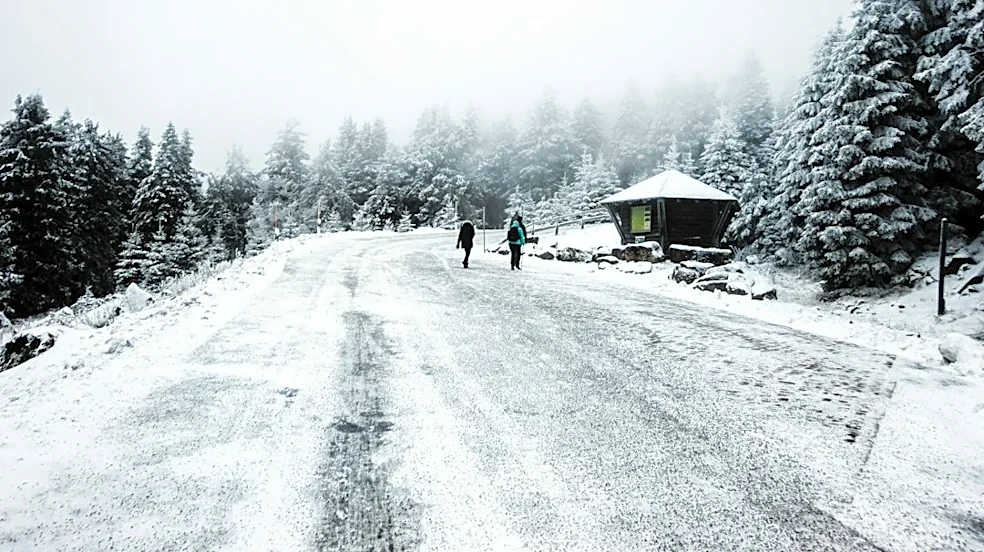
should anticipate outdoor waiting during luggage drop-off and terminal entry, where wind chill can significantly lower perceived temperatures. The guide emphasizes the importance of checking local weather forecasts for temperature, wind speed, and precipitation to plan appropriate layering. It also advises on transportation options, noting that winter weather can affect travel times and accessibility to terminals. Essential items for carry-on bags include travel documents in waterproof pouches, essential medications, a change of clothes, and hand warmers. For checked luggage, passengers are advised to use sealed bags or waterproof liners to protect contents from moisture. The article highlights that while indoor check-in areas exist, outdoor exposure is often unavoidable, making proper attire crucial for a comfortable embarkation experience.
Why It's Important?
This information is crucial for U.S. travelers planning winter cruises from the New York metropolitan area, as inadequate preparation can lead to discomfort, health risks, and travel complications. The guidance helps passengers mitigate the challenges posed by cold weather, ensuring a smoother start to their vacation. By detailing packing strategies, arrival timing, and contingency plans for weather delays, the advice aims to enhance passenger safety and satisfaction. For cruise lines and terminal operators, well-prepared passengers can contribute to more efficient embarkation processes, reducing potential bottlenecks and complaints. The emphasis on protecting belongings from moisture also prevents damage to personal items, which can be a significant source of frustration for travelers. Ultimately, understanding these specific winter embarkation challenges helps both consumers and the travel industry manage expectations and deliver a better travel experience during the colder months.
What's Next?
Travelers planning winter cruises from NYC should immediately begin monitoring weather forecasts for their embarkation day and review their cruise line's specific instructions regarding arrival windows and check-in procedures. They should also prepare their packing list according to the recommendations, prioritizing warm, waterproof layers and essential carry-on items. Cruise lines and terminal operators may continue to issue advisories or update their procedures in response to severe weather forecasts, so passengers must stay vigilant for communications via email or cruise line apps. It is also advisable for passengers to have a contingency plan, such as identifying a warm indoor location near the terminal, in case of unexpected delays. As winter approaches, the demand for such practical advice will likely increase, prompting more travelers to seek out detailed guides for cold-weather cruise departures.
Beyond the Headlines
The detailed advice for winter cruise embarkation from NYC underscores a broader trend in the travel industry: the increasing need for hyper-specific, localized guidance to enhance traveler experience and safety. Beyond the immediate practicalities, this highlights the evolving expectations of travelers who seek comprehensive information to navigate complex travel scenarios. It also points to the growing importance of resilience in travel planning, where anticipating and mitigating risks associated with weather and logistics becomes as crucial as booking the trip itself. This level of detail can also influence how travel insurance products are designed and marketed, potentially leading to more specialized coverage for weather-related disruptions during embarkation. Furthermore, it reflects a shift towards more proactive communication from travel providers, aiming to empower travelers with the knowledge needed to manage their journeys effectively, especially in challenging environmental conditions.