



What's Happening?
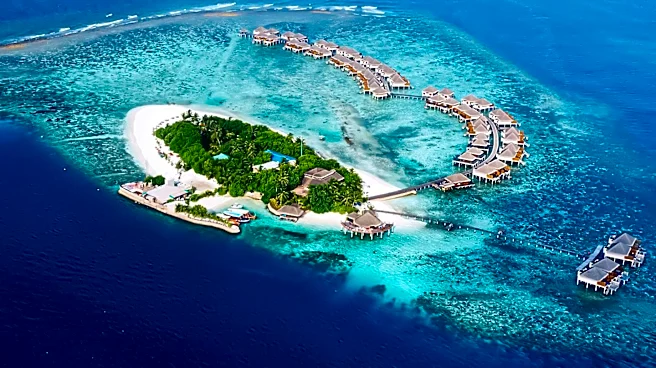
Four Seasons Resort Maldives at Kuda Huraa has launched ŪRJĀ Naturopathy Island, a new wellness destination focused on combining naturopathic principles with scientific expertise for guest restoration and well-being. Named after the Sanskrit word for vitality,
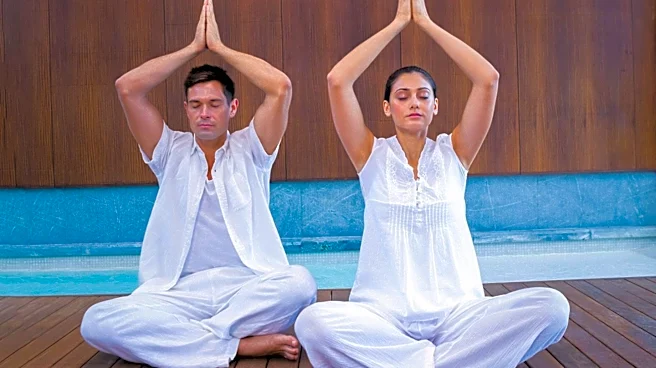
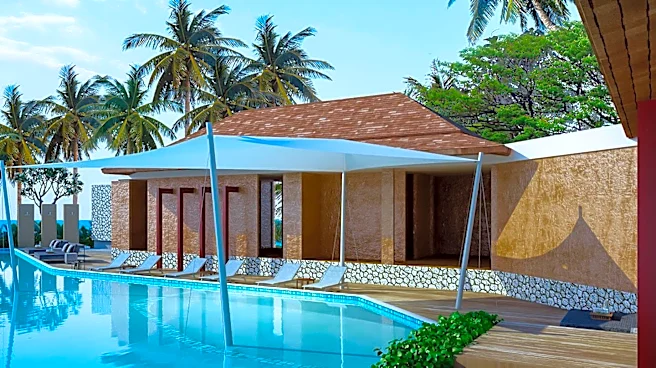
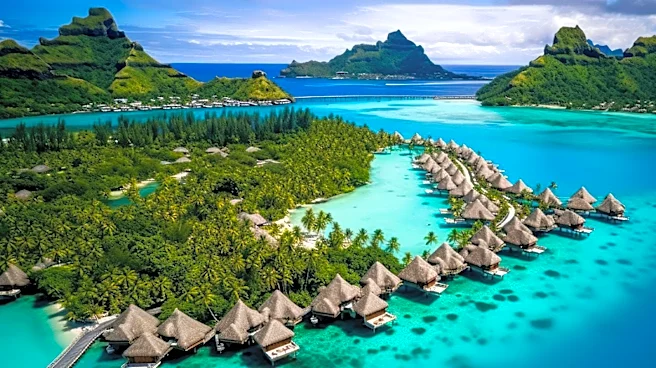
ŪRJĀ aims to provide long-term health benefits rather than short-term relaxation. The island offers personalized approaches to wellness, starting with naturopathic consultations and optional diagnostics such as micronutrient scans, iris diagnosis, and postural mapping. Guests can choose from four core wellness pathways: Rest & Rebalance, Cleanse, Nourish, and Reconnect. The treatments available include mud therapy, heliotherapy, sound healing, acupuncture, yoga therapy, and full-body alignment rituals. Specialized programs address specific areas like sleep, liver health, and joint care. The destination is accessible by traditional Maldivian dhoni and features over-water treatment suites and open-air experiences designed to connect guests with nature and the surrounding ocean. The philosophy behind ŪRJĀ emphasizes knowledge, education, and integrity, moving beyond fleeting wellness trends to offer genuine, ongoing healing.
Why It's Important?
The introduction of ŪRJĀ Naturopathy Island by Four Seasons Maldives signifies a growing trend in the global hospitality industry towards deeper, more personalized wellness experiences. This shift reflects an evolving understanding of luxury, where guests increasingly prioritize feeling restored and genuinely well over superficial comforts. The wellness tourism market is projected to reach $2.4 trillion by 2035, indicating a significant opportunity for hospitality leaders to cater to this demand. Travelers, often overstimulated and sleep-deprived, are seeking opportunities to slow down, optimize sleep, and reconnect with themselves. By offering comprehensive naturopathic programs, Four Seasons is positioning itself at the forefront of this movement, attracting a clientele that values long-term health and sustainable habits. This trend impacts the U.S. market by setting new standards for luxury travel and wellness offerings, potentially influencing how American resorts and hotels develop their own health-focused programs to meet similar consumer expectations. The emphasis on personalized care and integration of ancient wisdom with modern science could also inspire new approaches to health and well-being services within the U.S.
What's Next?
The success of ŪRJĀ Naturopathy Island is likely to encourage other high-end resorts globally, including those catering to the U.S. market, to expand their wellness offerings beyond traditional spa services. We can anticipate a continued integration of personalized wellness programs, sleep optimization, and naturopathic treatments into luxury travel experiences. Resorts may invest further in expert consultations, diagnostic tools, and specialized pathways focusing on specific health concerns like sleep enhancement and detoxification. The emphasis on connecting guests with nature and incorporating elements like sound healing and yoga therapy will likely become more prevalent. Furthermore, the focus on imparting knowledge and practical tools for guests to maintain well-being after their stay suggests a future where hospitality aims to foster sustainable healthy habits. This could lead to partnerships with wellness technology providers or the development of proprietary programs that extend the guest experience beyond the physical stay, potentially through digital platforms or follow-up support.
Beyond the Headlines
This development highlights a broader cultural shift where wellness is no longer a niche pursuit but a fundamental aspect of modern life and travel. The move towards 'nervous-system care' and away from mere 'self-care' indicates a deeper understanding of human needs in an increasingly demanding world. The integration of ancient healing systems with scientific expertise, as seen at ŪRJĀ, reflects a desire for holistic solutions that address the root causes of imbalance. This trend also touches upon the ethical dimension of hospitality, as resorts take on a more active role in promoting guests' long-term health and well-being. The focus on digital detox and reconnecting with nature underscores a growing awareness of the negative impacts of constant connectivity and the importance of stillness and reflection. This could lead to a re-evaluation of how technology is used within hospitality, with a greater emphasis on tools that support mindfulness and relaxation rather than constant stimulation. Ultimately, this evolution in wellness tourism suggests a future where travel is not just about escape, but about profound personal transformation and sustained vitality.