






What's Happening?
A new study by Bain & Co. and Altagamma reveals a shift in luxury spending, with a focus on experiences over goods. After two years of decline, luxury goods sales are expected to grow by 1% to 4% in 2026, reaching up to $422.7 billion. The U.S. leads
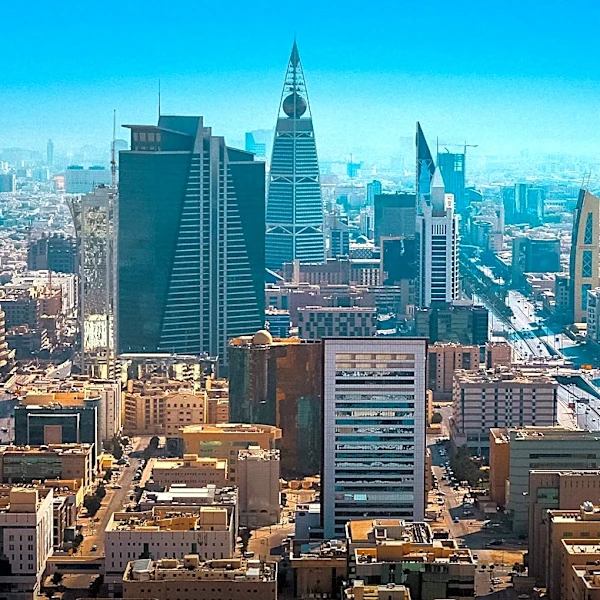
in luxury goods growth, driven by aspirational consumers. However, the report highlights a growing trend towards spending on travel, events, and dining, termed 'inheritourism,' where wealthy families travel together, and Gen Z adopts their parents' travel preferences. This shift is attributed to a desire for personal and authentic experiences, with experiential spending projected to grow by 3% to 7%. The Middle East's luxury market remains affected by regional tensions, but potential stabilization and increased demand from China could boost sales.
Why It's Important?
The shift towards experiential luxury spending reflects changing consumer priorities, emphasizing personal fulfillment over material status. This trend could reshape the luxury market, influencing how brands target consumers and allocate resources. The U.S.'s leading position in luxury growth underscores its economic resilience and consumer confidence. However, the ongoing instability in the Middle East and its impact on luxury markets highlight the interconnectedness of global economies. The rise of 'inheritourism' also suggests a generational shift in spending habits, with younger consumers valuing experiences over possessions, potentially influencing future market strategies.
Beyond the Headlines
The emphasis on experiences over goods may lead to long-term changes in the luxury industry, with brands investing more in experiential offerings. This trend could also impact related sectors, such as travel and hospitality, as they cater to the growing demand for unique experiences. Additionally, the focus on 'inheritourism' highlights the role of family dynamics in shaping consumer behavior, suggesting that brands may need to consider multi-generational marketing strategies. The luxury market's evolution towards experiences could also reflect broader societal shifts towards sustainability and minimalism, as consumers seek meaningful and environmentally conscious ways to spend.