

What's Happening?
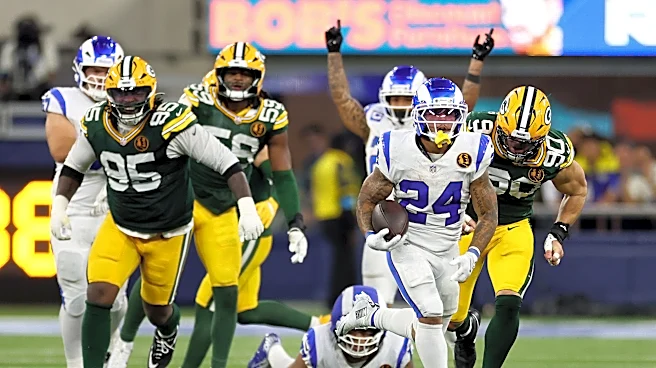
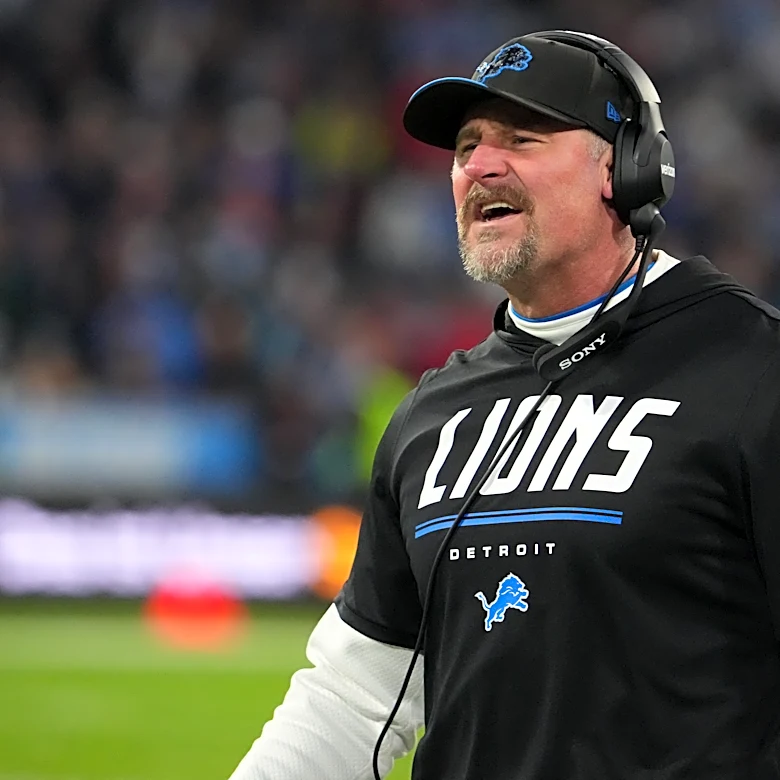
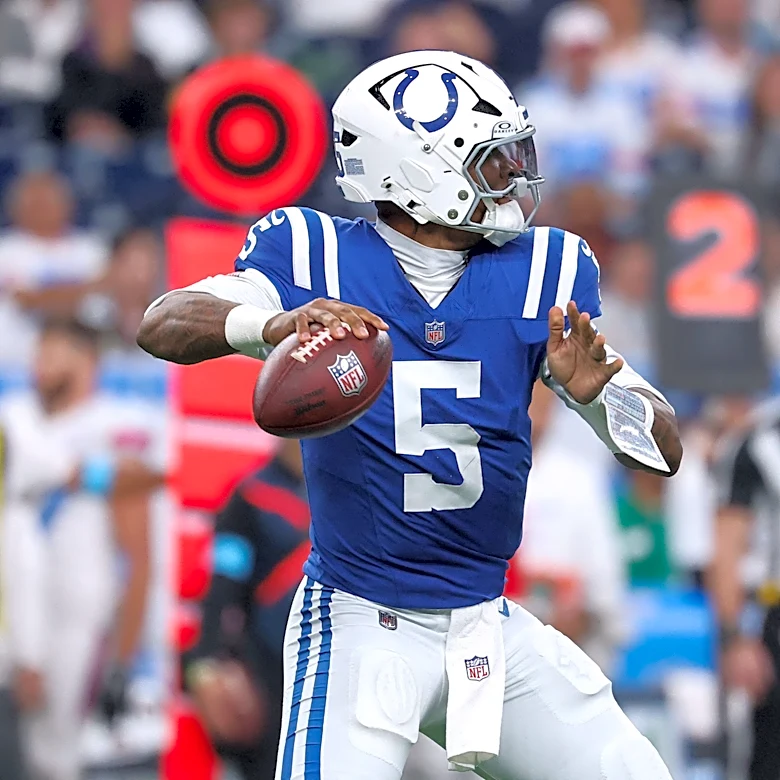
Netflix is significantly expanding its live sports and entertainment offerings, highlighted by its first Thanksgiving Eve NFL game. This event is part of an expanded agreement with the NFL that extends through the 2029 season. According to Carole Horst
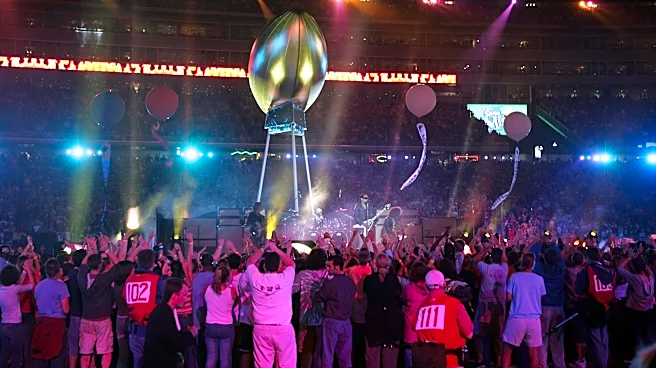
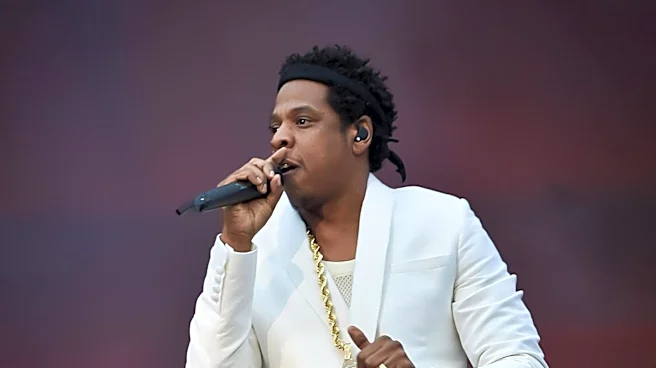
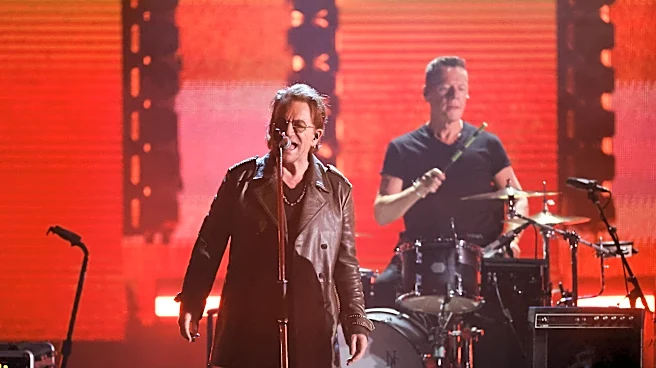
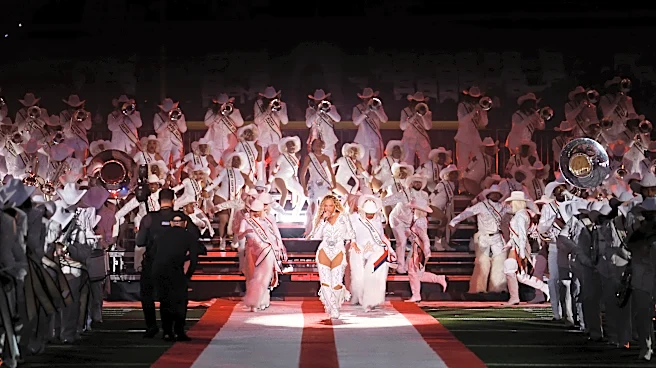
of VARIETY, Netflix is also preparing to host two World Cups in the next five years, with the 2027 FIFA Women’s World Cup in Brazil being described by Netflix VP of Global Live Sports and Entertainment Gabe Spitzer as their 'most ambitious project' to date. The streaming giant aims to create 'lasting moments' and establish itself as a premier destination for top games and entertainment, integrating high-profile musical acts like U2 for halftime shows and celebrity chefs like David Chang for pregame segments. This strategy is seen as a blend of live event and sports content, designed to drive global subscriptions and enhance Netflix's bottom line.
Why It's Important?
This strategic shift by Netflix is important as it signifies a major move into live sports, a domain traditionally dominated by linear television. By securing NFL games and future World Cups, Netflix is directly competing for a share of the live viewership market, which is crucial for subscriber retention and acquisition in an increasingly competitive streaming landscape. The emphasis on 'event-sized moments' with musical performances and celebrity integrations reflects an understanding of evolving audience preferences, particularly among younger demographics like Gen Z, who, according to a USC Annenberg study, are drawn to sporting events by concerts and brand activations as much as by the games themselves. This approach could redefine how live sports content is consumed and monetized, potentially impacting traditional broadcasters and sports leagues by offering new distribution channels and revenue streams.
What's Next?
Netflix will continue to leverage its expanded NFL agreement, with the Thanksgiving Eve game serving as a precursor to more ambitious live sports endeavors, including the 2027 FIFA Women’s World Cup. The company plans to apply 'lessons learned' from staging NFL games to these future global tournaments. The NFL, in turn, is actively pursuing a strategy of 'cultural diplomacy' by integrating music and entertainment into its games, aiming to elevate them into broader cultural events. This collaboration between Netflix and the NFL suggests a future where live sports and entertainment are increasingly intertwined, with streaming platforms playing a more central role in delivering these experiences to a global audience. The success of these ventures will likely influence further investments in live content across the streaming industry.
Beyond the Headlines
The aggressive push by Netflix into live sports and entertainment raises questions about the potential for market oversaturation and brand fatigue, as noted by Tara Sullivan of the BOSTON GLOBE. With an expanded NFL schedule that includes games on multiple days of the week, there's a risk that the 'unique excitement' once associated with marquee national games could diminish. This trend could lead to a 'law of diminishing returns,' potentially impacting the long-term value and appeal of sports content. Furthermore, the strategy of blending sports with entertainment, while appealing to younger audiences, could alter the traditional viewing experience for sports purists. The move also highlights the ongoing battle for viewer attention and subscription dollars, pushing streaming services to innovate beyond on-demand content to maintain their competitive edge.