






What's Happening?
Lewis Hamilton, a prominent Formula 1 driver, has voiced his disapproval of modern F1 circuit designs, specifically the increasing prevalence of tarmacked run-off areas at corners. Hamilton, who began his F1 career in 2007, expressed a preference for
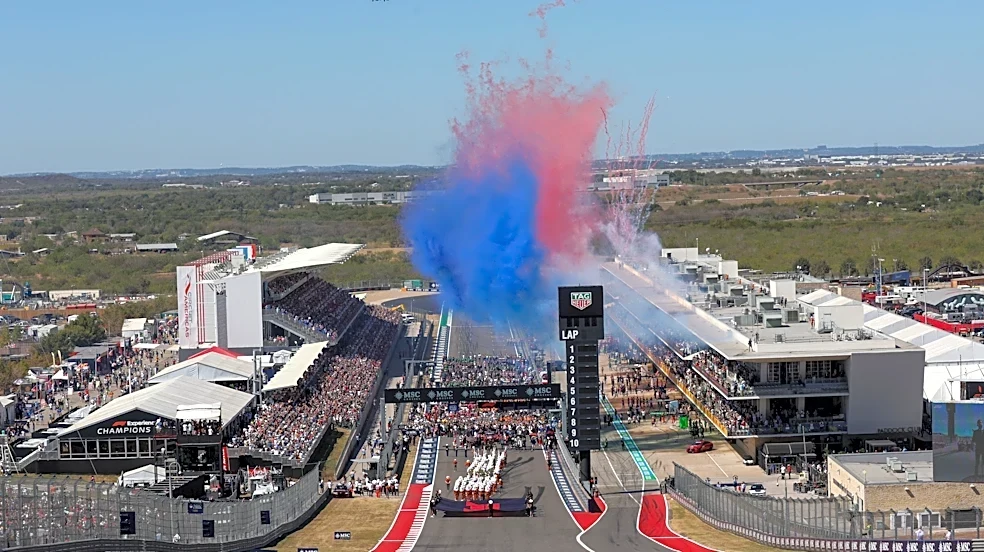
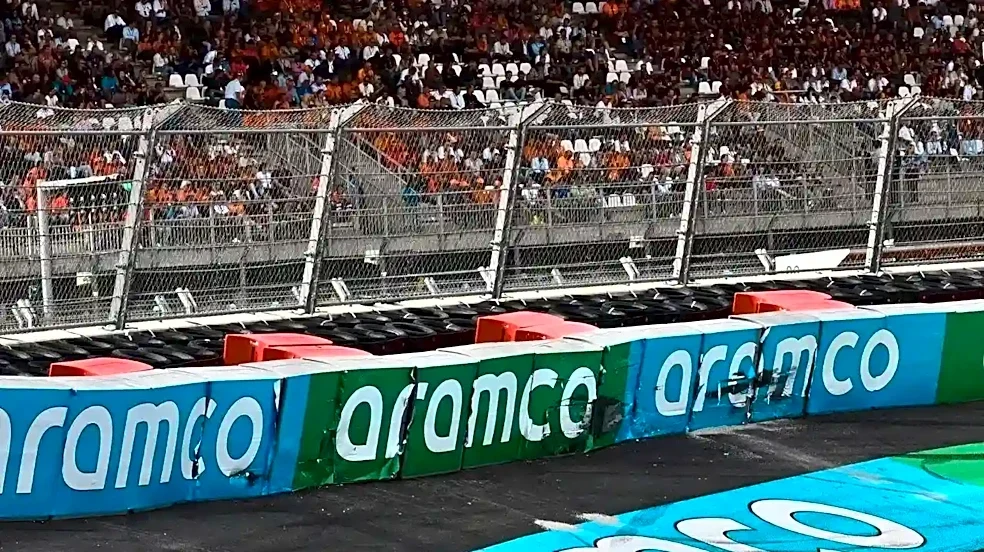
the older track layouts that featured grass and gravel run-offs. He noted that many newer circuits, such as Austin's Circuit of the Americas, have adopted these asphalt run-off zones. While tarmac allows drivers to rejoin the track without significant damage after running wide, Hamilton misses the era when such errors were more penalizing. He also reflected on the physical demands of F1, citing his rookie year and the 2020 season—when cars had the most downforce—as the most physically challenging periods of his career. The shift to tarmac run-offs is partly attributed to practical costs, as circuits often host multiple racing series with varying track limit requirements, making reconfigurations time-consuming and expensive.
Why It's Important?
Hamilton's critique highlights a broader debate within motorsport regarding safety versus challenge and tradition. The move towards tarmac run-offs is primarily driven by safety concerns, as gravel and grass can cause significant damage to cars and potentially lead to more severe accidents. However, critics like Hamilton argue that these changes reduce the penalty for driver errors, potentially diminishing the skill and precision required at the highest levels of racing. This shift impacts the strategic approach of drivers and teams, as the consequences of exceeding track limits are less severe. For circuit owners and organizers, the decision involves balancing safety regulations, operational costs, and the desire to maintain exciting and challenging races. The ongoing evolution of track design reflects a tension between modern safety standards and the traditional elements that many long-time fans and drivers value in Formula 1.
What's Next?
While Hamilton's comments reflect a personal preference, they contribute to an ongoing discussion within Formula 1 about track design philosophy. It is unlikely that there will be an immediate reversal of the trend towards tarmac run-offs, given the prevailing emphasis on driver safety and the practical considerations for multi-series venues. However, such high-profile critiques from influential figures like Hamilton could prompt further dialogue among the FIA, circuit designers, and teams regarding future track modifications or the design of new circuits. The debate may lead to innovations that attempt to balance safety with increased challenge, perhaps through different types of run-off materials or varied track limit enforcement. Future circuit designs might explore hybrid solutions or more nuanced approaches to run-off areas to address both safety and the desire for more demanding racing environments.
Beyond the Headlines
The discussion around track run-offs extends beyond mere aesthetics or driver preference; it touches upon the very essence of motorsport competition. The 'risk-averse' nature Hamilton describes can be seen as part of a broader trend in sports to minimize danger, which, while laudable for athlete well-being, can sometimes dilute the perceived heroism and skill involved. The evolution of F1 tracks reflects a societal shift towards prioritizing safety above all else, which has profound implications for how sports are perceived and consumed. It raises questions about whether the pursuit of absolute safety inadvertently removes elements of unpredictability and consequence that have historically defined the sport. This ongoing tension between safety innovation and preserving the 'edge' of extreme sports will likely continue to shape the future of Formula 1 and other high-speed racing disciplines.