
What's Happening?
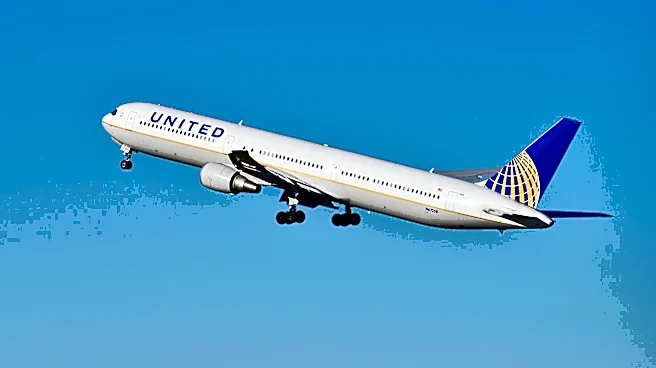
United Airlines is expanding its premium Boeing 787-9 'Elevated' cabin network, introducing the aircraft on the San Francisco–Sydney route starting December 2026. This move signifies a broader trend in global
aviation where airlines are increasing premium seating and enhancing business-class products to cater to high-value long-haul travelers. The specially configured Boeing 787-9 will initially operate three weekly flights from San Francisco International Airport (SFO) to Sydney Kingsford Smith Airport (SYD, Australia), increasing to daily service by December 17 during the peak holiday season. This 'Elevated' configuration significantly reduces total passenger capacity from 257 to 222 but substantially increases premium seating, featuring 64 Polaris business-class seats (including eight larger Polaris Studio suites) and 35 premium economy seats. This strategy prioritizes premium demand over maximizing economy seats, reflecting a response to changing traveler behavior where international passengers are increasingly willing to pay for enhanced comfort, privacy, and onboard services on long journeys.
Why It's Important?
This expansion by United Airlines is important as it places Australia at the center of a growing premium travel competition, connecting two major aviation markets and highlighting the rising demand for premium cabins on long-distance routes between North America and the Asia-Pacific region. The airline's focus on unit cost efficiency and premium passenger spending on the same routes, as evidenced by its recent receipt of the Airbus A321XLR with GTF Advantage engines and expanded in-flight entertainment, indicates a strategic shift towards higher-value offerings. This move intensifies competition with other major airlines like Qantas, Singapore Airlines, Gulf carriers, and European airlines, all of whom are investing heavily in luxury long-haul travel. For U.S. travelers, this means more options for premium experiences on international flights, particularly to the Asia-Pacific region, and a potential increase in the overall quality of long-haul air travel as airlines vie for high-spending customers. The emphasis on premium cabins also suggests a shift in airline profitability models, moving away from a simple capacity race to focusing on revenue quality through fewer seats with higher-value passengers.
What's Next?
United Airlines' premium Boeing 787-9 network is set to expand further, with Sydney becoming the ninth destination for this 'Elevated' fleet. The aircraft already operates or is scheduled for routes connecting the United States with major international markets, including London Heathrow, Seoul Incheon, Singapore, Zurich, São Paulo, and Tokyo Narita. This expansion will likely continue to intensify competition in the global aviation market, pushing other carriers to further upgrade their luxury travel offerings. Travelers can expect more segmented international journeys, with increasing choices between traditional economy-focused aircraft, premium economy cabins, dedicated business-class-heavy aircraft, and private-style suites on selected routes. The long-term trend suggests that aircraft selection will become an increasingly important factor for long-distance travelers, especially between North America, Australia, and Asia, as airlines continue to prioritize comfort, convenience, and enhanced experiences. The focus will remain on integrating new technology smoothly within modernization programs while maintaining reliability and customer satisfaction.
Beyond the Headlines
The shift towards premium-heavy aircraft configurations, as exemplified by United Airlines' Boeing 787-9 expansion, reflects a deeper transformation in the airline industry's understanding of passenger value. It highlights a recognition that for certain segments of travelers, the 'how' of the journey is as important as the 'where.' This trend could lead to a more stratified air travel experience, where the gap between economy and premium offerings widens, potentially impacting accessibility for budget-conscious travelers on long-haul routes. Ethically, this raises questions about equitable access to efficient and comfortable long-distance travel. Culturally, it signifies a growing demand for personalized and luxurious experiences, even in transit, mirroring broader societal trends towards premiumization in various consumer sectors. The long-term implication is a potential reshaping of airport infrastructure and airline service models to better accommodate and market these high-value offerings, potentially leading to a more exclusive and tailored travel ecosystem for those willing and able to pay.