



What's Happening?
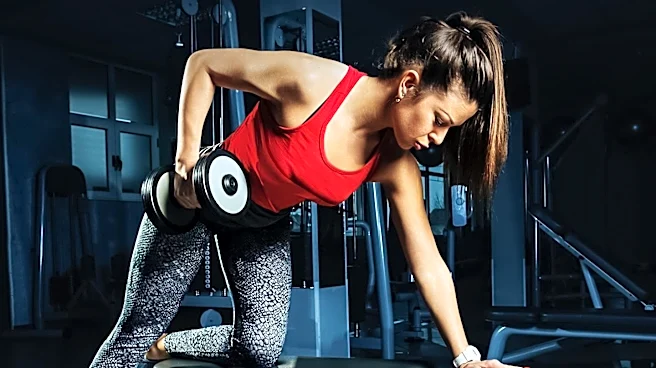
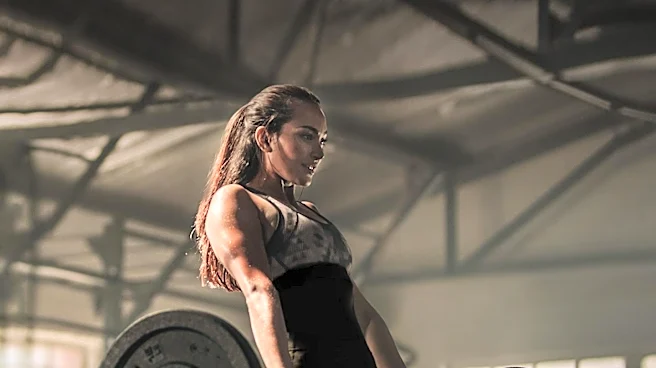
A beginner's guide to lifting weights aims to alleviate anxiety many women experience when entering a gym, particularly in male-dominated weight rooms. The guide, written by a student from Her Campus at CU Boulder, acknowledges fears of harassment, judgment,
and uncertainty about equipment and proper form. It emphasizes the significant health benefits of muscular hypertrophy, including increased strength, reduced injury risk, improved heart health, enhanced mobility, better mental health, and stronger bones. The article highlights that women are less likely than men to meet recommended physical activity guidelines and that even slight increases in activity can greatly benefit mental and physical well-being. It provides essential gym terminology, outlines different workout splits (full body, upper/lower, push/pull/legs), and offers advice on gym attire and consistency.
Why It's Important?
This guide is important because it directly addresses a significant barrier to physical activity for many women in the U.S.: gym anxiety and the intimidation of weightlifting. By demystifying gym culture and providing practical advice, it encourages greater participation in strength training, which has profound public health implications. Increased engagement in muscular hypertrophy can lead to a healthier population, reducing the prevalence of chronic diseases and improving overall quality of life. Furthermore, by challenging the perception of weight rooms as exclusively male spaces, the guide promotes gender inclusivity in fitness environments. This initiative supports the broader goal of empowering women to prioritize their physical health and well-being, fostering a more equitable and health-conscious society.
What's Next?
The publication of such guides is likely to inspire more women to consider weightlifting and overcome initial hesitations. Educational initiatives like this could lead to increased female participation in gym settings and a greater demand for women-friendly fitness programs and facilities. We might see more gyms offering specialized classes or designated areas to cater to women's comfort and training preferences. Additionally, the emphasis on the health benefits of muscular hypertrophy could influence public health campaigns to promote strength training more broadly, moving beyond traditional cardio-focused recommendations. Continued discussions around gym etiquette and inclusivity could also lead to cultural shifts within fitness communities, making them more welcoming for all individuals, regardless of gender or experience level.
Beyond the Headlines
The underlying issue addressed by this guide extends beyond physical fitness into broader societal perceptions of gender roles and body image. The fear of being judged or harassed in a gym reflects persistent gender inequalities and the objectification of women's bodies. By encouraging women to focus on what their bodies 'can do' rather than 'what they look like,' the guide subtly challenges harmful beauty standards and promotes a more functional and empowering view of physical health. This shift in perspective can contribute to greater self-esteem and body positivity among women. Moreover, the guide's focus on the long-term health benefits of strength training for aging women highlights a critical aspect of preventative healthcare, potentially influencing how women approach health and wellness throughout their lives.