







What's Happening?
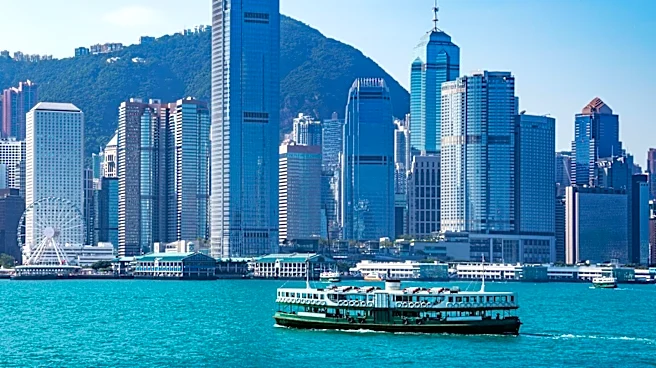
Hong Kong has been identified as Asia's leading hub for high-growth start-up potential and ranks fifth globally, according to a joint study by market research firm CB Insights and the Hong Kong Science and Technology Parks Corporation. The research, released
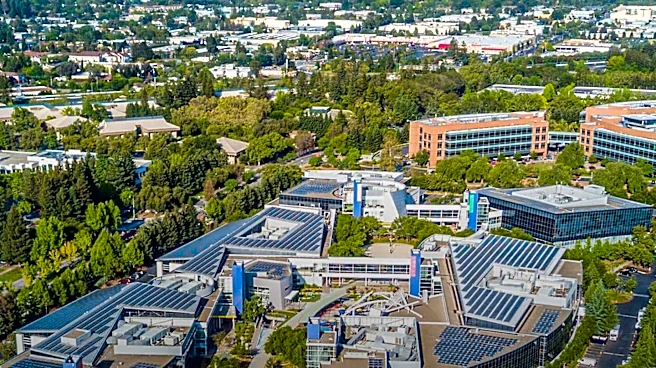
on Monday, highlights the city's increasing capability in fostering scalable ventures and 'unicorns' (start-ups valued at over $1 billion). The study notes that Asia's technology ecosystem operates as a distributed network, with different markets specializing in various stages of the technology life cycle, a contrast to Silicon Valley's single-hub model. Hong Kong serves as a crucial financial conduit, connecting mainland Chinese and Asian tech innovations with global capital, international governance, and cross-border buyers. The report indicates that foreign investors participated in 81% of Hong Kong's equity deals and channeled 84% of their regional capital through the city. Furthermore, 55% of unique equity investors in Hong Kong originated from outside Asia, underscoring its international appeal. CB Insights emphasized that Hong Kong acts as an essential gateway for Asian companies targeting global markets from their inception.
Why It's Important?
This ranking underscores Hong Kong's evolving role as a critical nexus in the global technology and financial landscape, particularly for U.S. investors and businesses looking to engage with Asian markets. The significant foreign investment figures—81% participation in equity deals and 84% of regional capital channeled through Hong Kong—demonstrate its established position as a trusted intermediary for international capital flows into Asia. For U.S. venture capital firms and tech companies, Hong Kong offers a streamlined entry point to access burgeoning Asian tech innovations and a diverse pool of start-ups with strong growth momentum. The city's ability to attract over half of its unique equity investors from outside Asia suggests a robust, globally integrated financial infrastructure that can facilitate cross-border transactions and partnerships. This environment can reduce the complexities and risks often associated with direct investments in diverse Asian markets, providing a more familiar and regulated platform for U.S. entities. The emphasis on Hong Kong as an 'essential gateway' rather than an 'optional exit route' highlights its strategic importance for companies aiming for global market penetration from day one, offering U.S. businesses a competitive advantage in tapping into the dynamic Asian tech scene.
What's Next?
Hong Kong is expected to further solidify its position as a global innovation and technology hub. The city's strategic focus on nurturing scalable ventures and attracting international investment suggests continued efforts to enhance its ecosystem for start-ups. This could involve policy initiatives aimed at fostering innovation, providing incentives for foreign investors, and strengthening its regulatory framework to maintain investor confidence. The ongoing development of its role as a financial bridge between mainland China, Asia, and global markets implies that Hong Kong will likely continue to be a primary destination for U.S. and other international firms seeking to invest in or expand into the Asian tech sector. The city's ability to adapt to the distributed network model of Asia's technology life cycle, as noted in the study, indicates a proactive approach to integrating with regional trends. Future developments may include increased collaboration between Hong Kong's financial institutions and tech companies, as well as efforts to attract more diverse talent and technological expertise to sustain its growth momentum in the global start-up arena.
Beyond the Headlines
The study's findings reveal a deeper narrative about Hong Kong's resilience and adaptability in a rapidly changing global economic order. Despite geopolitical shifts and regional competition, Hong Kong has managed to leverage its unique position to become a vital conduit for technology and capital. This role extends beyond mere financial transactions, encompassing international governance and cross-border buyer connections, which are crucial for the global integration of Asian tech. The high percentage of foreign investor involvement underscores the city's enduring appeal as a neutral and reliable platform for international business, a perception that is critical for maintaining its competitive edge. The contrast with Silicon Valley's single-hub model suggests a recognition of Asia's diverse market dynamics and Hong Kong's strategic alignment with this reality. This distributed approach could foster more specialized and interconnected regional ecosystems, with Hong Kong playing a central role in facilitating these connections. The long-term implications include Hong Kong's potential to influence global tech trends by acting as a launchpad for Asian innovations, thereby shaping the future of international trade and technological advancement.