
What's Happening?
Effective High-Intensity Interval Training (HIIT) workouts at home require careful consideration of equipment and proper setup, according to recent guidance. The integration of loaded resistance, such
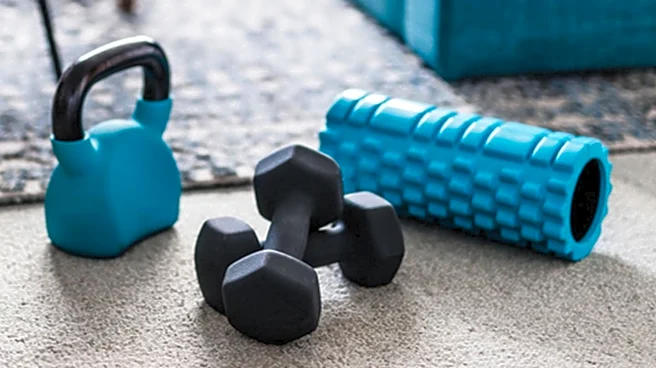
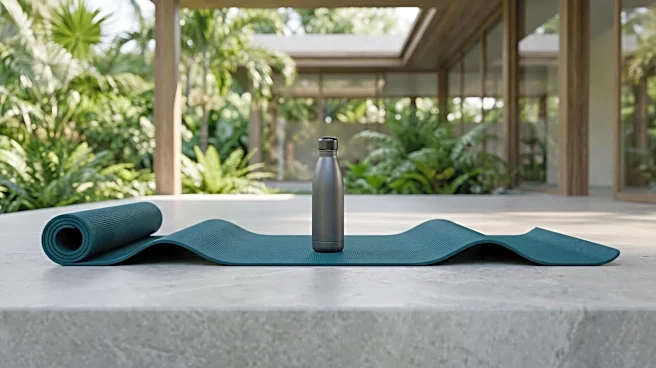
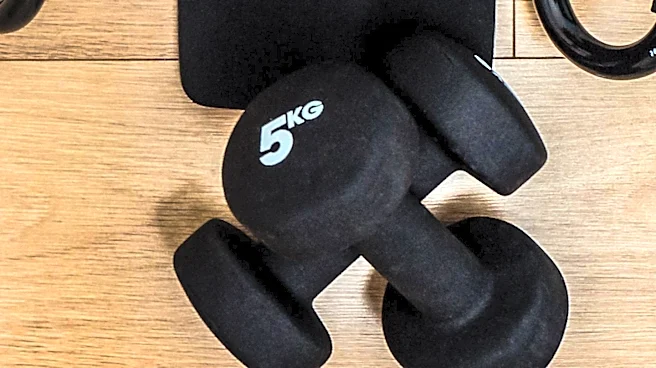
as dumbbells, kettlebells, and jump ropes, into HIIT routines necessitates attention to footing, subfloor protection, and space management. Essential gear for these sessions includes compact, quick-to-grip tools that facilitate smooth transitions between exercises. Dumbbells, kettlebells, resistance bands, and jump ropes are highlighted as ideal for maintaining a brisk pace. Additionally, protecting the underlying floor with dedicated gym flooring or a supportive exercise mat is crucial to prevent damage and provide a non-slip surface for dynamic movements.
Why It's Important?
The increasing popularity of home-based HIIT workouts has significant implications for the U.S. fitness and home goods markets. As more individuals opt for at-home fitness solutions, the demand for appropriate equipment and protective flooring rises. This trend creates opportunities for manufacturers and retailers of fitness gear and home gym accessories. For consumers, understanding the importance of proper setup and equipment selection can prevent injuries and maximize workout effectiveness, contributing to better health outcomes. The emphasis on floor protection also highlights a practical concern for homeowners, potentially influencing purchasing decisions for flooring materials and protective mats, thereby impacting related industries.
What's Next?
As home fitness continues to evolve, there will likely be further innovations in compact, multi-functional exercise equipment designed for limited spaces. Educational resources and guides on safe and effective home HIIT setups are expected to become more prevalent, catering to a growing audience. Manufacturers may also focus on developing integrated solutions that combine equipment with protective flooring options. The market could see an increase in demand for professional home gym design and installation services, as individuals seek to optimize their workout environments for safety and performance. This trend may also influence architectural and interior design, with more homes incorporating dedicated fitness zones.
Beyond the Headlines
The shift towards home HIIT workouts reflects broader societal changes, including increased remote work and a desire for convenience and flexibility in fitness routines. This trend challenges traditional gym models and encourages a more personalized approach to health and wellness. It also raises questions about the long-term impact on community fitness centers and the social aspects of exercise. Furthermore, the focus on equipment and floor protection underscores a growing awareness of safety and injury prevention in home exercise, potentially leading to new standards or certifications for home fitness products and practices. The emphasis on efficient, short-duration workouts also aligns with a culture that values time optimization and immediate results.