







What's Happening?
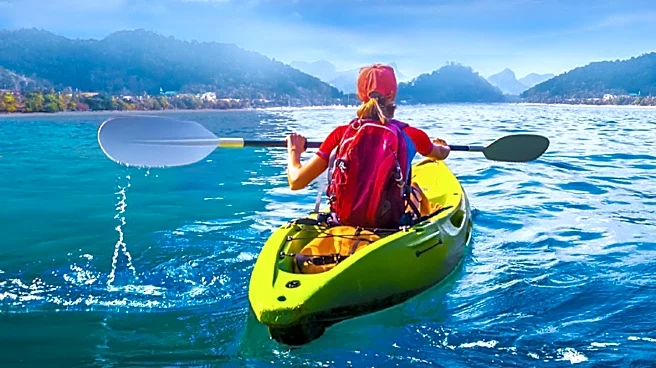
Kayaking and stand-up paddleboarding (SUP) are increasingly recognized for their substantial physical and mental health benefits. Kayaking, in particular, provides a full-torso rotation workout, engaging the core, obliques, and back muscles, leading to improved
posture and reduced lower back pain. It offers significant cardiovascular benefits comparable to other moderate cardio activities but with lower joint stress. The physical demands of SUP differ, requiring more lower-body engagement for balance and shoulder work for the paddle stroke, making it a complementary activity to kayaking. Beyond physical fitness, both activities offer profound mental health advantages. Time spent on or near water has been shown to reduce cortisol levels and improve heart rate variability, contributing to stress resilience. The focused attention required for paddling acts as a form of mindfulness, helping to quiet the mind and reduce anxious thoughts, similar to meditation.
Why It's Important?
The growing awareness of the comprehensive benefits of kayaking and paddleboarding is important for public health and wellness initiatives. In a society increasingly grappling with sedentary lifestyles and mental health challenges, these water sports offer accessible and enjoyable solutions. Their low-impact nature makes them suitable for a wide range of ages and physical conditions, providing an alternative to high-impact exercises. The mental health benefits, such as stress reduction and mindfulness, are particularly relevant in today's fast-paced world, offering a natural and engaging way to improve psychological well-being. Furthermore, the complementary nature of kayaking and SUP means individuals can diversify their fitness routines, engaging different muscle groups and maintaining interest, which is crucial for forming sustainable exercise habits. This trend could lead to increased participation in water sports, fostering healthier communities and a greater appreciation for outdoor recreation.
What's Next?
As the benefits of kayaking and paddleboarding become more widely known, there is likely to be an increase in demand for related equipment, lessons, and accessible waterways. Organizations and parks may expand their offerings, such as guided tours, beginner classes, and specialized equipment like kayak and paddleboard carts to facilitate easier access to the water. The emphasis on core strength and mental well-being could also influence fitness trends, with more people seeking activities that provide holistic health benefits. Additionally, research into the specific physiological and psychological impacts of water-based activities may continue to grow, further solidifying their role in preventative health and therapeutic interventions. The development of more user-friendly and efficient gear, like specialized carts for transport, will also play a crucial role in making these activities more convenient and, therefore, more regularly practiced by individuals.
Beyond the Headlines
The appeal of kayaking and paddleboarding extends beyond mere exercise; they tap into a deeper human connection with nature and the calming effects of water. This 'blue space' phenomenon, where proximity to water positively impacts mental health, highlights an often-underestimated aspect of environmental interaction. The activities foster a sense of presence and engagement with the immediate environment, offering a respite from digital distractions and the stresses of modern life. This can lead to a cultural shift where outdoor, nature-based activities are increasingly valued not just for physical fitness but as essential components of mental and emotional well-being. The emphasis on proper technique, like torso rotation in kayaking, also subtly promotes body awareness and efficient movement, contributing to overall physical literacy and reducing the risk of injury in daily life. These sports embody a holistic approach to health that integrates physical activity with environmental immersion and mental tranquility.