
What's Happening?
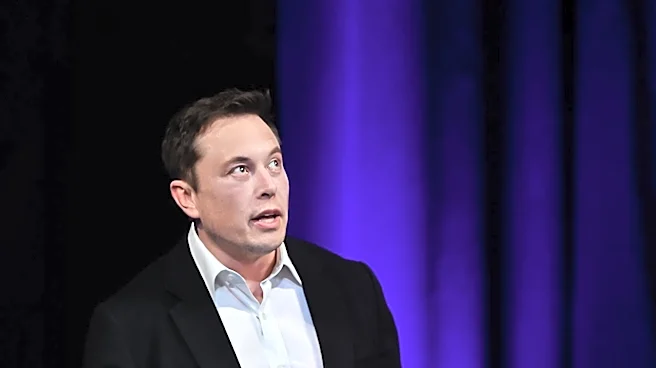
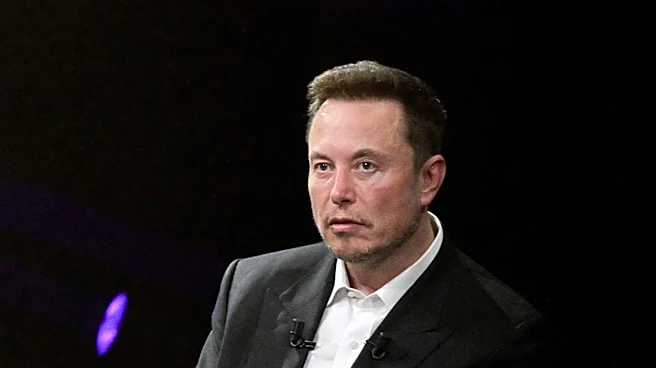
Elon Musk, CEO of Tesla, has issued a warning regarding a potential severe capital shortage in the artificial intelligence (AI) industry next year. This statement came in response to a social media post
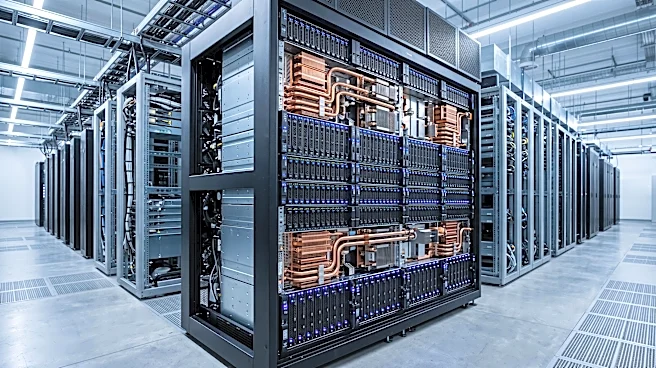
by François Chollet, the creator of the open-source deep learning project Keras. Chollet outlined two prevailing views on AI infrastructure: one suggesting that AI infrastructure construction has peaked and computational demand is topping out, implying the current market is a bubble; the other viewing the present as a prime buying opportunity. Chollet supported the latter view with several data points, including rising GPU spot prices, difficulty in securing computational resources, HBM and DRAM capacity being booked until 2029, and a projected tight supply of storage chips until the 2030s. He also noted that cutting-edge model training computation doubles approximately every five months, and AI inference services can yield profit margins of 70% to 85%. Musk, however, highlighted the extreme difficulty in providing power, cooling, and stable operation for such large-scale computing clusters, suggesting that if the industry-wide cycle from computational input costs to stable equipment revenue is delayed by several months, operating funds alone could require hundreds of billions of dollars in additional investment.
Why It's Important?
Musk's warning underscores a critical financial vulnerability within the rapidly expanding AI sector. The potential for a severe capital shortage could significantly impact the pace of AI development and deployment, particularly for companies heavily reliant on advanced computational infrastructure. If the industry faces a funding crunch, it could lead to a slowdown in innovation, consolidation among AI firms, and a re-evaluation of investment strategies. Companies that have not secured long-term funding or have high operational costs for AI infrastructure could be particularly vulnerable. This situation could also affect the broader technology market, as AI is increasingly integrated into various products and services. The high profit margins cited by Chollet for AI inference services suggest a strong demand, but Musk's concerns about the underlying infrastructure costs highlight a potential disconnect between perceived value and the practicalities of scaling AI operations. This could lead to a more cautious investment environment, prioritizing sustainable growth over rapid expansion.
What's Next?
The AI industry will likely face increased scrutiny regarding its financial models and infrastructure investments in the coming year. Companies may need to demonstrate clearer paths to profitability and more robust strategies for managing the substantial costs associated with AI development and deployment. Investors might become more selective, favoring companies with established revenue streams or those that have already secured significant capital for infrastructure. There could also be a push for more efficient and less resource-intensive AI models to mitigate the escalating costs of computation and cooling. Furthermore, the discussion around the sustainability of AI growth could prompt greater collaboration among industry players to address shared infrastructure challenges, potentially leading to new financing mechanisms or shared resource models. The long-term booking of HBM and DRAM capacity suggests that hardware supply will remain a bottleneck, further exacerbating cost pressures and potentially influencing strategic partnerships between AI developers and hardware manufacturers.
Beyond the Headlines
The debate between Chollet's optimistic view of AI's growth potential and Musk's cautionary financial outlook reveals a deeper tension within the technology sector: the balance between rapid innovation and sustainable economic models. The immense computational demands of AI, particularly for training advanced models, raise questions about energy consumption and environmental impact, which could become a more prominent concern if capital shortages force a re-evaluation of resource allocation. The reliance on specialized hardware like GPUs, HBM, and DRAM also highlights supply chain vulnerabilities and geopolitical implications, as the production of these components is concentrated in a few regions. A capital shortage could also lead to ethical considerations, as companies might prioritize short-term revenue generation over responsible AI development, potentially impacting safety, fairness, and transparency. This financial pressure could also accelerate the development of more efficient AI algorithms and hardware, pushing the industry towards more sustainable and cost-effective solutions in the long run.