



What's Happening?
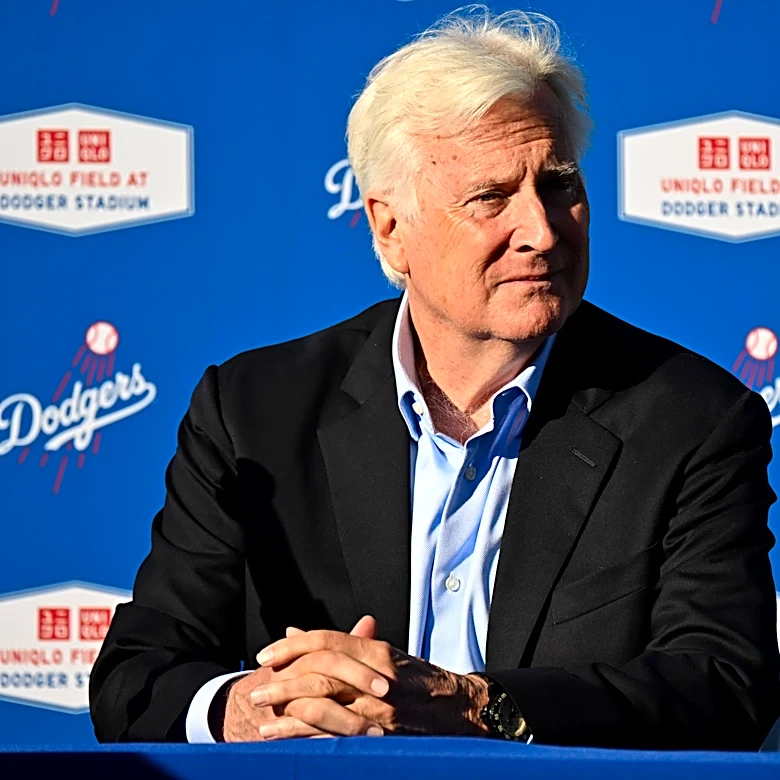
The Minnesota Twins are at a critical juncture regarding their roster construction for the 2027 season, particularly concerning catcher Ryan Jeffers, who is nearing free agency. Chairman Tom Pohlad has committed to a higher payroll for 2027, but without
a specific budget, General Manager Jeremy Zoll must balance retaining key players like Jeffers with addressing other team needs, such as pitching upgrades. Jeffers, who finished the 2026 season with a .256/.353/.461 slash line and 14 home runs in 92 games, presents a strong case for re-signing due to his offensive production and the difficulty of finding an adequate replacement. The team already has Victor Caratini under contract for 2027, providing one part of a catching tandem, but a full-time solution would require another acquisition if Jeffers departs. The organization's investment in prospect Vahn Lackey, projected for a 2029 MLB arrival, does not alleviate the immediate need for a catcher.
Why It's Important?
This situation is important for the Minnesota Twins as it will define their strategic approach to roster management and financial allocation. The decision on Ryan Jeffers will signal how the team plans to utilize its increased payroll, either by investing in established talent or prioritizing other areas. Re-signing Jeffers could provide stability at a crucial position and support the development of younger prospects by allowing them to progress at their own pace rather than being rushed into the major leagues. Conversely, letting Jeffers walk would necessitate finding a replacement through free agency or trade, incurring costs in terms of money, players, or both. The outcome will impact the team's competitiveness and its ability to address other pressing needs, such as strengthening the bullpen, especially with several key pitchers like Joe Ryan, Pablo López, Bailey Ober, and Dean Kremer potentially reaching free agency after 2027.
What's Next?
The Twins' general manager, Jeremy Zoll, will need to navigate the upcoming free agency period with a clear strategy for Ryan Jeffers. The team is expected to pursue a multi-year agreement with Jeffers, ideally around his calculated market value of approximately $40 million over three years, which would average about $13.3 million annually. This approach aims to secure the catcher position for multiple years, potentially overlapping with the development of prospect Vahn Lackey. However, if competing offers push Jeffers' asking price beyond the Twins' planned commitment, Zoll must be prepared to explore credible replacement options. The team's overall payroll increase for 2027 will be a key factor, as ownership's pledge needs to cover not only Jeffers' potential contract but also significant bullpen improvements to ensure a stronger, more competitive roster.
Beyond the Headlines
The Twins' decision regarding Ryan Jeffers extends beyond a simple player transaction; it reflects a broader organizational philosophy on balancing immediate competitiveness with long-term player development and financial prudence. The challenge lies in ensuring that any increased payroll translates into a demonstrably better roster, rather than merely maintaining the status quo. This situation highlights the complexities of MLB team management, where player valuations, contract structures, and the timing of prospect promotions all play a critical role. The outcome will also influence fan perception and the team's ability to attract future talent, as it demonstrates the organization's commitment to investing in its roster and competing for championships. The strategic choices made now will have ripple effects on the team's performance and financial health for several seasons to come.