



What's Happening?
Central Florida is being highlighted as an ideal winter getaway for New Yorkers looking to escape cold weather. The region offers consistently warm temperatures, typically ranging from the upper 60s to mid-70s Fahrenheit during the day, making it suitable
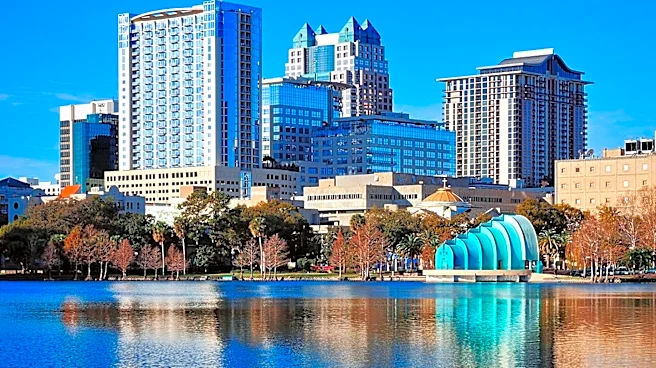
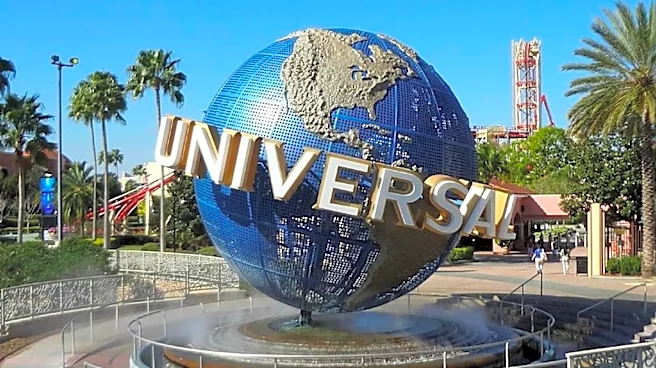
for outdoor activities like walking, sightseeing, and golfing. This destination provides a practical alternative to international travel for those seeking sunshine. Beyond its famous theme parks such as Walt Disney World and Universal Orlando, Central Florida boasts diverse attractions. Winter Park offers a charming, slower-paced experience with boutiques and art museums, while downtown Orlando features Lake Eola Park and vibrant neighborhoods like Thornton Park. Nature enthusiasts can explore Wekiwa Springs State Park for hiking and kayaking, or visit Blue Spring State Park to observe manatees during colder months. The area also provides easy access to day trips, including the Space Coast for Kennedy Space Center and Cocoa Beach, or Tampa and St. Petersburg for museums and Gulf Coast sunsets. Mount Dora offers a small-town charm with antique shops and lake views.
Why It's Important?
The increasing popularity of Central Florida as a winter escape for New Yorkers signifies a broader trend in domestic tourism, where accessibility and diverse offerings drive travel decisions. For the U.S. tourism industry, this trend reinforces Central Florida's economic importance, particularly during the winter season when many northern states experience a decline in local tourism. The region's ability to cater to various traveler types—families, couples, and solo adventurers—with options ranging from theme parks to nature and cultural experiences, strengthens its market position. This influx of visitors supports local businesses, including hotels, restaurants, and attractions, contributing significantly to Florida's economy. Furthermore, it highlights the appeal of destinations that offer a blend of relaxation and activity without the complexities of international travel, potentially influencing how other U.S. regions market themselves for seasonal tourism.
What's Next?
As Central Florida continues to gain traction as a winter getaway, an increase in visitor numbers is anticipated, especially during holiday weeks, Presidents’ Day weekend, and school breaks. This will likely lead to higher demand for flights and accommodations, prompting travelers to book early to secure better prices and availability. Local businesses, including hotels and restaurants, may experience increased revenue and potentially expand services to accommodate the growing influx of tourists. The region might also see further development in its non-theme park attractions, such as eco-tourism and cultural sites, to diversify its appeal and manage visitor flow. Additionally, transportation infrastructure, including rental car services and airport facilities, may need to adapt to handle the increased volume of travelers. Marketing efforts by Florida tourism boards will likely continue to emphasize the ease of access and variety of experiences available, reinforcing its status as a prime domestic winter destination.
Beyond the Headlines
The sustained appeal of Central Florida as a winter escape reflects deeper societal preferences for convenience and diverse leisure options in travel. This trend underscores a growing desire among consumers for destinations that offer a comprehensive experience—combining entertainment, nature, and cultural immersion—without the logistical challenges often associated with international trips. Environmentally, increased tourism in natural areas like state parks could necessitate enhanced conservation efforts and visitor management strategies to protect delicate ecosystems, such as manatee habitats. Economically, the reliance on seasonal tourism can create both opportunities and challenges for local communities, influencing employment patterns and the development of local infrastructure. Culturally, the influx of visitors from diverse backgrounds can foster a more dynamic local environment, while also posing questions about preserving local character amidst rapid growth. This shift also highlights the enduring value of domestic travel in providing accessible and varied recreational opportunities for a broad segment of the U.S. population.