





What's Happening?
Chef Alisha Adibe, known for her upscale vegan restaurant Oleum in Baltimore's Fells Point, is set to open Dahlia Cocinita, a vegan Mexican-inspired restaurant, in the Canton neighborhood in 2027. This new venture aims to fill a significant gap in Baltimore's culinary
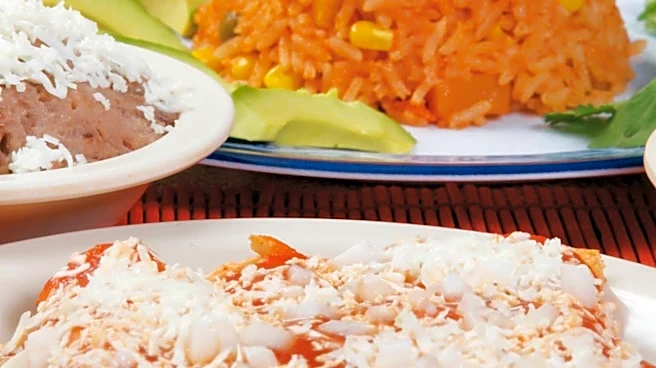
scene, as the city currently lacks a dedicated vegan Mexican eatery. Adibe's decision to expand comes despite the challenging economic climate for the restaurant industry, which is grappling with rising rents, staffing shortages, and affordability issues. Dahlia Cocinita, named after Mexico's national flower, will offer familiar Mexican favorites like vegan fish tacos and ceviche, alongside innovative twists on traditional dishes. The 750-square-foot space, formerly occupied by Simply Marie’s, requires substantial renovation before its planned opening. Adibe emphasizes a meticulous approach to this new restaurant, ensuring all recipes are tested, processes are in place, and a strong team is ready to deliver exceptional service, a lesson learned from the earlier opening of Oleum.
Why It's Important?
The opening of Dahlia Cocinita is important for several reasons, primarily addressing a clear demand within Baltimore's growing vegan community. The absence of a dedicated vegan Mexican restaurant highlights a market niche that Adibe is strategically positioning to fill. This venture also signifies the increasing mainstream acceptance and demand for plant-based dining options across the U.S., even in a challenging economic environment for the restaurant sector. For consumers, it means greater culinary diversity and accessibility to plant-based versions of popular ethnic cuisines. For the local economy, the restaurant will create 16 to 20 new jobs, contributing to employment in the Canton neighborhood. Furthermore, Adibe's success with Oleum, which attracts customers from across the Washington, D.C., Maryland, Virginia region, as well as Philadelphia, New York, and New Jersey, suggests that Dahlia Cocinita could become a regional draw, boosting local tourism and economic activity. This expansion also serves as a testament to the resilience and adaptability of entrepreneurs in the food service industry.
What's Next?
Dahlia Cocinita is slated to open in 2027, following significant renovation of its 750-square-foot space in Canton. Chef Adibe plans to meticulously prepare for the launch, ensuring all recipes are perfected and operational processes are firmly established before opening its doors to the public. This careful approach aims to guarantee a smooth and successful debut, building on the lessons learned from her previous restaurant, Oleum. The restaurant will focus on becoming a neighborhood staple, offering a welcoming environment for both long-time vegans and those new to plant-based dining. Anticipation for the opening is already high, with Adibe noting significant online engagement and interest from the community. Once open, the restaurant will contribute to the local job market by employing 16 to 20 individuals. The success of Dahlia Cocinita could also inspire further plant-based culinary ventures in Baltimore and beyond, as it demonstrates the viability of specialized vegan restaurants in underserved markets.
Beyond the Headlines
The launch of Dahlia Cocinita extends beyond simply adding a new restaurant to Baltimore's dining scene; it reflects a broader cultural shift towards plant-based diets and conscious consumerism in the U.S. The emphasis on hospitality and making vegan food accessible and delicious, rather than preachy, speaks to a growing trend of integrating plant-based options into mainstream culinary experiences. This approach helps demystify veganism and encourages a wider audience to explore plant-based meals, potentially influencing dietary habits and food choices on a larger scale. Furthermore, Adibe's entrepreneurial spirit in a tough economic climate highlights the innovative drive within the food industry to meet evolving consumer demands. The success of such ventures can also foster a more diverse and inclusive food landscape, catering to various dietary preferences and ethical considerations. This development underscores the increasing importance of local businesses in shaping community identity and promoting sustainable food practices.