




What's Happening?
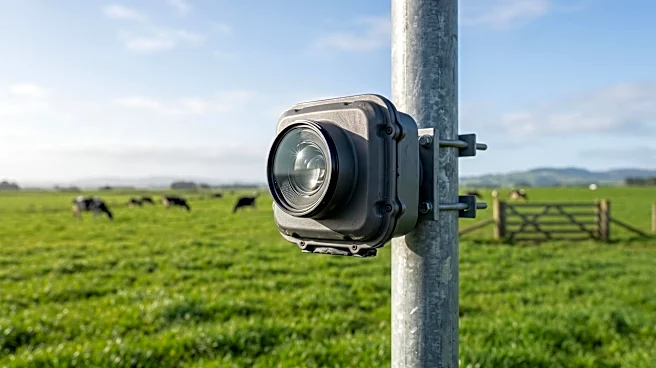
GEA Group AG has launched DairyNet Cow Verification, a new camera-based system designed to improve cow identification in rotary milking parlors. This system utilizes computer vision and machine learning to accurately verify cow identities and automatically
correct any errors in RFID recognition. Integrated with GEA's DairyNet herd management platform, the technology is compatible with existing DairyNet-enabled rotary parlors. This development comes as the livestock identification market is experiencing significant growth, driven by regulatory requirements, the need for export documentation, and increasing demands for farm data. The market is also seeing a shift towards systems that combine physical tags with advanced software, readers, and comprehensive farm records. The introduction of such AI-powered solutions aims to enhance efficiency and accuracy in dairy farm operations, addressing the growing complexity of livestock management and traceability. The system was introduced in October 2026, highlighting the ongoing innovation in agricultural technology.
Why It's Important?
The introduction of GEA's DairyNet Cow Verification system is significant for the U.S. dairy industry as it addresses critical issues related to accuracy and efficiency in livestock management. Inaccurate cow identification can lead to errors in feeding, breeding, and health management, potentially impacting milk production and overall herd health. By leveraging AI and computer vision, the system reduces human error and streamlines the identification process, which is crucial for large-scale dairy operations. This technology also supports the broader trend of digital transformation in agriculture, where data-driven insights are becoming essential for optimizing farm performance and profitability. Furthermore, as regulatory demands for animal traceability and origin verification increase, precise identification systems like DairyNet Cow Verification become vital for compliance and market access, particularly for dairy products destined for export markets with stringent requirements. The system helps dairy farmers maintain accurate records, which is essential for disease control and food safety.
What's Next?
The adoption of GEA's DairyNet Cow Verification system is expected to expand across U.S. dairy farms, particularly those utilizing rotary milking parlors and GEA's DairyNet platform. As the system integrates seamlessly with existing infrastructure, it offers a practical upgrade for farms seeking to enhance their identification accuracy and operational efficiency. Future developments may include further integration with other precision livestock farming technologies, such as automated feeding systems and health monitoring sensors, to create a more holistic and intelligent farm management ecosystem. The success of this system could also encourage other agricultural technology providers to invest further in AI and computer vision solutions for livestock management, fostering greater innovation in the sector. Additionally, as the demand for verifiable livestock origin and sustainability data grows, these advanced identification systems will play a crucial role in meeting consumer and regulatory expectations, potentially influencing industry standards for traceability.
Beyond the Headlines
The deployment of AI-powered systems like DairyNet Cow Verification signifies a broader shift towards intelligent automation in agriculture, raising important considerations beyond immediate operational benefits. Ethically, the increased reliance on AI for animal management could lead to discussions about animal welfare, data privacy, and the role of human oversight in automated systems. Legally, the accuracy and reliability of AI-generated identification data could become critical in disputes related to animal origin, disease outbreaks, or product recalls. Culturally, the integration of advanced technology into traditional farming practices may alter the skill sets required for agricultural labor, potentially leading to a demand for tech-savvy farm workers. In the long term, such innovations could contribute to a more sustainable and transparent food supply chain, but they also necessitate careful consideration of their societal and economic impacts, including potential job displacement and the digital divide among farmers.