






What's Happening?
Nancy Bruner, an 80-year-old certified personal trainer and founder of the Nancy Bruner Longevity Program, is actively promoting the benefits of strength training, particularly for older adults. She emphasizes that age should not be a barrier to physical
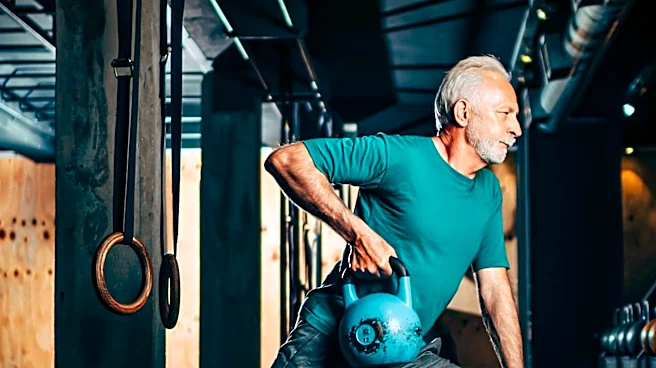
activity and that consistent movement is key to maintaining capability. Bruner frequently shares exercise routines focusing on upper-body muscles, including biceps, triceps, and deltoids, which can be performed at home using light dumbbells. Her approach highlights that strength training can lead to defined shoulders and overall muscle strength, even for individuals in their 60s, 70s, and 80s. Research supports her advocacy, with studies indicating that resistance exercise improves muscle strength and bone density in adults aged 65 and over. Bruner's philosophy centers on building lifelong independence through resistance, balance, and mobility training.
Why It's Important?
This initiative is important because it challenges common misconceptions about aging and physical fitness in the U.S. society. By demonstrating that significant strength and mobility can be maintained at advanced ages, Bruner's work encourages a broader demographic to engage in regular exercise, potentially reducing healthcare burdens associated with age-related physical decline. Her focus on accessible, light-weight exercises makes strength training less intimidating for beginners and older adults, promoting a more inclusive fitness culture. The emphasis on 'lifelong independence' resonates deeply within a society grappling with an aging population, where maintaining autonomy and quality of life is a growing concern. This movement could inspire more fitness programs tailored to seniors, fostering healthier communities and potentially delaying the need for assisted living or extensive medical interventions.
What's Next?
The continued promotion of accessible strength training by figures like Nancy Bruner is likely to increase awareness and participation in fitness activities among older adults. This could lead to a greater demand for fitness programs and resources specifically designed for seniors, potentially influencing gyms, community centers, and online platforms to offer more tailored content. Educational campaigns might emerge, highlighting the long-term benefits of resistance training for bone density, muscle mass, and overall well-being. Furthermore, the success stories of individuals like Bruner could inspire more research into effective and safe exercise regimens for the elderly, potentially leading to updated public health guidelines and recommendations for physical activity across all age groups.
Beyond the Headlines
Beyond the immediate health benefits, Nancy Bruner's message carries significant cultural and psychological implications. It challenges ageist stereotypes by showcasing the vitality and capability of older individuals, promoting a more positive view of aging. This shift in perception can empower seniors to remain active and engaged members of society, contributing to their mental well-being and reducing feelings of isolation. Ethically, it underscores the importance of promoting health and wellness across the entire lifespan, advocating for resources and support that enable individuals to maintain physical independence for as long as possible. This movement could also influence product development in the fitness industry, leading to more ergonomically designed equipment and programs that cater to the specific needs of an aging population, fostering a more inclusive and age-friendly society.