




What's Happening?
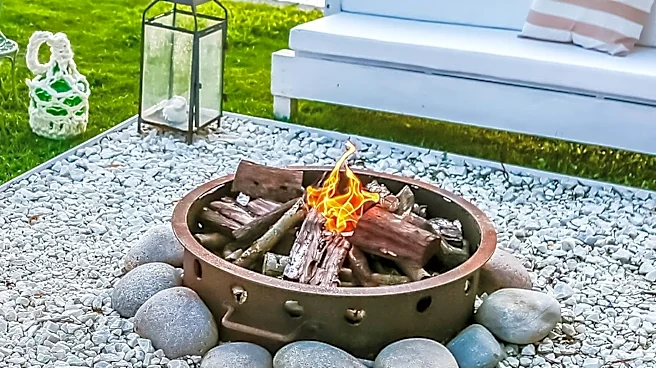
Building a DIY fire pit requires careful planning and strict adherence to safety guidelines and material specifications. Key considerations include checking local council and fire authority regulations regarding fire pit allowances, location, construction,
and usage times, as well as smoke nuisance requirements. It is crucial to confirm required clearances from buildings, fences, vegetation, and other combustible materials, and whether the design is permitted at ground level or must be raised. Manufacturers' instructions for the base, drainage, ventilation, and surrounding space must be followed precisely. The article emphasizes using purpose-made kits with compatible components, such as wall blocks and inserts, rather than repurposing random materials. It also highlights the importance of proper site preparation, including excavation, foundation, and drainage planning, to ensure stability and prevent issues like water accumulation.
Why It's Important?
The emphasis on safety and proper material use in DIY fire pit construction is critical for preventing accidents, property damage, and potential legal liabilities. For U.S. homeowners, understanding and complying with local fire codes and manufacturer guidelines is paramount, as regulations can vary significantly by municipality and state. Improper construction or placement of a fire pit can lead to uncontrolled fires, carbon monoxide poisoning, or structural damage to homes and surrounding property. The advice against using unverified salvaged materials or ordinary pavers for fire chambers underscores the importance of material science in ensuring heat resistance and structural integrity. This information is vital for consumer safety and for the reputation of the DIY and home improvement industries, as it promotes responsible construction practices and reduces risks associated with outdoor fire features.
What's Next?
Homeowners planning a DIY fire pit project should prioritize selecting a system that matches their space, budget, and desired construction effort. For beginners, a purpose-made wood-burning fire pit kit with compatible wall blocks, an insert or liner, and clear instructions is recommended. Gas fire features require purpose-designed components and professional installation for fuel connections. Before building, it is essential to mark out the entire area, including the fire pit's edge, required clearances, and seating positions, and to prepare a stable foundation according to the kit's requirements. The assembly process involves dry-fitting the first course of blocks, building walls to the specified height, and installing the insert or lining as directed. Finally, a thorough check of the structure, curing, drainage, and surrounding area is necessary before the first fire, along with re-checking local fire restrictions.
Beyond the Headlines
The detailed guidance on DIY fire pit construction reflects a broader trend of increased homeowner engagement in outdoor living projects, often driven by a desire for personalized spaces and cost savings. However, this trend also highlights the need for accessible, clear, and authoritative information to ensure safety and compliance. The distinction between aesthetic appeal and functional safety, particularly regarding materials, points to a gap in common knowledge that can have serious consequences. This underscores the importance of consumer education campaigns by fire departments, home improvement retailers, and community organizations. Furthermore, the emphasis on local regulations suggests a fragmented regulatory landscape, which could benefit from more standardized safety guidelines for outdoor fire features across different jurisdictions to enhance public safety and simplify compliance for homeowners.