



What's Happening?
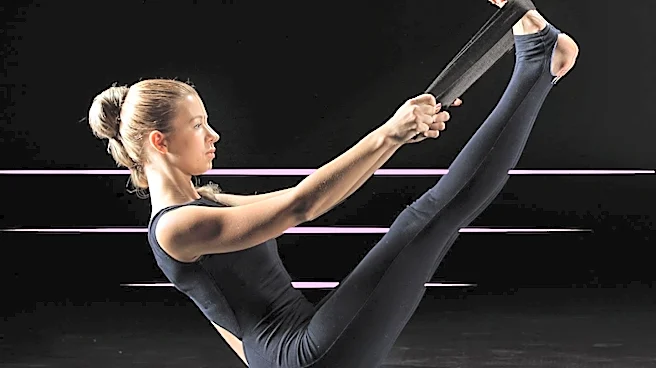
Reverse Health, a fitness and weight loss application, is specifically designed for women over 40, offering a gentle yet effective approach to improve strength, flexibility, and achieve weight loss. The app features Asian-inspired pilates flows, which
emphasize slow, controlled movements to enhance mobility, posture, and long-term strength. It also incorporates low-impact workouts, intermittent fasting, and nutrition strategies tailored for this demographic. The app aims to address common concerns among women over 40, such as stiffness, bloating, low energy, and workouts that feel too intense or ineffective. Reverse Health provides smart tracking tools for weight, calories, and progress, along with simple nutrition support and meal plans. The company, ReverseGroup, also offers other fitness applications, including 'Muscle Charge: Men 40+ Fitness' and 'RH: AI Weight Loss Coach'.
Why It's Important?
This development is significant for the U.S. health and wellness industry, as it targets a specific demographic—women over 40—who may have unique fitness and weight loss needs that are not always adequately addressed by general fitness apps. By focusing on low-impact, Asian-inspired pilates and tailored nutrition, Reverse Health offers an alternative to high-intensity workouts, potentially reducing injury risk and increasing adherence among older adults. The emphasis on gentle yet effective methods could attract a segment of the population seeking sustainable and less strenuous fitness solutions. This specialized approach could also influence how other fitness app developers design their programs, leading to more niche-specific offerings in the market. The success of such targeted apps highlights a growing demand for personalized health solutions that consider age, gender, and specific physiological changes.
What's Next?
The continued growth and adoption of Reverse Health will likely depend on its ability to demonstrate tangible results and maintain user engagement within its target demographic. The company may expand its offerings to include more diverse workout styles or integrate with wearable technology for enhanced tracking. Competitors in the fitness app market might observe Reverse Health's success and develop their own specialized programs for older adults or other underserved populations. There could also be an increased focus on scientific validation and user testimonials to build credibility in a crowded market. Furthermore, as the app gains traction, it may explore partnerships with healthcare providers or wellness coaches to offer a more holistic approach to health for women over 40.
Beyond the Headlines
The rise of highly specialized fitness apps like Reverse Health reflects a broader trend in the digital health sector towards personalization and niche targeting. This shift moves beyond one-size-fits-all solutions, acknowledging that different age groups and demographics have distinct physiological requirements and preferences for exercise and nutrition. Ethically, this specialization can lead to more effective and safer fitness programs, as they are designed with specific health considerations in mind. Culturally, it challenges the prevailing narrative that fitness must always be high-intensity, promoting a more inclusive view of physical activity that values gentle, sustainable practices. This trend could also contribute to a greater understanding of age-specific health needs, fostering a more nuanced approach to wellness in society.