





What's Happening?
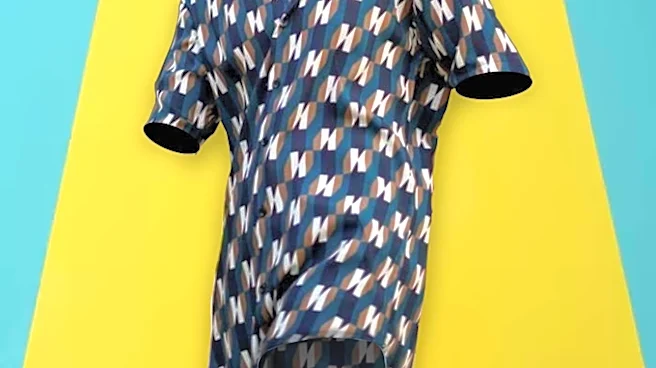
The market for 3D fashion design software in custom clothing brands is experiencing significant growth, driven by the increasing demand for customization and the need to accelerate product development. This software allows brands to create, modify, and visualize
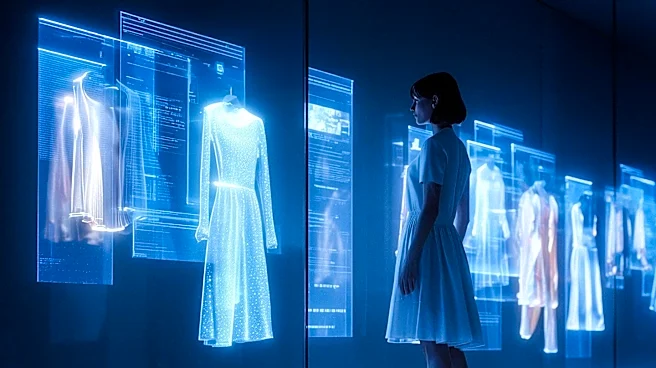
garments in a virtual environment, reducing lead times and enabling rapid iteration. Key factors supporting this adoption include automation and efficiency in design, virtual fitting and customer involvement, and fabric behavior simulation. Automation features like pattern generation and digital sample creation streamline workflows, while interactive 3D fittings allow customers to adjust measurements and preview garments on digital avatars. Physics-based fabric simulation helps designers anticipate how materials will behave, reducing the need for physical samples. This technology is particularly beneficial for independent and boutique brands, custom tailors, made-to-measure services, and direct-to-consumer (D2C) fashion brands, enabling them to differentiate through bespoke fits and collaborative design experiences.
Why It's Important?
The rise of 3D fashion design software is transforming the custom clothing market by addressing critical industry challenges such as high production costs, long lead times, and the environmental impact of physical sampling. By enabling virtual prototyping, brands can significantly reduce material waste and accelerate the design-to-production cycle. This technology empowers smaller brands to compete with larger labels by offering personalized products and enhanced customer experiences without a proportional increase in overhead. The ability to involve customers in the design process through virtual fittings also boosts satisfaction and reduces return rates, which is a significant financial concern for online retailers. Furthermore, the software's capacity for realistic previews and virtual try-ons aligns with omnichannel strategies, improving online conversion rates and digital storytelling for D2C brands. This shift towards digital design tools is crucial for brands aiming for agility, sustainability, and customer-centricity in a competitive market.
What's Next?
The market for 3D fashion design software is projected to continue its rapid expansion, with further advancements in technology and broader adoption across the custom clothing sector. Future opportunities include the convergence of 3D design with AI-driven design assistance and generative customization, which could enable automated pattern generation tailored to individual measurements and AI-suggested fabric combinations. Cross-functional integration with supply chain partners is expected to create synchronized design-to-production workflows, further reducing lead times and enabling near real-time customization. As consumer expectations lean towards sustainable, on-demand apparel, 3D fashion design software will become an even more critical enabler of efficient, low-waste production processes. Challenges remain in aligning creative workflows with technical capabilities, ensuring accurate size grading, and managing data governance, but ongoing developments aim to address these hurdles.
Beyond the Headlines
The widespread adoption of 3D fashion design software signifies a fundamental shift in how clothing is conceived, produced, and consumed. This technology not only streamlines design processes but also democratizes access to advanced manufacturing capabilities, allowing smaller, independent brands to offer highly customized products. It also has profound implications for sustainability, as virtual prototyping drastically reduces the need for physical samples, thereby minimizing waste and resource consumption. The enhanced customer involvement through virtual fittings could redefine the consumer-brand relationship, fostering a more collaborative and personalized shopping experience. This digital transformation also raises questions about intellectual property in a virtual design space and the need for new legal frameworks to protect digital assets. Ultimately, this trend points towards a future where fashion is more agile, sustainable, and tailored to individual preferences.