






What's Happening?
Shoppers in Naperville, Illinois, are actively engaging with the growing organic food market but face several common challenges, including understanding complex labels, managing product freshness, and navigating seasonal availability. Despite these hurdles,
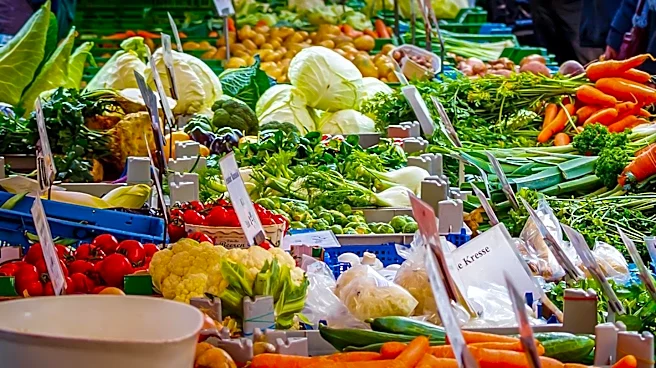
the demand for organic products is strong, driven by a desire for vivid flavors, fewer synthetic inputs, and ingredients that support soil and water health. To address label confusion, experts advise prioritizing certified organic marks and focusing on specific values like pasture access for eggs or grass-feeding for dairy. Strategies for managing freshness include proper storage techniques, such as washing and drying hardy greens immediately and storing delicate items carefully. Shoppers are also adapting to seasonal availability by choosing what is thriving locally and thinking in terms of food families rather than specific items. Budgeting for organic foods is managed by focusing on high-impact items and versatile staples, while cooking fatigue is combated with reliable meal templates and efficient prep.
Why It's Important?
The experiences of Naperville shoppers highlight broader consumer trends and challenges within the U.S. organic food market. The complexity of organic labeling and the need for consumer education underscore the importance of clear communication from producers and retailers. The emphasis on freshness and waste reduction reflects a growing consumer desire for sustainability and efficiency in household food management. The adaptation to seasonal eating patterns indicates a reconnection with local food systems and an appreciation for regional agriculture. These consumer behaviors influence product development, marketing strategies, and supply chain logistics for organic food companies. As demand for organic products continues to rise, understanding and addressing these shopper concerns will be crucial for businesses to maintain customer loyalty and expand their market share. The local solutions adopted by Naperville residents can serve as models for other communities grappling with similar issues, fostering a more informed and sustainable approach to organic food consumption nationwide.
What's Next?
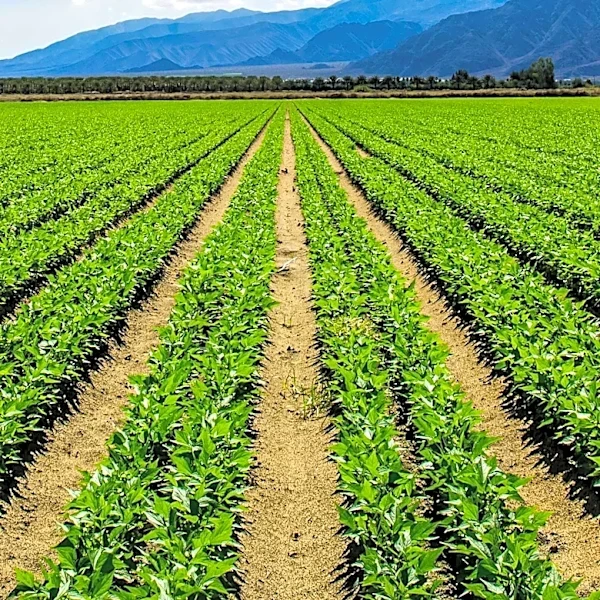
The organic food market in Naperville and beyond is expected to see continued evolution, with emerging trends like regenerative organic practices gaining traction. This involves farming methods that rebuild soil health, increase biodiversity, and capture carbon, leading to more nutrient-dense and vibrant produce. Plant-forward eating will remain a key trend, with an expanding range of organic pantry staples supporting these meals. Functional organic foods, chosen for specific wellness benefits, will also become more prevalent. Consumers will likely adopt more low-waste kitchen practices, focusing on smarter storage and meal planning to reduce food waste. The integration of global flavors with local sensibilities will continue, enriching the culinary landscape. Technology will play a role in meal planning and tracking, but sensory engagement—smelling, feeling, and observing produce—will remain crucial for shoppers. Retailers and local producers will likely collaborate more to bring regionally grown organic items to market, with an increased focus on traceability and flavor-first breeding for produce.
Beyond the Headlines
The challenges and trends observed in Naperville's organic food market reflect a deeper cultural shift towards mindful consumption and a greater awareness of food's impact on health and the environment. The struggle with label interpretation points to a need for greater transparency and standardization in food labeling, potentially influencing regulatory bodies to simplify and clarify organic certifications. The focus on reducing food waste and embracing seasonal eating signifies a move away from a disposable culture towards more sustainable living practices. This shift can foster stronger community ties through local food initiatives and farmers' markets, promoting economic resilience and environmental stewardship. The growing interest in regenerative organic practices suggests a long-term commitment to ecological restoration within the agricultural sector, potentially leading to broader adoption of these methods and a more sustainable food system for the nation.