


What's Happening?
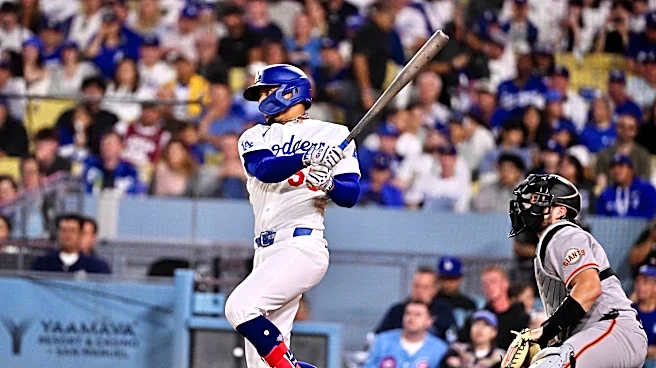
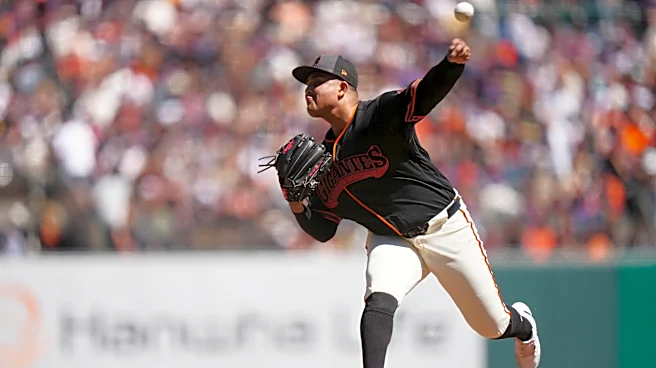
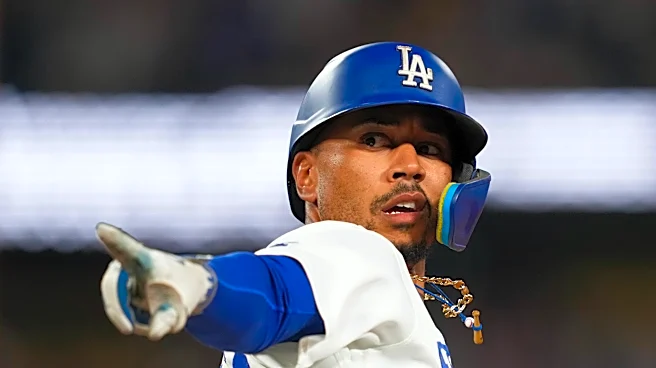
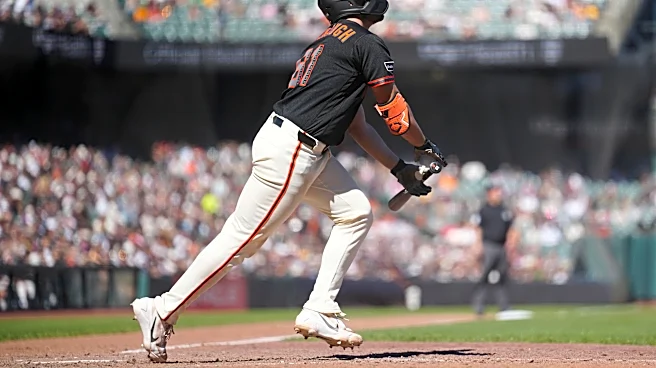
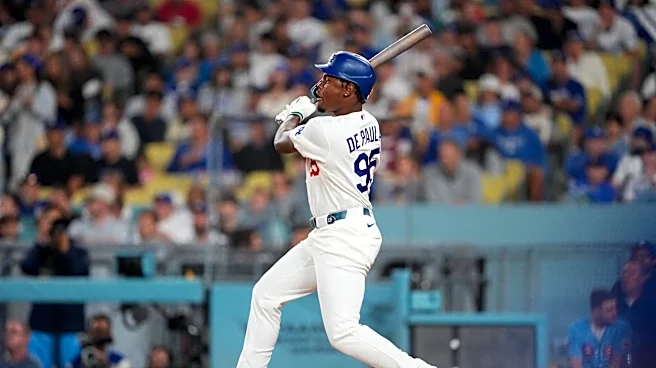
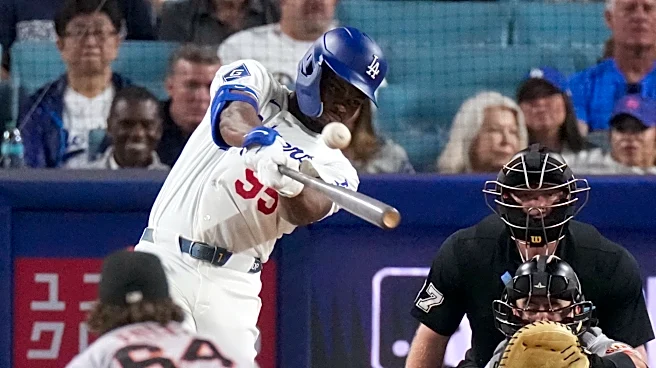
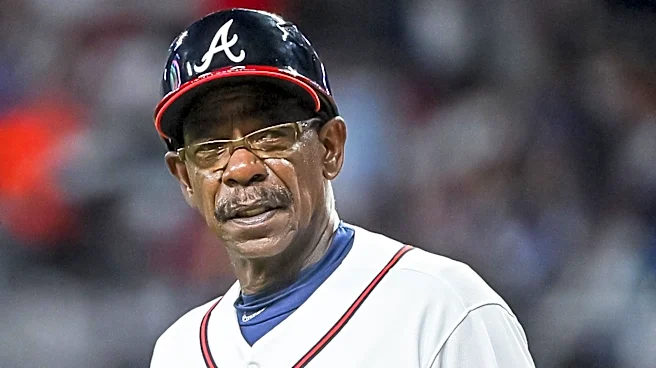
Ron Washington, currently serving as a coach for the San Francisco Giants, recently commented on the historical rivalry between the Giants and the Los Angeles Dodgers. Washington, who made his major league debut with the Dodgers during a period when the rivalry was
more intense, noted that many players on the current Giants roster do not fully grasp the depth of this historical context. His remarks came as the Dodgers completed a sweep against the Giants, highlighting a potential disconnect between the team's current understanding and the storied past of one of baseball's most significant rivalries. This observation suggests a generational shift in how players perceive long-standing team antagonisms, possibly due to changes in team rosters, player mobility, or a focus on contemporary performance over historical narratives.
Why It's Important?
This observation by Ron Washington is important because it touches upon the evolving nature of sports rivalries and team identity in professional baseball. Historically, rivalries like that between the Dodgers and Giants were deeply ingrained in the culture of the sport, fueled by geographical proximity, competitive history, and fan passion. A diminished understanding of this history among current players could impact team motivation, fan engagement, and the overall narrative surrounding these matchups. For U.S. sports, particularly baseball, these rivalries are a significant part of their cultural fabric, drawing in audiences and creating compelling storylines. If players are less invested in these historical narratives, it could subtly alter the dynamic of games and the emotional connection fans have with their teams, potentially affecting viewership and merchandise sales in the long run. It also highlights a broader trend in professional sports where player turnover and a global talent pool might dilute traditional team loyalties and historical awareness.
What's Next?
The comments from Ron Washington might prompt discussions within the Giants organization, and potentially other teams, about the importance of educating players on the historical significance of their franchises and rivalries. While immediate changes are unlikely, there could be a subtle shift towards incorporating more historical context into team culture or pre-game preparations, especially for high-stakes rivalry games. This could involve bringing in former players to share their experiences or integrating historical narratives into team meetings. For fans, Washington's remarks could either be a point of nostalgia, lamenting the perceived decline of intense rivalries, or a call to action for the team to rekindle that historical fire. The ongoing performance of the Giants against the Dodgers will continue to shape the perception of their rivalry, regardless of the players' historical awareness.
Beyond the Headlines
Beyond the immediate implications for the Giants and Dodgers, Washington's comments reflect a broader cultural shift in how history and tradition are valued in modern professional sports. In an era dominated by analytics, player statistics, and global branding, the intangible aspects of sports, such as historical rivalries and team lore, might be taking a backseat. This raises questions about the long-term impact on fan loyalty and the unique identity of sports franchises. If the emotional weight of historical rivalries diminishes, sports might become more transactional, focusing solely on wins and losses rather than the rich narratives that have traditionally captivated audiences. This could lead to a more homogenized sports landscape where team identities are less distinct, potentially affecting the deep-seated community connections that many sports teams foster.