




What's Happening?
Two census tracts in Waldorf and the Newburg-Morgantown area of Charles County, Maryland, have been designated as federal Opportunity Zones, effective January 1, 2027. This designation allows private investors to receive federal tax breaks by steering
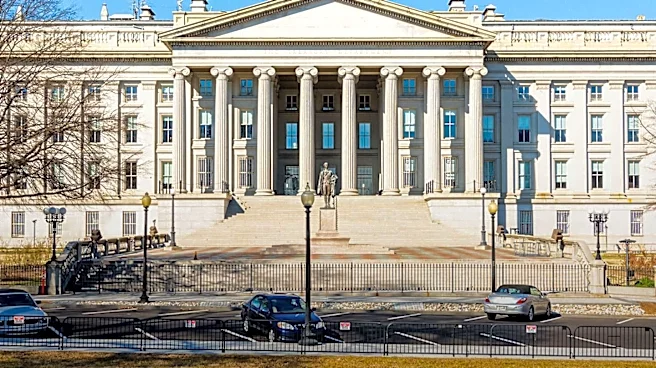
capital gains into these specific areas. The Charles County Government announced these designations, noting that two of the tracts are located in Waldorf's primary growth area, encompassing parts of the Waldorf Urban Redevelopment Corridor. The third tract covers the Newburg-Morgantown area, including the former Morgantown Generating Station site on the Potomac River. This program does not directly fund projects but makes private investments within these zones eligible for tax advantages, with the actual investment decisions resting with investors, developers, and property owners. The federal program, which was rewritten by Congress in 2025, requires governors to submit new sets of tracts, and Maryland's Governor Wes Moore submitted 114 to the U.S. Treasury, which officially released the designations on November 5. These new zones will remain in effect for 10 years.
Why It's Important?
The designation of these areas as Opportunity Zones is a significant economic development tool for Charles County, aiming to attract private capital for a wide range of investments. For investors, the program offers substantial tax benefits: those who sell assets at a profit can roll their gains into a Qualified Opportunity Fund, which must maintain at least 90% of its holdings within designated zones. This allows investors to defer the tax bill on their original gain and, by holding the new investment for at least 10 years, avoid federal taxes on its growth. This initiative is expected to stimulate mixed-use and commercial projects in Waldorf, building on existing infrastructure spending and planning related to the proposed Southern Maryland Rapid Transit corridor. In Newburg-Morgantown, the former power plant property could support new industrial uses and advanced manufacturing, potentially attracting suppliers, related industries, and tourism businesses. The county's Economic Development Department plans to actively market these areas to state agencies, developers, and site selectors, aiming to advance redevelopment, support existing businesses, encourage entrepreneurship, and attract investment across the county.
What's Next?
The new Opportunity Zone designations will officially take effect on January 1, 2027, and will last for 10 years. Charles County's Economic Development Department is encouraging businesses, property owners, developers, and investors to contact them for more information before the new zones become active. The county expects these designations to facilitate significant private investment, particularly in the Waldorf Urban Redevelopment Corridor and the Newburg-Morgantown area. The success of these zones will depend on the willingness of investors and developers to capitalize on the tax incentives and pursue projects within the designated tracts. The county aims to leverage these zones to support its ongoing efforts in redevelopment, business growth, and attracting new industries. The program's effectiveness will be monitored over the next decade to assess its impact on economic growth and job creation in these specific Charles County communities.
Beyond the Headlines
The federal Opportunity Zone program, while designed to spur investment in economically distressed areas, has faced scrutiny in the past. The 2025 rewrite by Congress aimed to address some of these criticisms, particularly concerns that the initial round of zones sometimes benefited areas already experiencing development. The current designations in Charles County reflect a more stringent selection process, with only three of five eligible tracts making the final list. This highlights a broader national effort to ensure that these tax incentives genuinely direct capital to areas most in need of economic revitalization. The long-term implications extend beyond immediate investment, potentially leading to significant demographic and economic shifts in these communities. The balance between attracting capital and ensuring equitable development for existing residents will be a key challenge, as increased investment can sometimes lead to gentrification and displacement if not managed carefully. The program's success will ultimately be measured not just by the volume of investment, but by its tangible benefits to the local populations and the sustainable growth it fosters.