




What's Happening?
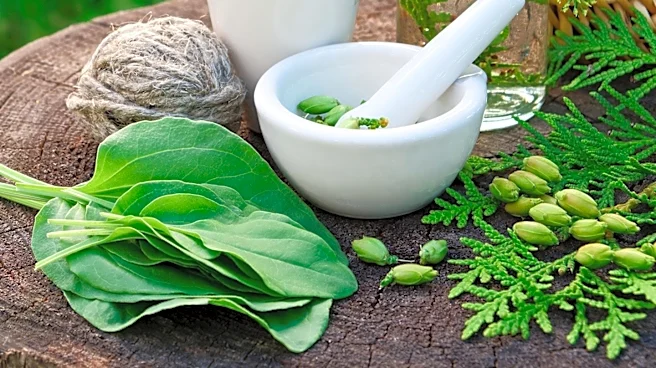
Chanca piedra, botanically known as Phyllanthus niruri, is being examined for its traditional uses in women's wellness practices, particularly in South America and Southeast Asia. Historically, it has been used as a mild herbal tea, alongside other botanicals,
and as part of daily self-care routines during various life stages such as menstruation, childbearing, and menopause. The plant, whose name translates to 'stone breaker,' is often sought for holistic support, including balanced fluid intake, general comfort, relaxation, and a sense of tradition. While these uses are rooted in cultural perspectives and anecdotal evidence rather than clinical outcomes, modern preparations like teas, tinctures, and capsules are available. Herbal Goodness emphasizes sustainable sourcing and manufacturing transparency for its chanca piedra products, such as Stone Breaker Chanca Piedra 15X Liquid and capsules. The article highlights the importance of understanding traditional uses, common preparations, and safety considerations for women considering this herb.
Why It's Important?
The exploration of chanca piedra's traditional uses for women's wellness is significant as it sheds light on herbal options that complement holistic lifestyles. For women seeking natural approaches to self-care, understanding the historical context and various forms of chanca piedra can empower them to make informed choices. The availability of different preparations—teas for daily enjoyment, tinctures for precise dosing, and capsules for convenience—caters to diverse preferences and routines. However, it is crucial to note that current scientific research on chanca piedra is primarily pre-clinical, focusing on plant compounds rather than large-scale human studies, especially not women-specific ones. This distinction is vital for consumers to differentiate between traditional beliefs and scientifically proven benefits. The emphasis on consulting healthcare providers before incorporating any new supplement underscores the importance of personalized medical guidance, particularly for those with existing health conditions or during sensitive life stages like pregnancy and breastfeeding.
What's Next?
As interest in herbal wellness continues to grow, further research into chanca piedra's effects on women's health may emerge, potentially leading to more evidence-based recommendations. Consumers are encouraged to engage in thoughtful conversations with their healthcare providers regarding the integration of chanca piedra into their self-care routines, discussing potential interactions with medications, existing health conditions, and appropriate dosages. The market for chanca piedra products is likely to continue offering various forms, with reputable brands emphasizing quality assurance through third-party testing and transparent ingredient sourcing. Women considering chanca piedra should monitor their body's response, adjust usage as needed, and stay informed about any new research or safety guidelines. The ongoing dialogue between traditional practices and scientific inquiry will shape the future understanding and application of botanicals like chanca piedra in holistic health.
Beyond the Headlines
The discussion around chanca piedra extends beyond its immediate uses, touching upon broader themes of cultural heritage, the integration of traditional medicine with modern healthcare, and the evolving landscape of wellness. The reliance on anecdotal evidence in traditional practices highlights a gap that scientific research aims to fill, yet it also underscores the value of long-standing cultural knowledge. For women, the appeal of chanca piedra often lies in its perceived gentle nature and its connection to time-honored self-care rituals, offering a sense of mindfulness and connection to natural remedies. This trend reflects a larger societal movement towards holistic health and personalized wellness, where individuals seek to understand and utilize natural resources for their well-being. The ethical implications of sourcing and manufacturing herbal products, particularly regarding sustainability and transparency, also come to the forefront, encouraging consumers to support brands that prioritize responsible practices. Ultimately, the story of chanca piedra in women's wellness is a microcosm of the larger conversation about how ancient wisdom can inform contemporary health choices.