








What's Happening?
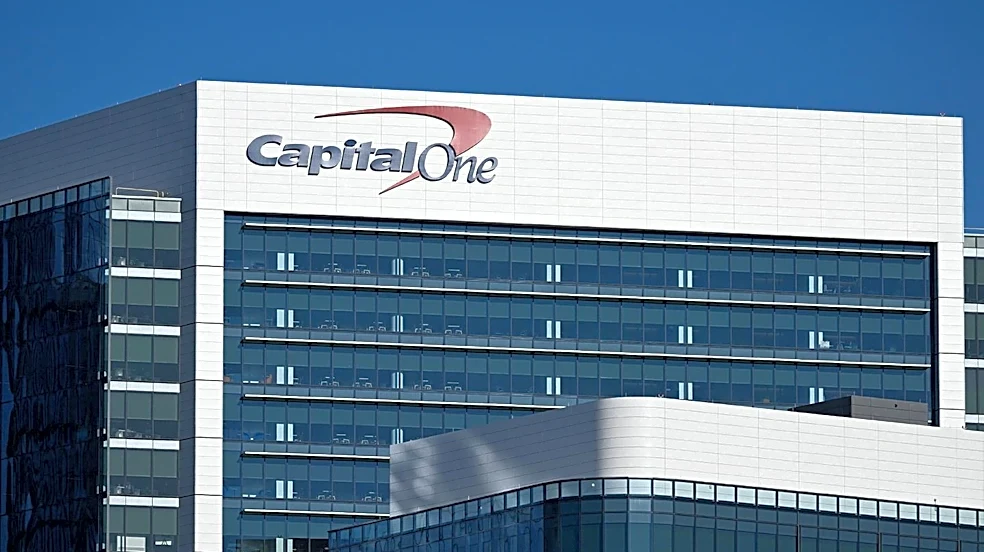
Capital One 360 Checking is highlighted as a prominent option for consumers seeking checking accounts without monthly maintenance fees or minimum balance requirements. This account allows customers to manage their finances online and through a mobile
app, facilitating everyday banking activities such as direct deposits and debit card purchases. A key feature is access to a fee-free ATM network, which includes Capital One, MoneyPass, and Allpoint locations, though fees may apply for ATMs outside this network. The account is designed for individuals who prefer digital banking and require convenient ATM access without incurring recurring charges. Other banks offering similar no-fee checking options include SoFi Checking and Savings, Ally Spending Account, and Chime Checking Account, each with specific features catering to different customer preferences, such as combined checking and savings or mobile-first banking experiences. While these accounts advertise no monthly fees, consumers are advised to review the full fee schedule for potential charges on services like out-of-network ATM withdrawals, wire transfers, or paper checks.
Why It's Important?
The availability of no-fee checking accounts like Capital One 360 Checking is significant for U.S. consumers, particularly those looking to minimize banking costs. Monthly maintenance fees and minimum balance requirements can be barriers for many, especially individuals with limited savings or those new to banking. By eliminating these common charges, Capital One and similar institutions make financial services more accessible and affordable. This trend encourages greater financial inclusion and helps consumers retain more of their income. The emphasis on digital banking and extensive ATM networks also reflects a broader shift in the financial industry towards convenience and technology-driven solutions. For consumers, understanding the nuances of 'no-fee' accounts, including potential charges for specific services, is crucial to avoid unexpected costs and make informed decisions that align with their banking habits and financial goals.
What's Next?
Consumers considering a no-fee checking account should thoroughly compare the offerings from various banks, including Capital One 360 Checking, SoFi, Ally, and Chime. The next step involves reviewing each institution's current disclosures, fee schedules, and terms to understand all potential charges, such as those for out-of-network ATM withdrawals, overdrafts, wire transfers, or cash deposits. Individuals should assess their banking needs, including the frequency of ATM use, cash deposits, and preference for digital versus in-person services, to determine the most suitable account. The Consumer Financial Protection Bureau (CFPB) advises against relying solely on marketing descriptions and recommends examining the full fee schedule. This due diligence will ensure that the chosen account truly meets their financial requirements without hidden costs, promoting more transparent and cost-effective banking experiences.
Beyond the Headlines
The proliferation of no-fee checking accounts signifies a broader evolution in the U.S. banking landscape, driven by consumer demand for transparency and lower costs, as well as increased competition from online-only banks and financial technology companies. This shift challenges traditional banking models that often rely on various fees for revenue. The move towards digital-first banking, exemplified by Capital One 360 Checking, also raises questions about the future of physical bank branches and the accessibility of banking services for populations less comfortable with technology. Furthermore, while 'no-fee' accounts address one aspect of financial burden, the underlying issue of financial literacy remains critical. Consumers need to understand not just monthly fees, but also the implications of overdraft policies, ATM networks, and other service charges to truly benefit from these offerings and avoid falling into debt traps. This trend could lead to a more equitable financial system, provided consumers are adequately informed and empowered to navigate the complexities of modern banking.