






What's Happening?
As winter approaches with shorter days and colder temperatures, endurance coaches Brant Stachel, Danielle Kroot, DPT, and Andrea Dell, RRCA-certified run coach, are offering guidance to runners on maintaining fitness without relying on treadmills. They
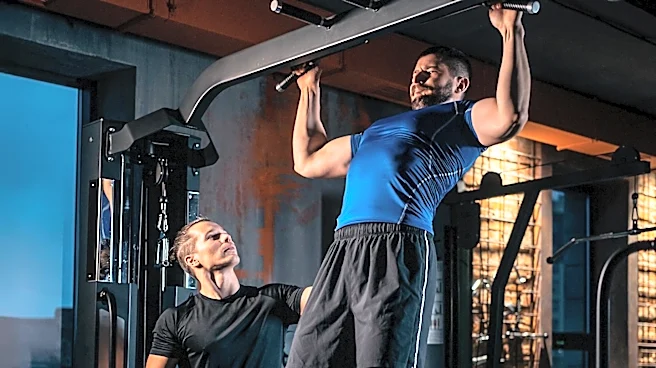
emphasize that consistent aerobic fitness throughout the year prevents the need to rebuild from scratch for race training. The experts suggest that even one to two days of running per week can prevent significant fitness loss, noting that it typically takes six weeks of consecutive low-mileage to lose fitness gains. Key strategies include working on weaknesses, focusing on strength training targeting major muscle groups like calves, glutes, and quads, and breaking up longer workouts into varied segments. Cross-training with activities like swimming, elliptical, or cycling is also recommended to prepare for days when outdoor running is not feasible. For outdoor winter runs, tips include finding plowed routes, investing in appropriate gear like fleece-lined tights and microspikes, and viewing the off-season as a challenge.
Why It's Important?
This guidance is crucial for U.S. runners, particularly those in regions experiencing harsh winters, as it provides actionable strategies to sustain physical health and athletic performance during a challenging season. By offering alternatives to treadmills and emphasizing strength training and cross-training, the advice helps prevent injuries and maintains a runner's base fitness, which is vital for a successful spring racing season. The focus on consistent, adaptable training rather than intense, unvaried routines can lead to better long-term adherence and overall well-being for a significant portion of the athletic population. Furthermore, the emphasis on proper gear and finding safe outdoor routes addresses practical concerns, promoting safety and enjoyment in winter running. This approach can reduce the financial burden of gym memberships for those who prefer outdoor activities or have limited access to indoor facilities.
What's Next?
Runners are encouraged to implement these strategies immediately to prepare for the winter season. This involves assessing individual fitness weaknesses, incorporating strength training into their routines, and exploring cross-training options. They should also consider investing in suitable winter running gear and identifying local running groups or plowed routes for outdoor activities. The advice suggests a gradual increase in activity and a focus on consistency over intensity. As winter progresses, runners will likely adapt their training schedules based on weather conditions and personal preferences, potentially leading to a more resilient and well-rounded athletic community by spring. The experts anticipate that those who follow these habits will experience a more rewarding racing season.
Beyond the Headlines
The recommendations highlight a broader shift in athletic training philosophy, moving beyond single-sport specificity to embrace holistic fitness. By advocating for strength training and cross-training, the experts underscore the importance of injury prevention and overall physical resilience, which benefits not just competitive runners but anyone engaged in regular physical activity. This approach also touches upon the psychological aspect of training, acknowledging that varied workouts can combat mental fatigue, as noted by Stachel regarding the 'mentally numbing' effect of long treadmill runs. The emphasis on finding enjoyable and repeatable workouts reflects a growing understanding that sustainability and mental well-being are as critical as physical exertion in achieving long-term fitness goals. This holistic view could influence how fitness programs are designed and promoted across the U.S., encouraging more diverse and adaptable training regimens.