







What's Happening?
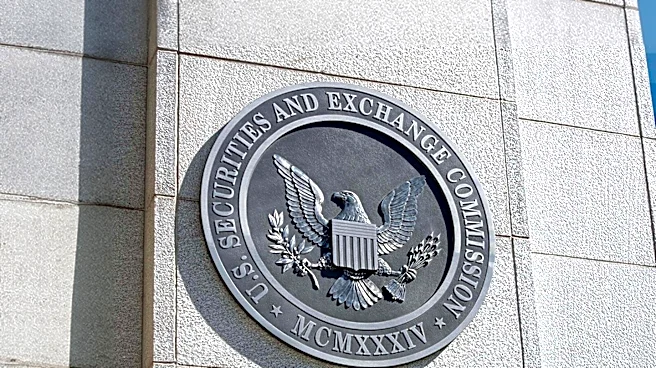
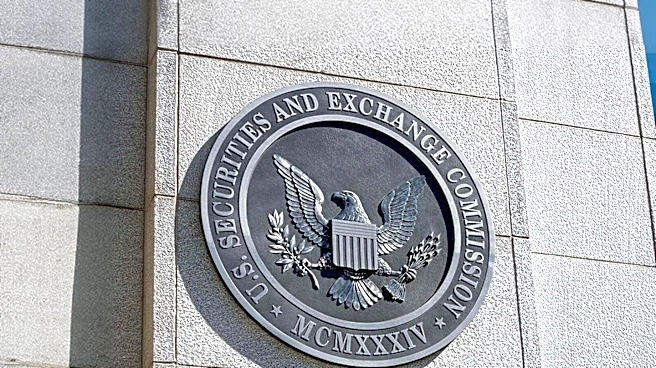
The Securities and Exchange Commission (SEC) has taken settled enforcement action against registered investment adviser TAG Associates LLC, citing violations of Rule 201 of Regulation S-ID, also known as the Identity Theft Red Flags Rule. The SEC found
that TAG failed to adequately implement and update its written Identity Theft Prevention Program (ITPP) over a period of nearly a decade. This occurred despite the firm encountering numerous attempted identity theft incidents and being aware of evolving fraud risks. Notably, the SEC's order did not identify any successful identity theft, fraudulent transfers, or resulting client losses. In fact, existing verification procedures at TAG had prevented several attempted frauds, including an unauthorized wire transfer. However, the SEC concluded that TAG violated Reg S-ID by failing to periodically review its ITPP, assess whether identified risks warranted updates, and provide appropriate senior management oversight. As a result, TAG consented to a censure, a cease-and-desist order, and a $175,000 civil penalty, which also resolved separate violations of the Advisers Act Custody Rule.
Why It's Important?
This enforcement action by the SEC underscores that financial institutions can face significant penalties for deficiencies in their identity theft prevention programs, even in the absence of successful fraud or direct customer harm. It highlights the SEC's focus on the proactive maintenance and oversight of ITPPs, rather than solely on the outcomes of attempted fraud. For SEC-registered financial institutions and creditors with 'covered accounts,' this case reinforces the critical need to regularly review and update their ITPPs in response to evolving threats and attempted fraud incidents. The settlement illustrates that inadequate program administration, such as a failure to conduct periodic reviews or ensure senior management oversight, can serve as an 'enforcement hook' for regulators, especially when combined with other substantive violations. This could lead to increased scrutiny of ITPP compliance across the financial sector, prompting firms to re-evaluate their internal processes and documentation related to identity theft prevention.
What's Next?
Following this SEC action, other financial institutions are likely to increase their focus on the periodic review, updating, and senior management oversight of their Identity Theft Prevention Programs (ITPPs). Firms will need to ensure that their ITPPs are not merely static documents but are actively managed and adapted to new identity theft risks. This may involve more frequent internal assessments, enhanced documentation of risk evaluations, and clearer reporting structures to boards or senior management regarding ITPP effectiveness and incidents. Compliance consultants may also see an increased demand for services specifically addressing Reg S-ID requirements, moving beyond general compliance reviews to targeted ITPP evaluations. The SEC's stance suggests a continued emphasis on preventative measures and robust program administration, indicating that future enforcement actions could target similar procedural shortcomings, even if client harm is not directly demonstrated.
Beyond the Headlines
The SEC's decision to penalize TAG Associates LLC, despite the absence of successful identity theft or client harm, signals a broader regulatory shift towards emphasizing proactive compliance and robust internal controls. This approach moves beyond merely reacting to incidents and instead focuses on the systemic integrity of prevention programs. It highlights a legal and ethical expectation that financial institutions not only prevent fraud but also demonstrate due diligence in maintaining and evolving their protective frameworks. This could lead to a cultural shift within firms, where compliance with regulations like Reg S-ID is viewed not just as a checklist item, but as an ongoing, dynamic process requiring continuous adaptation and senior-level engagement. The case also implicitly raises questions about the balance between regulatory burden and actual risk, as firms must now invest significantly in ITPP maintenance even when their existing, un-updated controls successfully thwart attacks.